



Planting and Growing Skimmia laureola subsp. lancasteri

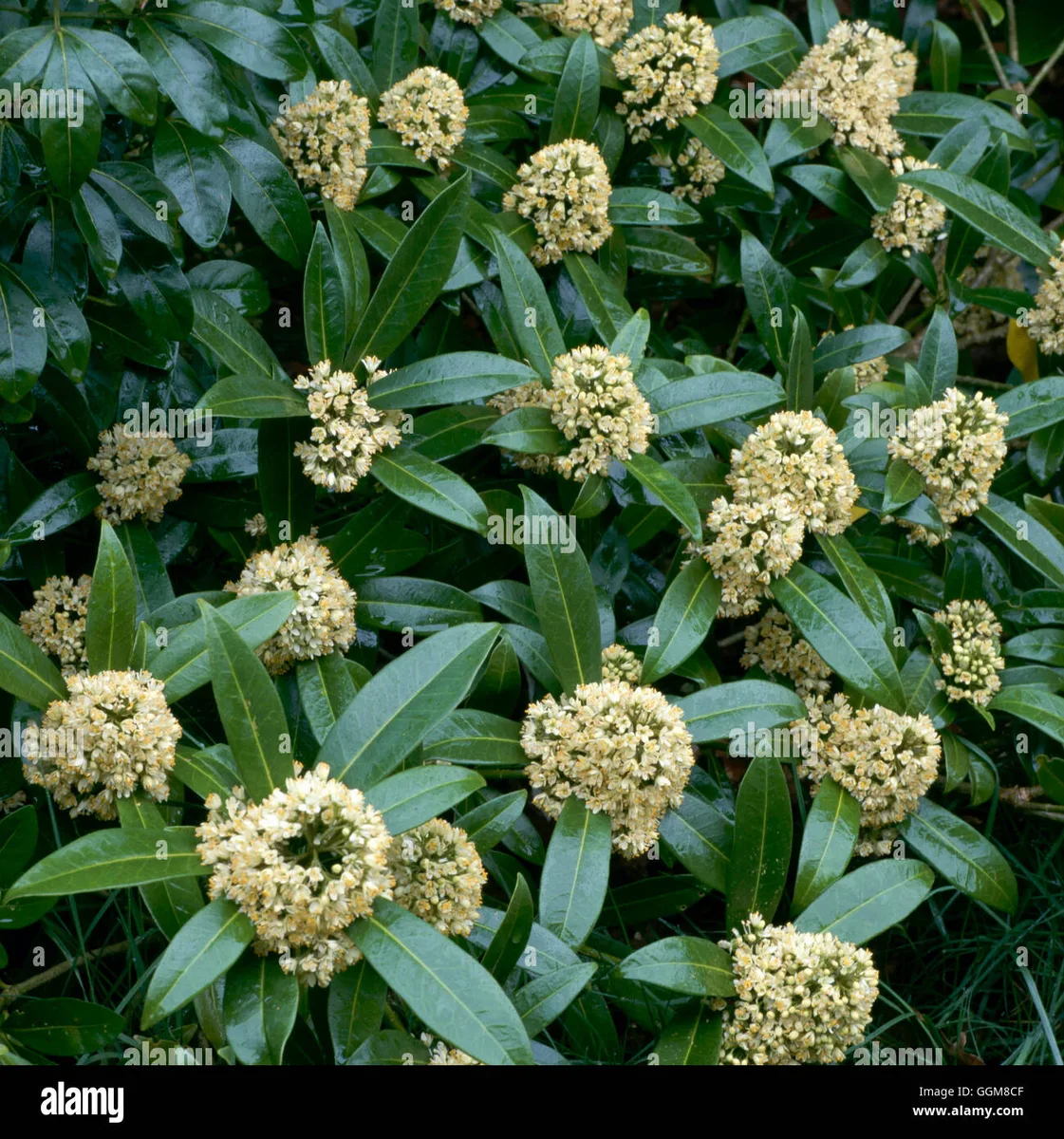
| Care difficulty | 2 / 5 |
|---|---|
| Watering schedule | Deep watering during dry spells, allowing slight surface drying between soakings |
| Sunlight requirements | Full shade · Partial shade |
| Ideal temperature | Information to be completed |
| Soil type | Chalk · Clay · Loam · Sand |
| Soil pH | Acid · Alkaline · Neutral |
| Soil moisture | Moist but well drained |
| Fertilizing | Balanced shrub or tree feed once each early spring |
| Toxicity | Fruit are ornamental, not to be eaten. Wear gloves and other protective equipment when handling] |
How to Water Skimmia laureola subsp. lancasteri?
Deep watering during dry spells, allowing slight surface drying between soakings
Learn more →What Are the Sunlight Requirements for Skimmia laureola subsp. lancasteri?
Full shade · Partial shade
Learn more →What Soil Is Best for Skimmia laureola subsp. lancasteri?
- Soil type
- Chalk · Clay · Loam · Sand
- Soil pH
- Acid · Alkaline · Neutral
What Are the Moisture Requirements for Skimmia laureola subsp. lancasteri?
Moist but well drained
Learn more →How to Fertilize Skimmia laureola subsp. lancasteri?

Balanced shrub or tree feed once each early spring
Learn more →How to Prune Skimmia laureola subsp. lancasteri?

If needed, Usually little pruning is needed. Lightly shape if necessary, removing dead, damaged or diseased shoots. Prune after flowering.
Learn more →How to Propagate Skimmia laureola subsp. lancasteri?

Propagate by seed, sown in containers in a cold frame in autumn, or by semi-ripe cuttings in late summer
Learn more →How to Plant Skimmia laureola subsp. lancasteri?
Grow in moderately fertile, moist but well drained soil, in light to full shade; prefers acidic to neutral soils but will tolerate alkaline soils where there is plenty of humus. Plants may become chlorotic on poor, dry soil or in too much sun. Plants in this species are usually either male or female, plant both together to get berries
Learn more →Common Pests & Diseases

Diseases
May be susceptible to Phytophthora and honey fungus
Pests
May be susceptible to scale insects, and to vine weevil when grown in containers
Explore the plant health library →The Toxicity of Skimmia laureola subsp. lancasteri
Fruit are ornamental, not to be eaten. Wear gloves and other protective equipment when handling]