



Planting and Growing sentry palm


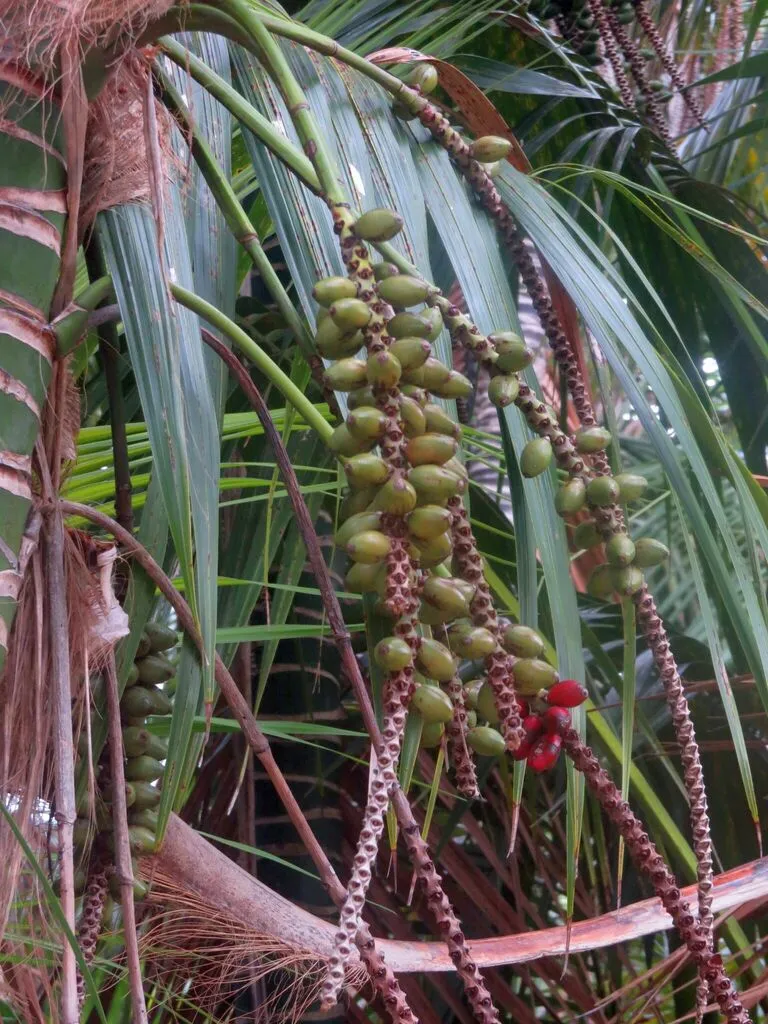

| Care difficulty | 3 / 5 |
|---|---|
| Watering schedule | Keep soil evenly moist, but not waterlogged |
| Sunlight requirements | Partial shade |
| Ideal temperature | 18 – 27 °C |
| Soil type | Loam |
| Soil pH | Acid · Neutral |
| Soil moisture | Well drained |
| Fertilizing | Monthly during growing season |
| Toxicity | Information to be completed |
How to Water sentry palm?
Originating from the humid understory of Lord Howe Island, kentia palm thrives in environments that mimic its native tropical rainforest conditions with consistent moisture. It exhibits a preference for evenly moist soil and has moderate drought tolerance once established. For optimal health, kentia palm should be watered once every 1-2 weeks, allowing the topsoil to dry out slightly between waterings. As an indoor plant, kentia palm benefits greatly from higher humidity levels which can be maintained through regular misting or a pebble tray, especially during the drier winter months when indoor heating can reduce ambient moisture.
Learn more →What Are the Sunlight Requirements for sentry palm?
Kentia palm thrives in conditions that provide full sun to partial shade. The optimal light intensity ensures robust growth and a rich, green leaf coloration. While accommodating partial sun, kentia palm may experience reduced growth rates and potential leaf yellowing if it deviates from ideal exposure. Being versatile, kentia palm adapts to less than optimal lighting by developing broader leaves to maximize light absorption. When grown indoors, this palm prefers bright, filtered light, often near a window with indirect sunlight. Outdoors, kentia palm should be placed in a spot where it can receive a balance of sunlight and shade throughout the day.
Learn more →What Is the Ideal Temperature Range for sentry palm?

Kentia palm exhibits impressive resilience to temperature variations, tolerating a range from 5°C (41°F) to 45°C (113°F). Although adaptable, kentia palm can suffer from frost damage if exposed to temperatures below 5°C, showing signs like browning leaves. Overheating beyond 45°C may cause leaf scorch and dehydration. To protect kentia palm, during cold spells, shelter it indoors or use frost covers, and in heat waves, provide ample water and shade. This temperature tolerance means kentia palm can thrive in diverse environments but requires vigilance in extreme weather conditions to maintain optimal health.
Learn more →What Soil Is Best for sentry palm?
Kentia palm prefers well-drained soil to prevent root rot. A suitable soil mix includes perlite and peat for aeration and moisture retention. If peat is unavailable, coconut coir is an alternative. The mix should include 50% potting mix, 30% perlite, and 20% peat or coir. Incorporate a slow-release palm fertilizer occasionally for optimal growth, as per the product's instructions. Ensure pots have drainage holes to avoid water-logging.
- Soil type
- Loam
- Soil pH
- Acid · Neutral
What Are the Moisture Requirements for sentry palm?
Well drained
Learn more →How to Fertilize sentry palm?

For optimal growth, kentia palm benefits from balanced fertilizer during growing season and high-nitrogen formulations outside this period. Fertilize monthly in spring/summer, every six to eight weeks in fall/winter, avoiding over-fertilization. Use slow-release granules or liquid fertilizer at half-strength to bolster kentia palm's vitality and foliage production. Seasons and growth phases dictate needs; young kentia palms require consistent feeding, while mature specimens need less. Always water before applying fertilizer to prevent root burn and ensure nutrient absorption.
Learn more →How to Prune sentry palm?

Kentia palm, recognizable for its elegant arching fronds, benefits from pruning during early spring. Remove dead or damaged fronds at their base using clean, sharp tools to maintain plant health and aesthetic appeal. Avoid excessive pruning; cutting green fronds can harm the plant. Regularly inspect for pest infestations and remove affected areas promptly. Pruning not only improves appearance but also encourages new growth and prevents disease.
Learn more →How to Propagate sentry palm?

The kentia palm typically propagates through sowing in Spring. It has a moderate level of propagation difficulty, and successful growth is signaled by new leaf emergence. Adequate moisture and warmth are crucial during this early stage.
Learn more →How to Transplant sentry palm?
The prime time for transplanting kentia palm is during the early to mid-spring, when the warmth and sunshine encourage robust growth. Kentia palm thrives in a well-draining location with filtered sunlight. Gently loosen the roots prior to transplanting for a seamless transition to its new home.
Learn more →How to Care for sentry palm in Winter?

Kentia palm hails from the balmy climate of Lord Howe Island, adroitly adapting to cooler seasons through reduced active growth. While relatively cold-tolerant, ensure kentia palm stays in well-drained soil and maintain a room temperature of 55 degrees Fahrenheit during winter. Keep light consistent but diffused, minimize watering, and mist leaves to replicate its native humid conditions.
Learn more →How to Plant sentry palm?
Indoors-potted: In the cozy corner of your home, kentia palm thrives with less fuss, subtly reminding you of its tropical heritage through its elegant fronds. Outdoors-potted: When housed in a pot on your patio, kentia palm becomes an opulent statement piece, embodying resilience and grace against the elements. Outdoors-in the ground: Planted in the garden soil, kentia palm stands as a testament to grandeur, requiring space to showcase its stately silhouette.
Learn more →How to Repot sentry palm?
Repot kentia palm every 1-2 years during spring, when growth is active. As a slow-growing, upright palm, kentia palm requires larger pots to accommodate its height. Use well-drained containers to prevent root rot. Post-repotting, place kentia palm in indirect light and maintain consistent moisture without overwatering, as kentia palm can be sensitive post-transfer. Friendly reminder, gentle care is key for kentia palm's thriving!
Learn more →How to Harvest sentry palm?

Information to be completed
Learn more →Common Pests & Diseases

Diseases
Generally disease free
Pests
Can get glasshouse red spider mite, thrips and scale insects under glass
Explore the plant health library →The Toxicity of sentry palm
Information to be completed