



Planting and Growing wax plant

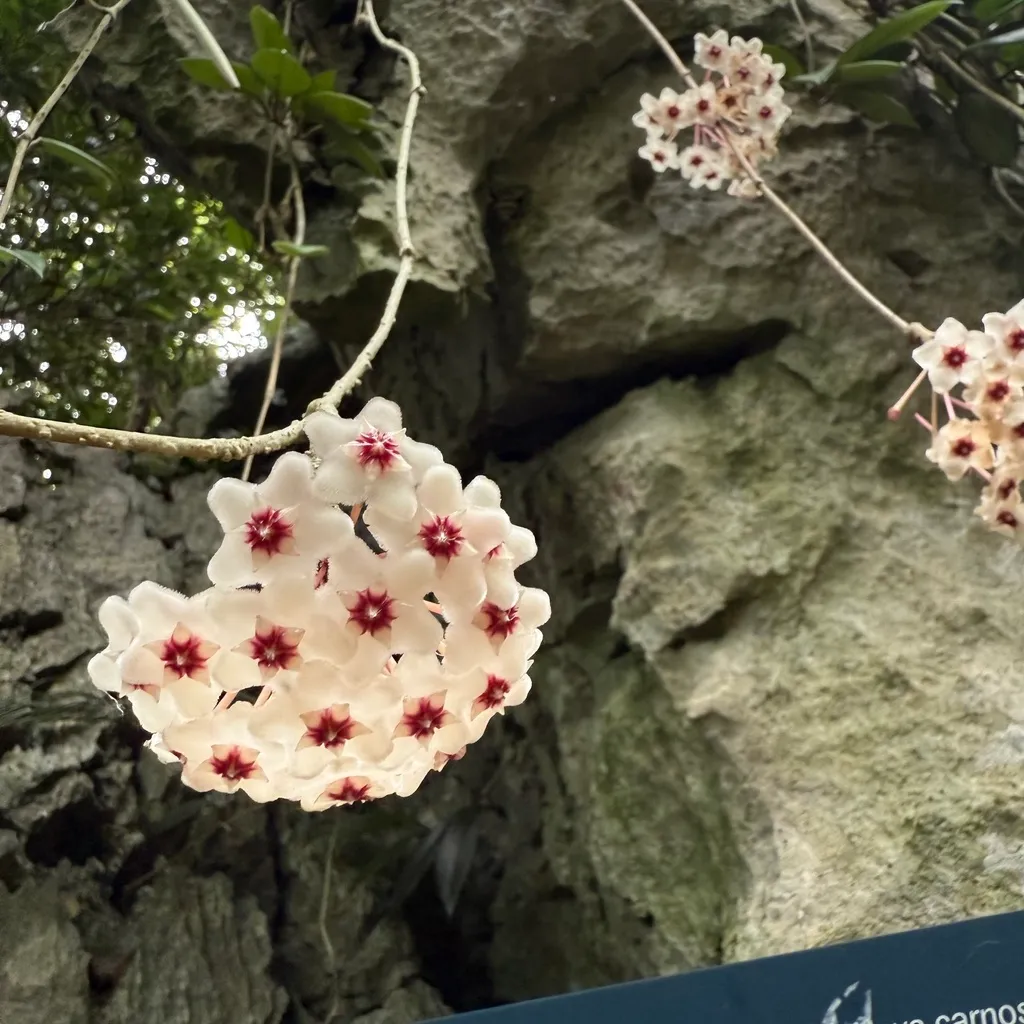

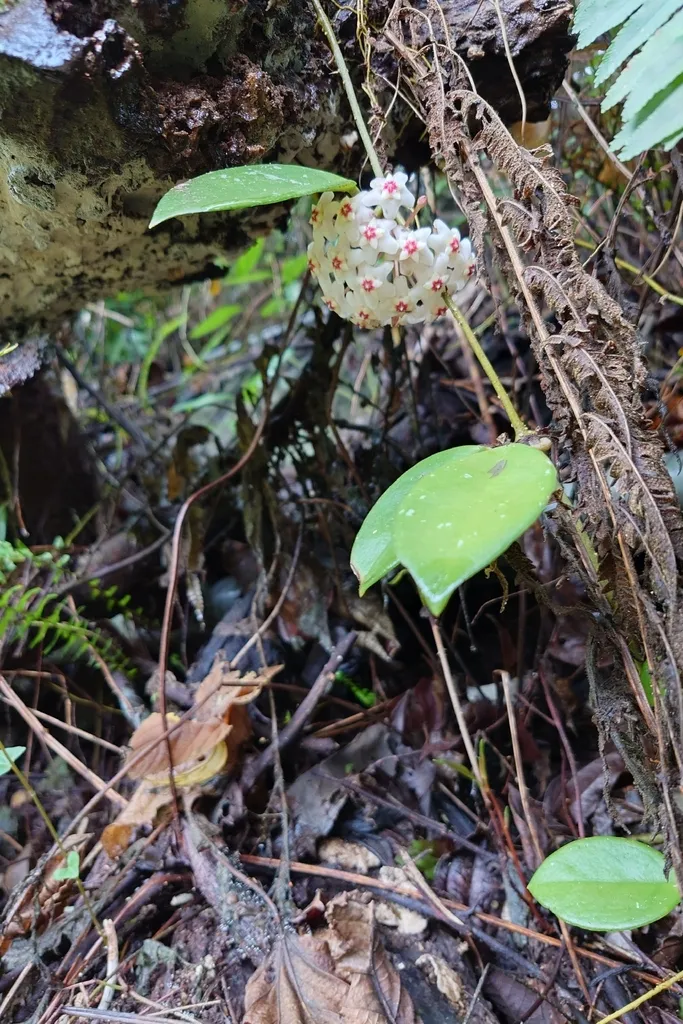
| Care difficulty | 2 / 5 |
|---|---|
| Watering schedule | Water thoroughly then let soil dry out completely |
| Sunlight requirements | Full sun |
| Ideal temperature | 18 – 27 °C |
| Soil type | Chalk · Loam · Sand |
| Soil pH | Acid · Alkaline · Neutral |
| Soil moisture | Well drained |
| Fertilizing | Very dilute low nitrogen feed during warm growth only |
| Toxicity | Information to be completed |
How to Water wax plant?
Porcelainflower thrives in high humidity environments, reminiscent of its origins in tropical Asia. This species is known for its drought tolerance and requires a delicate balance of moisture to prevent root rot. Watering should be done sparingly, roughly once every three weeks, ensuring the soil has dried out between sessions. Typically grown indoors due to its preference for stable conditions, porcelainflower benefits from increased air moisture which can be achieved by regular misting or using a pebble tray with water to enhance the immediate environment's humidity.
Learn more →What Are the Sunlight Requirements for wax plant?
Porcelainflower thrives in bright, indirect light which facilitates vigorous growth and bloom production. Optimal lighting involves placing porcelainflower in a position that receives morning sun and afternoon shade or using a light-diffusing curtain when grown indoors to prevent leaf scorch from intense rays. Porcelainflower can tolerate low light conditions, but insufficient light may lead to leggy stems and reduced flowering. Porcelainflower uniquely adapts to differing light exposures by altering leaf thickness and color to optimize photosynthesis. Indoors, east or north-facing windows are ideal, while outdoors, dappled light under trees or a porch is recommended.
Learn more →What Is the Ideal Temperature Range for wax plant?

The plant 'porcelainflower' demonstrates remarkable adaptability to varying temperatures, withstanding cold down to 5℃ (41℉) and heat up to 45℃ (113℉). This resilience makes it suitable for diverse climates but requires specific care adjustments. In colder environments, 'porcelainflower' may exhibit wilting or leaf discoloration; it is crucial to provide protective measures like frost covers or indoor relocation. During heat extremes, symptoms such as leaf burn or dehydration can occur; ensuring adequate hydration and shading is vital. Understanding and managing these conditions help maintain the plant's health and aesthetic appeal.
Learn more →What Soil Is Best for wax plant?
The optimum soil for porcelainflower is fertile, well-draining, and aerated - anything heavy, such as clay, will lead to waterlogging. With porcelainflower, this can quickly cause root rot. The ideal pH value of the soil ranges between 6.1-7.5 (from slightly acidic to neutral), but this depends on the variant, so always check the requirements for your specific plant.
- Soil type
- Chalk · Loam · Sand
- Soil pH
- Acid · Alkaline · Neutral
What Are the Moisture Requirements for wax plant?
Well drained
Learn more →How to Fertilize wax plant?

To maintain porcelainflower's vigor, utilize a Succulents and Cacti Food bi-weekly during growth phases, spring to fall, at half strength. Fertilization enriches soil nutrients, fostering robust growth and vibrant blooms. Reduce feeding to monthly in winter. Over-fertilizing can damage roots; less is more. Seasonal adjustments align with porcelainflower's growth cycle. Use well-draining pots to prevent nutrient buildup, ensuring a healthy feeding regimen.
Learn more →How to Prune wax plant?

Unlike many plants, there is no need to prune your porcelainflower at all. New foliage will grow from the ends of the plant's tendrils, leading to new flowers developing if the conditions are ideal. The porcelainflower does not respond well to severe pruning, but you can lightly trim it to control its size, or to cut away any dead growth. Do this in early spring, just as your plant enters into the growing season. Any pruning outside of early spring is highly discouraged.
Learn more →How to Propagate wax plant?

Belonging to the Asclepiadaceae family, porcelainflower is typically propagated through cuttings, with stem sections being the most effective. When taking cuttings, it's important to use a sharp, sterilized tool to prevent disease transmission. A cut of 4-6 inches with two or more leaves is ideal. The bottom leaves should be removed, and the cut end allowed to slightly dry, which promotes better root development. It's recommended to dip the cutting in rooting hormone before placing it in a well-draining soil mix. Consistent moisture and warmth encourage rooting, with the soil kept damp but not waterlogged to avoid rot.
Learn more →How to Transplant wax plant?
To ensure a thriving porcelainflower, transplant during mid-spring to late spring or mid-fall to late fall, as these seasons offer ideal conditions for root growth. Select a well-drained location with bright, indirect sunlight. Remember to handle the delicate roots with care during the transplant process.
Learn more →How to Care for wax plant in Winter?

Porcelainflower originates from tropical East Asia, naturally experiencing mild winters. This resilient climber is adapted to lower light levels and reduced watering. Winter caring tips for porcelainflower include reduced watering, protection from frost, and maintenance of ambient temperatures. Using a pebble tray helps sustain humidity levels, mimicking its native warm and humid climate. Adapting these protocols ensures porcelainflower thrives, displaying its signature porcelain-like blooms even during cold months.
Learn more →How to Plant wax plant?
Indoors-potted: Thriving indoors, porcelainflower appreciates a stable environment where its vining nature can be showcased through creative support structures. Outdoors-potted: Porcelainflower, when potted outdoors, prefers a sheltered spot to protect its delicate foliage from harsh elements. Outdoors-in the ground: In-ground planting of porcelainflower is not common due to its need for controlled conditions; caution with overexposure to direct elements.
Learn more →How to Repot wax plant?
Repot porcelainflower, a charming climber, preferably in spring when growth resumes. Typically needing a new pot every 2 years, select a container 1-2 inches larger to accommodate its expanding root system. Always opt for well-draining pots to foster healthy development. Post-repotting, porcelainflower thrives with indirect light and consistent moisture. Ensure your advice is accurate using horticultural references, fostering porcelainflower's luscious, waxy flowers.
Learn more →Common Pests & Diseases

Diseases
Generally disease-free
Pests
Prone to mealybugs under glass
Explore the plant health library →Troubleshooting
wax plant: Yellow or soft growth on an epiphytic plant
Moisture trouble in an airy, bark-rich root zone can resemble simple thirst. Check the pot and stems before watering again.
| What you notice | Possible explanation | What to check next |
|---|---|---|
| Leaves or flattened stems look limp and the mix is dry well below the surface | Drying of roots and tissues is possible | Lift the pot and feel moisture deeper in the medium |
| Tissue softens while the pot stays wet; an odor or dark base may appear | Poor aeration or root decay is possible | Check drainage and the firmness of accessible roots without stripping sound roots |
- If the medium is truly dry, water thoroughly and allow excess water to leave the pot.
- If it stays saturated, empty the cachepot, improve airflow and use a more open epiphytic mix when repotting is justified.
- Keep in bright filtered light; monitor fresh growth rather than expecting damaged tissue to turn green again.
A single yellow leaf does not prove root rot; seek local diagnostic help if softness spreads from the stem base.
wax plant: Few flowers or buds fail to open
Watch the pattern, not just one leaf or photograph: flower clusters grow from established spurs. Compare new and old growth before taking action.
| What you notice | Possible explanation | What to check next |
|---|---|---|
| Long shoots or leaves with few flower buds | Insufficient suitable light, wrong seasonal rest or pruning time | Compare seasonal light and any pruning with the plant’s flowering habit |
| Fine webbing, sticky residue, insects or new spreading lesions accompany the symptom | A pest or disease could coexist with environmental stress | Inspect leaf undersides and nearby plants with a hand lens |
- Move gradually to its preferred light and avoid high-nitrogen feeding as a shortcut
- Inspect affected and unaffected tissues side by side, and isolate visible pests if found.
- Reassess new growth after correcting conditions; for rapid spread or widespread collapse, get a local plant diagnostic opinion.
The pattern can have several causes; neither a yellow leaf nor a single picture identifies a pathogen. Keep healthy old flowering spurs; sudden moves after bud formation can trigger bud drop.