



Planting and Growing paniculate hydrangea

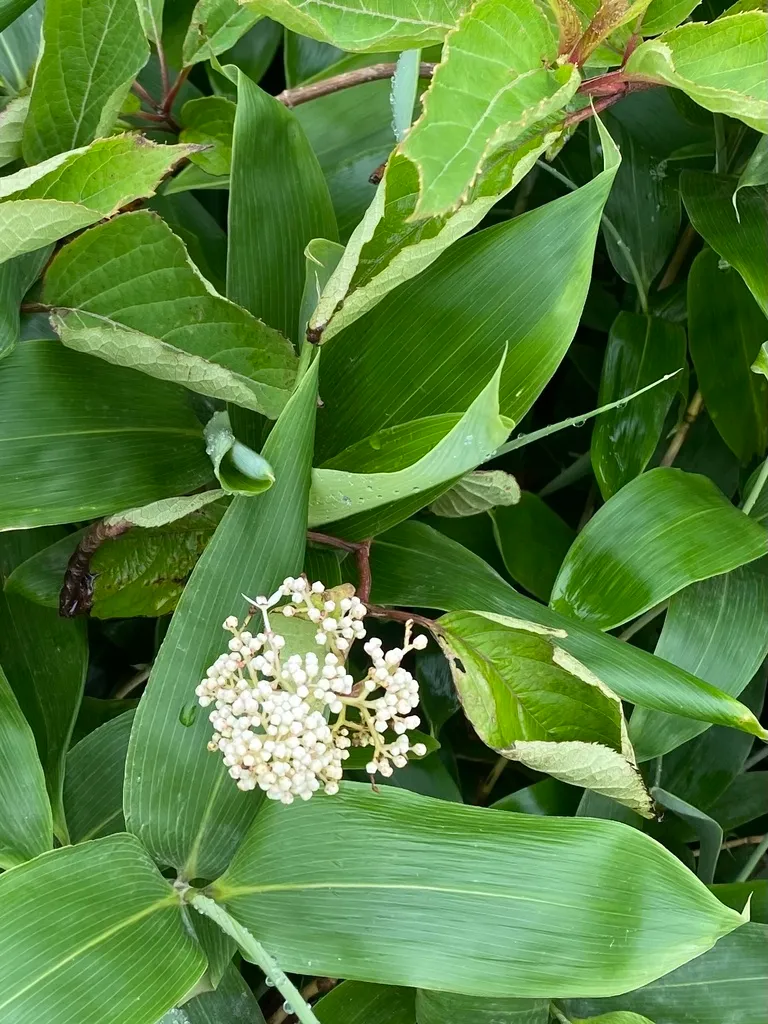
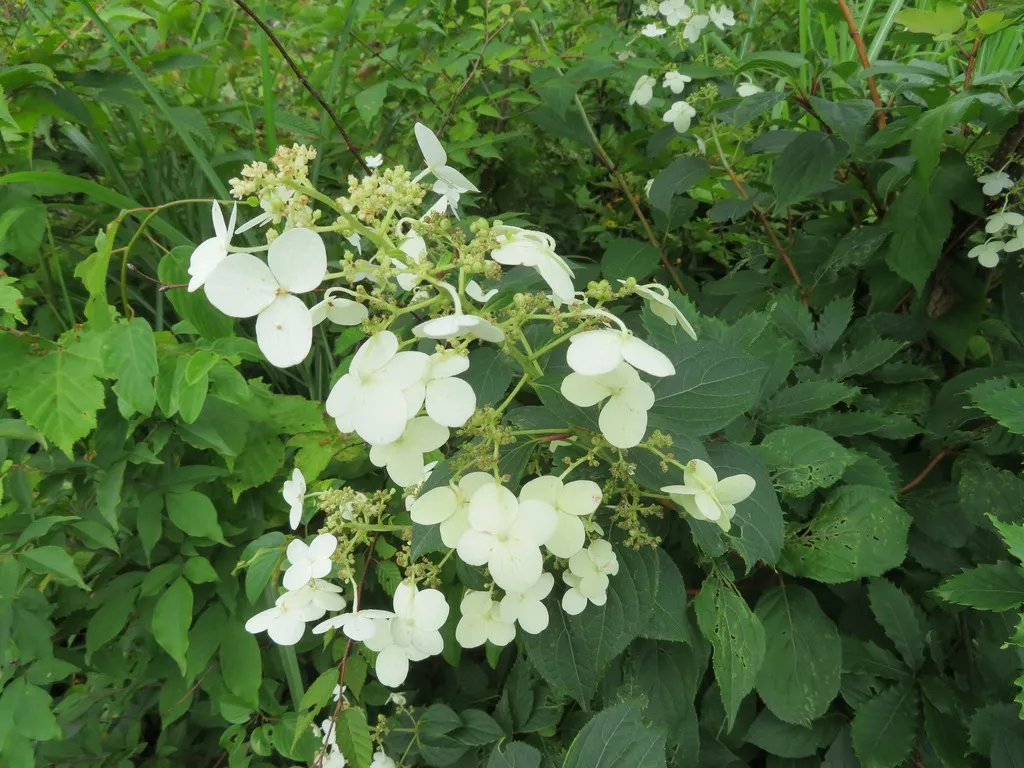
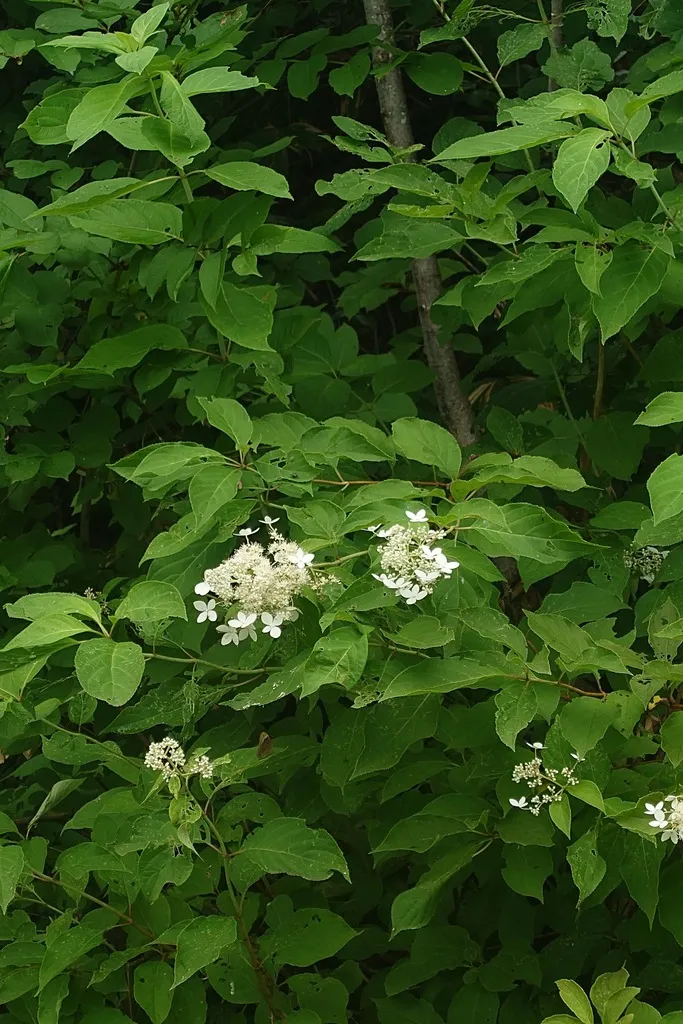
| Care difficulty | 2 / 5 |
|---|---|
| Watering schedule | Consistently moist root zone, add extra water during warm dry weather |
| Sunlight requirements | Full sun · Partial shade |
| Ideal temperature | 15 – 25 °C |
| Soil type | Chalk · Clay · Loam · Sand |
| Soil pH | Acid · Alkaline · Neutral |
| Soil moisture | Moist but well drained · Well drained |
| Fertilizing | Hydrangea shrub feed every four weeks spring through early summer |
| Toxicity | Skin allergen. Wear gloves and other protective equipment when handling |
How to Water paniculate hydrangea?
Originating from regions with moderate climates, panicle hydrangea has adapted to environments where consistent moisture is available but can tolerate short dry spells. Its preference for evenly moist soil reflects its native habitat's conditions. Watering should be adjusted to once every 1-2 weeks, ensuring the soil remains hydrated without becoming waterlogged. Commonly cultivated outdoors due to its robust nature, panicle hydrangea thrives when the soil's moisture levels mimic the soft, dappled rainfall of its natural setting, promoting lush flowering during its growing season.
Learn more →What Are the Sunlight Requirements for paniculate hydrangea?
Panicle hydrangea thrives best under full sun conditions, requiring at least six hours of direct sunlight daily for optimal growth and flowering. However, it exhibits good tolerance to partial sun, adapting well to areas with a mixture of light and dappled shade. In overly shaded environments, panicle hydrangea may experience reduced blooming and weaker growth. Ideally planted in garden locations that receive morning sun and afternoon shade, panicle hydrangea benefits from light that promotes vibrant flower development while minimizing stress during the hottest parts of the day.
Learn more →What Is the Ideal Temperature Range for paniculate hydrangea?

Panicle hydrangea exhibits notable resilience to temperature variations. This hardy plant can survive in cold conditions down to -30℃ (-22℉) and withstands heat up to 35℃ (95℉). Its wide tolerance range makes it versatile for various climates, though protection from extreme temperatures is advised. In excessive cold, panicle hydrangea may show leaf discoloration and dieback. Conversely, overheating can cause wilting and leaf scorching. To counter these, mulch and wrap plants in cold spells and ensure adequate watering and partial shading during heatwaves. Such measures help maintain panicle hydrangea's health and aesthetic value.
Learn more →What Soil Is Best for paniculate hydrangea?
Panicle hydrangea requires soil that is rich in humus and well-drained. It likes moist soil but is not resistant to waterlogging. If the soil is heavy, coarse sand or organic fertilizer can be added to improve draining and permeability. This can also increase the organic matter content. If the soil easily dries out, cover it with organic mulch to keep it moist while maintaining ventilation. The soil pH will affect flower colors of some varieties of bigleaf hydrangea. Panicle hydrangea growing in acidic and aluminum-rich soils will bloom in blue, while in alkaline soils they bloom in pink. An appropriate amount of aluminum sulfate or lime can be added to the soil to adjust the pH if you want to control the flower color.
- Soil type
- Chalk · Clay · Loam · Sand
- Soil pH
- Acid · Alkaline · Neutral
What Are the Moisture Requirements for paniculate hydrangea?
Moist but well drained · Well drained
Learn more →How to Fertilize paniculate hydrangea?

For healthy growth and lush blooms, panicle hydrangea benefits from balanced nutrition fertilizers with equal NPK ratios, applied in early spring and summer. Fertilize once monthly, following package instructions to avoid overfeeding. Be cautious of over-fertilization which can damage roots and affect bloom quality. Adjust frequency and quantity based on growth stage and season, with lighter feeding in fall. Use slow-release formulations for sustained feeding. By keeping the soil nutrient-rich, panicle hydrangea will maintain vigor and stunning flower panicles.
Learn more →How to Prune paniculate hydrangea?

Hydrangeas pruning methods can be divided into two types, based on their different blossoming modes: The first pruning method is suitable for bigleaf hydrangea (excluding 'Endless Summer', a variety that blooms on both old and new branches) and oakleaf hydrangea. These two hydrangeas bloom on old branches and have relatively strict requirements on pruning time, usually only in early summer, and no later than late summer. In late spring, they are blooming or going to bloom, and flower buds start to form or develop from late summer to the following spring. Daily pruning is required to cut off withered flowers and dead, weak, and inward-growing branches. These hydrangeas have a distinctive feature: new branches will form on two buds adjacent to a cut. Buds that are lower then become almost undeveloped or grow poorly due to the lack of apical dominance. Therefore, pay attention to whether there are buds under the cut, as well as the height of branches and directions of buds. They have opposite branches, so the directions of reserved buds should be decided by the specific shape of the plant. Additionally, when plants are too large, they can be pruned heavily in summer. The part above the ground should be kept at about 15 cm high. This way, there will be a new, small plant at the end of the year, and it will not affect blooming next year. The new branches of 'Endless Summer' bigleaf hydrangeas will bloom. Therefore, there are no strict requirements on pruning time; just avoid pruning in spring when buds are formed. Pruning during the rest of the year does not affect flowering, and plants are usually pruned in winter after the leaves fall. The second pruning method is suitable for smooth hydrangea and panicle hydrangea. These two hydrangeas bloom on new branches grown that year, so there is a large window for pruning. Blooming will not be affected by pruning in all seasons except during spring budding. The only existing smooth hydrangea is the Annabelle series. After its leaves fall in winter, the parts of Annabelle above the ground can be completely cut off. However, this results in one disadvantage: the flowerhead of smooth hydrangea is very large and attaches to the annual branch, which is top-heavy, so support is required. Therefore, several main branches and primary side branches should be specially trained during pruning to prevent lodging during blooming.
Learn more →How to Propagate paniculate hydrangea?

Panicle hydrangea is best propagated through cuttings in spring or summer. Although it presents moderate difficulty, successful propagation is marked by new growth and root formation. Ensure proper humidity and well-draining soil for optimal success.
Learn more →How to Transplant paniculate hydrangea?
The best time to transplant panicle hydrangea is from mid-spring to early summer, as this allows ample time for root establishment before winter. Choose a location with well-draining soil and either full sun or partial shade. Always handle the root ball gently during the transplant process for optimal growth.
Learn more →How to Care for paniculate hydrangea in Winter?

Information to be completed
Learn more →How to Plant paniculate hydrangea?
Indoors-potted: Ensure panicle hydrangea has enough room to grow; a spacious pot promotes lush foliage and ample blooms indoors. Outdoors-potted: Rotate your potted panicle hydrangea occasionally to maintain its symmetrical growth habit and even flower distribution outdoors. Outdoors-in the ground: Panicle hydrangea thrives in open ground, benefiting from natural elements that encourage vibrant flower clusters.
Learn more →How to Repot paniculate hydrangea?
Repot panicle hydrangea in early spring every 2-3 years to accommodate its growth. As a large shrub, panicle hydrangea needs ample space; select a container 2-3 inches larger than the current one. Use well-draining soil and ensure the pot has drainage holes. Post-repotting, water thoroughly and place in partial sunlight. Panicle hydrangea will thrive with consistent moisture and regular pruning to shape, fostering lush, vibrant blooms.
Learn more →How to Harvest paniculate hydrangea?

Panicle hydrangea inflorescences can be divided into two categories according to their shapes: Lacecap and Mophead. Both can be used as cut flowers. The inflorescences can be cut with sharp scissors as soon as they fully bloom. The best time to pick flowers is early morning, which helps avoid the effects of evaporation. The stem should be cut at a 45-degree angle and soaked in cool water as soon as possible to prevent moisture loss.
Learn more →Common Pests & Diseases

Diseases
May be susceptible to a leaf spot, powdery mildews, grey moulds (Botrytis) and honey fungus (rarely)
Pests
May be susceptible to aphids, capsid bug, hydrangea scale and vine weevil
Explore the plant health library →The Toxicity of paniculate hydrangea
Skin allergen. Wear gloves and other protective equipment when handling