



Planting and Growing serrate-leaved hydrangea

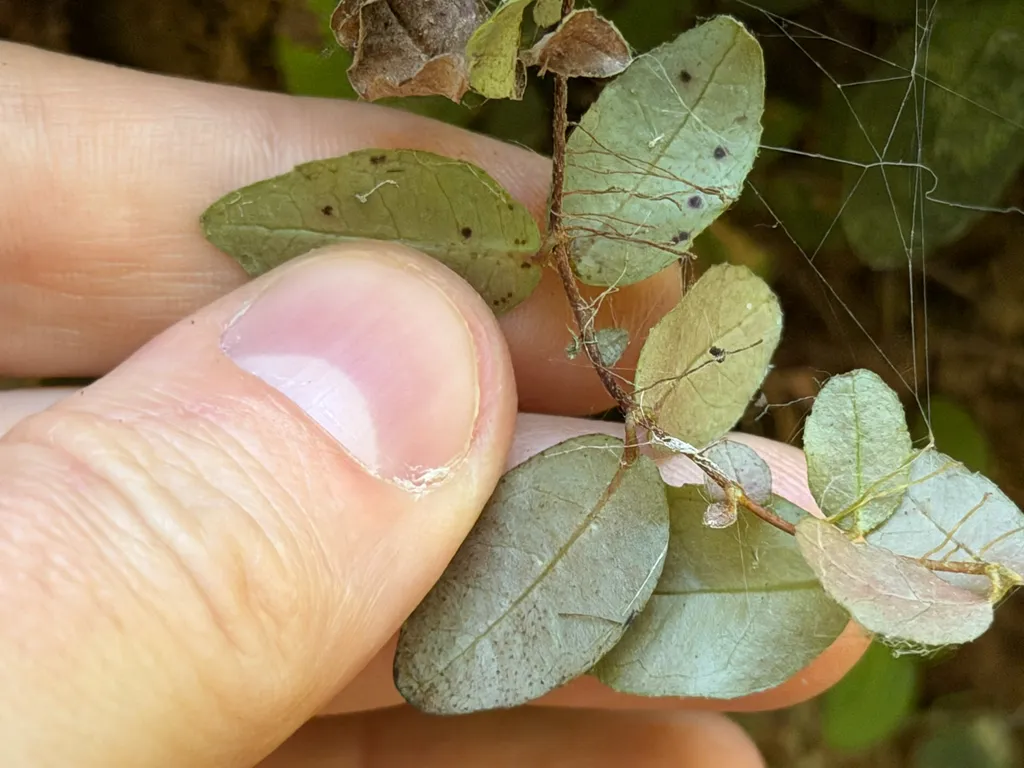
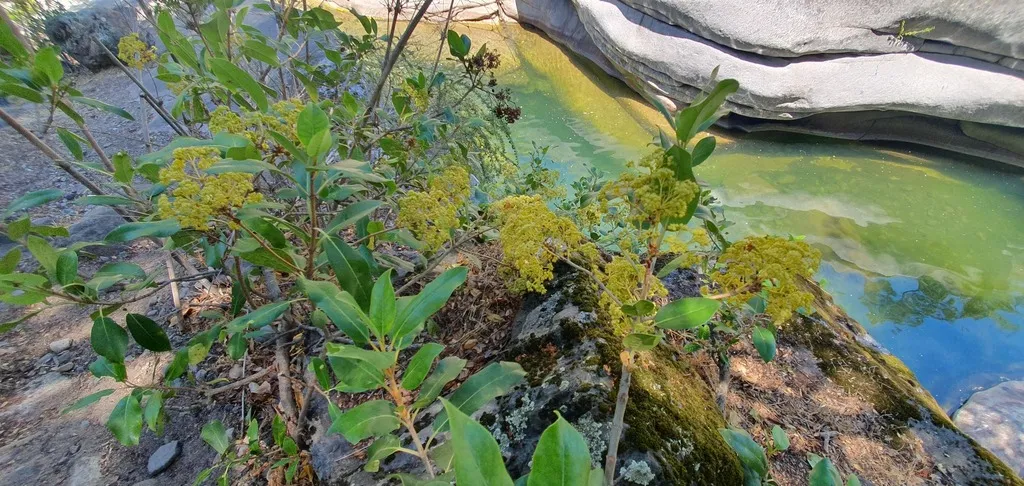
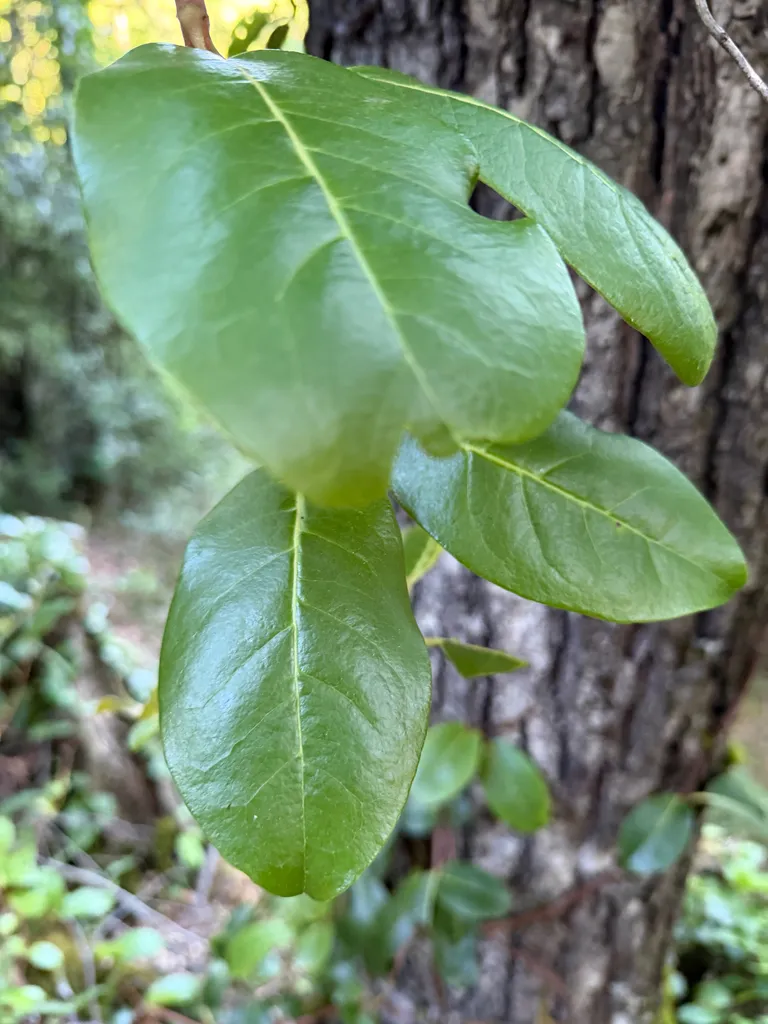
| Care difficulty | 3 / 5 |
|---|---|
| Watering schedule | Keep soil consistently moist, especially in warm weather |
| Sunlight requirements | Full shade · Full sun · Partial shade |
| Ideal temperature | Information to be completed |
| Soil type | Clay · Loam · Sand |
| Soil pH | Acid · Neutral |
| Soil moisture | Moist but well drained |
| Fertilizing | Hydrangea feed in spring and again early summer |
| Toxicity | Skin allergen. Wear gloves and other protective equipment when handling |
How to Water serrate-leaved hydrangea?
Keep soil consistently moist, especially in warm weather
Learn more →What Are the Sunlight Requirements for serrate-leaved hydrangea?
Full shade · Full sun · Partial shade
Learn more →What Is the Ideal Temperature Range for serrate-leaved hydrangea?

Information to be completed
Learn more →What Soil Is Best for serrate-leaved hydrangea?
- Soil type
- Clay · Loam · Sand
- Soil pH
- Acid · Neutral
What Are the Moisture Requirements for serrate-leaved hydrangea?
Moist but well drained
Learn more →How to Fertilize serrate-leaved hydrangea?

Hydrangea feed in spring and again early summer
Learn more →How to Prune serrate-leaved hydrangea?

Routine pruning is unnecessary; shorten overlong shoots to fit the available space. Prune after flowering has finished.
Learn more →How to Propagate serrate-leaved hydrangea?

Propagate by layering or from softwood cuttings
Learn more →How to Transplant serrate-leaved hydrangea?
Information to be completed
Learn more →How to Care for serrate-leaved hydrangea in Winter?

Information to be completed
Learn more →How to Plant serrate-leaved hydrangea?
Best grown in partial shade in a moist but well-drained soil enriched with well-rotted organic matter
Learn more →How to Repot serrate-leaved hydrangea?
Information to be completed
Learn more →How to Harvest serrate-leaved hydrangea?

Information to be completed
Learn more →Common Pests & Diseases

Diseases
May be susceptible to a leaf spot, powdery mildews, grey moulds (Botrytis) and honey fungus (rarely)
Pests
May be susceptible to aphids, capsid bug, hydrangea scale and vine weevil
Explore the plant health library →The Toxicity of serrate-leaved hydrangea
Skin allergen. Wear gloves and other protective equipment when handling