



Planting and Growing flowkwort

| Care difficulty | 1 / 5 |
|---|---|
| Watering schedule | Moderate regular watering, avoid prolonged drought or waterlogging |
| Sunlight requirements | Full sun · Partial shade |
| Ideal temperature | 15 – 25 °C |
| Soil type | Chalk · Clay · Loam · Sand |
| Soil pH | Acid · Alkaline · Neutral |
| Soil moisture | Poorly drained |
| Fertilizing | Balanced feed in spring and light repeat in growth season |
| Toxicity | Information to be completed |
How to Water flowkwort?
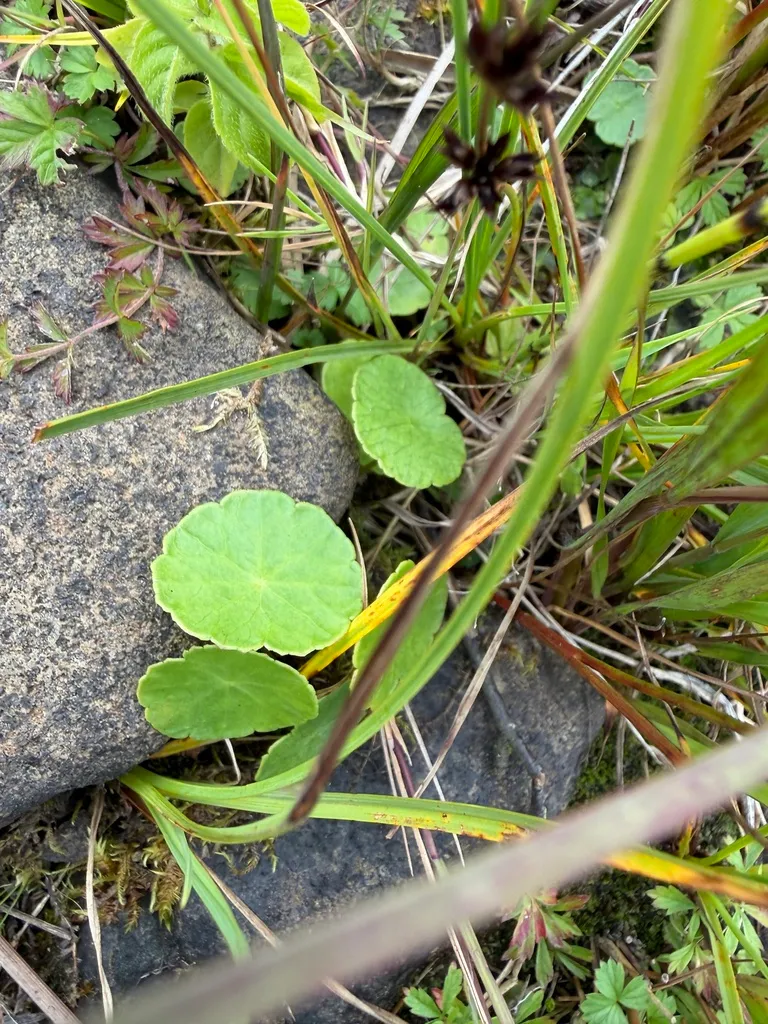
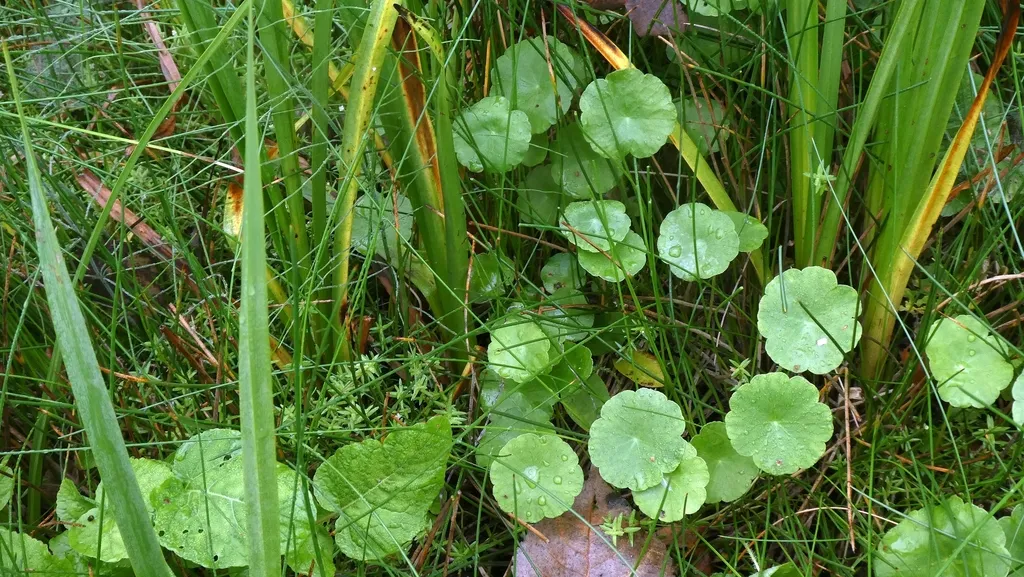
Adapted to moist environments, pennywort thrives in conditions that mimic its native wetland habitats. It exhibits a preference for consistent moisture and can tolerate brief periods of dryness. The ideal watering regimen for pennywort is once every 1-2 weeks, maintaining soil hydration without waterlogging. As an aquatic perennial, pennywort is often found in outdoor settings where it can spread along the water's edge, showcasing its affinity for damp soils and illustrating the importance of water in its growth cycle.
Learn more →What Are the Sunlight Requirements for flowkwort?
Pennywort thrives best in partial sun, benefitting from a balance of light and shade throughout the day. Too much direct sunlight, while tolerated, may cause pennywort to experience stress, potentially leading to scorched leaves or stunted growth. In its optimal light setting, pennywort can develop a lush, healthy spread. When grown outdoors, pennywort favors spots that provide dappled sunlight, such as beside taller plants or structures offering intermittent shade. However, it is adaptable and can survive in full sun, demonstrating hardiness through potential adaptive traits like slightly curling leaves to reduce exposure.
Learn more →What Is the Ideal Temperature Range for flowkwort?

Pennywort demonstrates remarkable resilience to temperature variations, enduring cold down to -20℃ (-4℉) and heat up to 38℃ (100℉). This wide range highlights its adaptability, though care must be taken in extreme conditions. During excessive cold, symptoms like leaf discoloration or wilting may appear, while overheating could lead to scorched leaves or stunted growth. Protective measures, such as mulching in winter or providing shade during peak heat, are essential. These tolerances make pennywort suitable for diverse environments but necessitate vigilant care in extreme weather to maintain its health.
Learn more →What Soil Is Best for flowkwort?
In its natural habitat, pennywort grows in moist areas with acidic to neutral pH (5.5-7.0) typically on sandy, loamy, or clay soils. Opt for a soil mix of 40% garden soil, 30% sand, and 30% compost to replicate these conditions. Good drainage is crucial; using a mix with coarse sand or perlite can help prevent water-logging. Consider occasional use of balanced, water-soluble fertilizers for best results, and avoid over-fertilizing to prevent root burn.
- Soil type
- Chalk · Clay · Loam · Sand
- Soil pH
- Acid · Alkaline · Neutral
What Are the Moisture Requirements for flowkwort?
Poorly drained
Learn more →How to Fertilize flowkwort?

For optimal growth, pennywort thrives with regular fertilization, especially during active growth in spring and summer. Use a high phosphorus and potassium fertilizer biweekly, diluted to half-strength to avoid over-fertilization. These nutrients boost pennywort's root development and disease resistance. Adjust feeding in colder months, reducing frequency as growth slows. Always water soil before applying fertilizer to protect pennywort's delicate roots. With appropriate feeding, pennywort will exhibit enhanced vigor and lushness.
Learn more →How to Prune flowkwort?

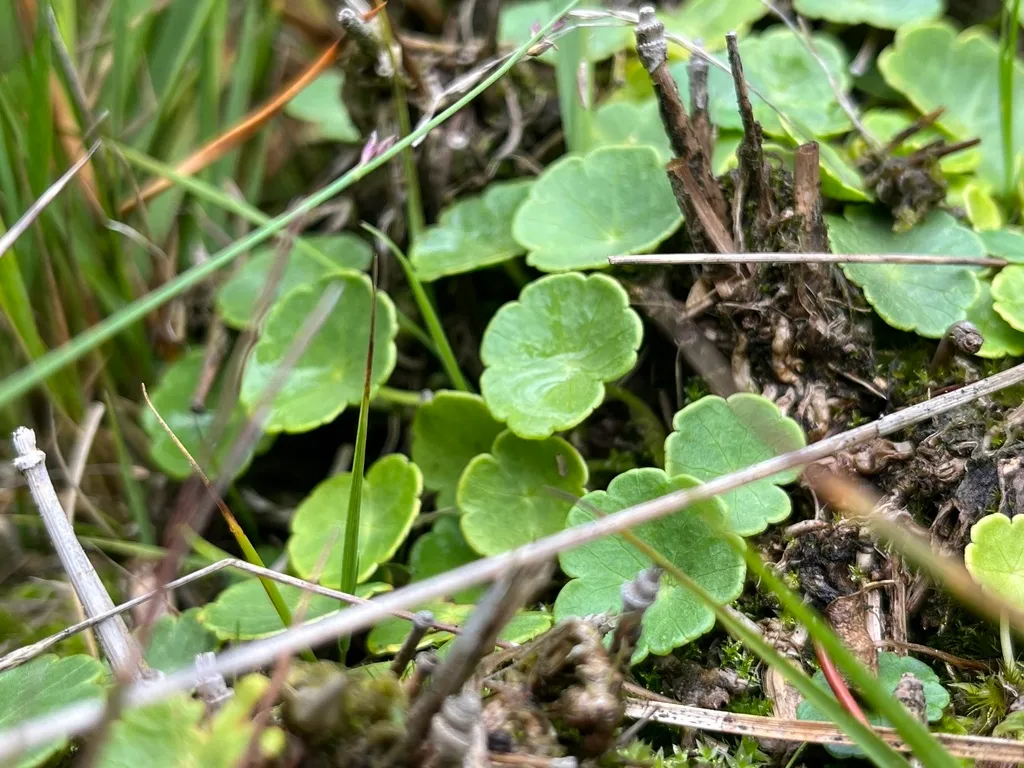
Pennywort, known for its round, water-loving leaves, should be pruned primarily in early to later spring to manage growth and encourage vigor. Trim back overgrown or damaged stems using sharp, clean shears. Regular pruning helps prevent invasive spread and maintains the plant’s health. Ensure cutting just above a leaf node to promote new growth. Consistent pruning improves air circulation, reducing disease risk. Optimal timing aligns with its waking period post-dormancy, ensuring robust recovery.
Learn more →How to Propagate flowkwort?

Pennywort is a perennial aquatic or marsh plant with a penchant for moist environments. It propagates successfully through division, a method exemplified by separating the rhizomes or rooted stems. To ensure healthy growth, divide pennywort in the early stages of growth, carefully detaching segments with ample roots attached. Planting these divisions in a suitable substrate that retains moisture will enable the cuttings to establish themselves swiftly and develop into independent, robust plants.
Learn more →How to Transplant flowkwort?
Transplant pennywort in the gentle warmth of late spring to early summer, when the soil is receptive. Choose moist, well-drained spots and be gentle; their roots treasure familiarity.
Learn more →How to Plant flowkwort?
Grow in full sun or partial shade in moisture-retentive soils in bog gardens or at pond margins or grow shallowly submerged in water up to 5cm deep
Learn more →Common Pests & Diseases

Diseases
May be susceptible to mint rust
Pests
Generally pest-free
Explore the plant health library →