



Planting and Growing African lily 'Midnight Blue'

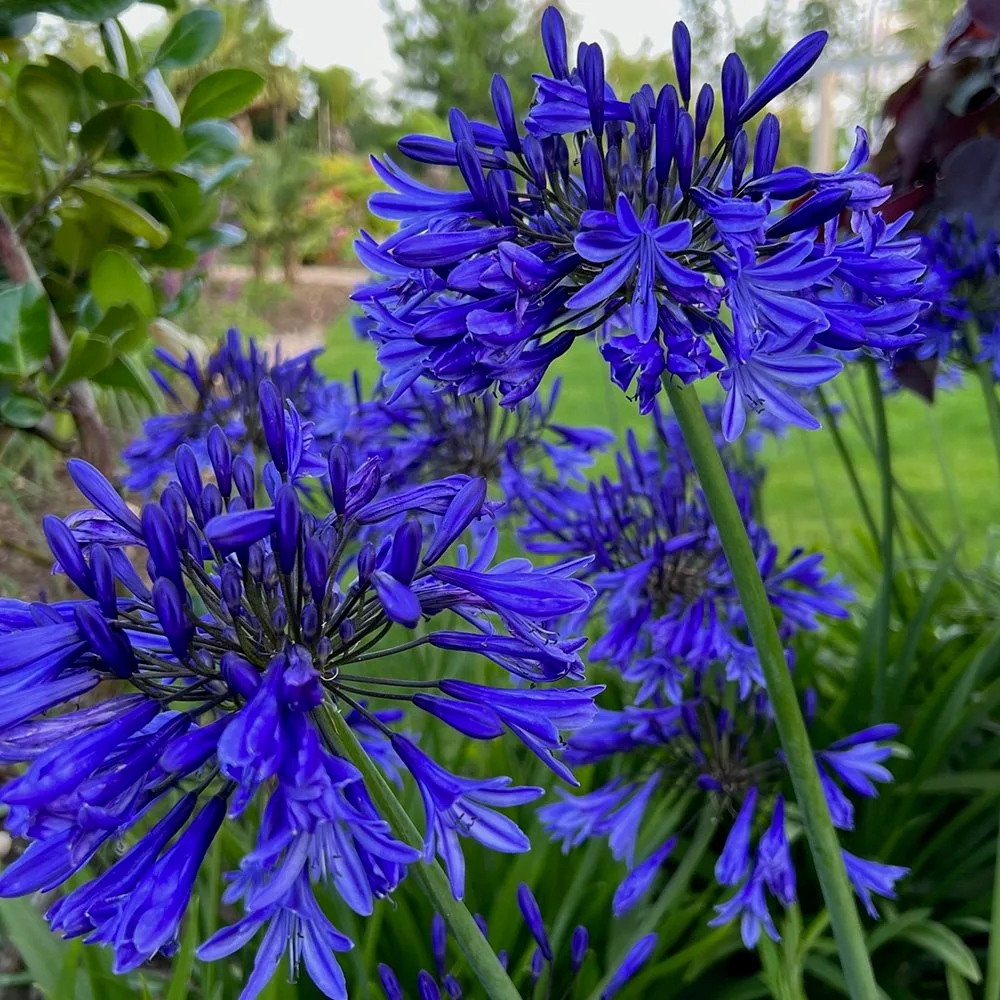
| Care difficulty | 2 / 5 |
|---|---|
| Watering schedule | Water regularly in growth, keeping soil lightly moist but well drained |
| Sunlight requirements | Full sun |
| Ideal temperature | Information to be completed |
| Soil type | Chalk · Loam · Sand |
| Soil pH | Acid · Alkaline · Neutral |
| Soil moisture | Moist but well drained |
| Fertilizing | Balanced feed monthly from spring through midsummer growth |
| Toxicity | Harmful if eaten. Wear gloves and other protective equipment when handling |
How to Water African lily 'Midnight Blue'?
Water regularly in growth, keeping soil lightly moist but well drained
Learn more →What Are the Sunlight Requirements for African lily 'Midnight Blue'?
Full sun
Learn more →What Soil Is Best for African lily 'Midnight Blue'?
- Soil type
- Chalk · Loam · Sand
- Soil pH
- Acid · Alkaline · Neutral
What Are the Moisture Requirements for African lily 'Midnight Blue'?
Moist but well drained
Learn more →How to Fertilize African lily 'Midnight Blue'?

Balanced feed monthly from spring through midsummer growth
Learn more →How to Prune African lily 'Midnight Blue'?

No pruning required except cutting back dead flower stems, but allow them to remain until spring, as the seedheads look attractive over winter
Learn more →How to Propagate African lily 'Midnight Blue'?

Propagate by division every three to four years in spring
Learn more →How to Plant African lily 'Midnight Blue'?
Grow in fertile, moist but well-drained soil in full sun or grow in a container. In cold areas, mulch well overwinter. See agapanthus cultivation
Learn more →Common Pests & Diseases

Diseases
May be susceptible to a virus disease
Pests
May be susceptible to slugs and snails and agapanthus gall midge but generally pest-free
Explore the plant health library →The Toxicity of African lily 'Midnight Blue'
Harmful if eaten. Wear gloves and other protective equipment when handling