



Planting and Growing Crocus laevigatus 'Fontenayi'

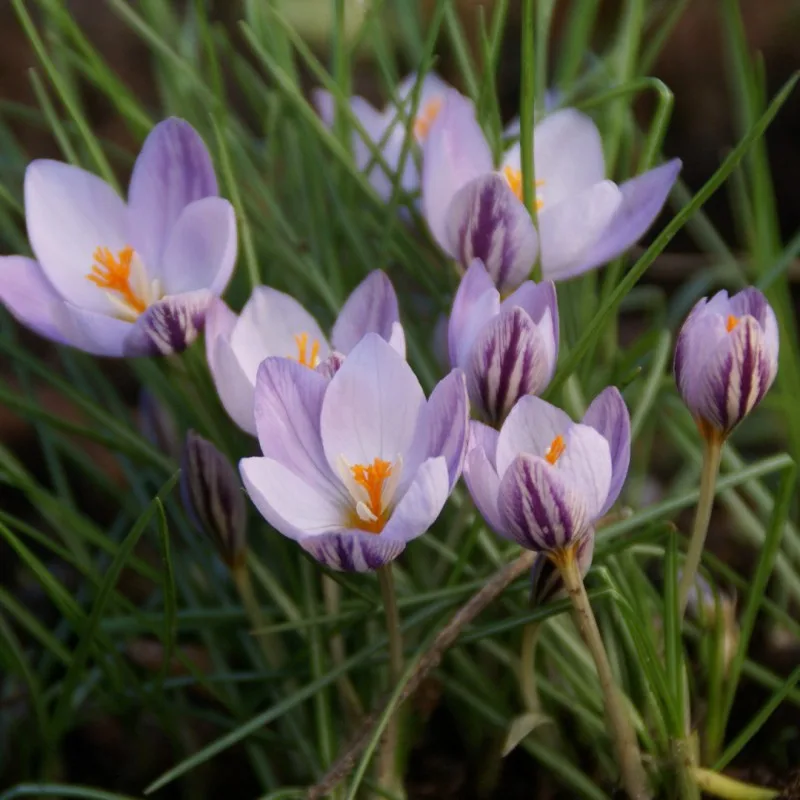
| Care difficulty | 2 / 5 |
|---|---|
| Watering schedule | Damp soil during leaf growth, withhold water after summer dormancy |
| Sunlight requirements | Full sun |
| Ideal temperature | Information to be completed |
| Soil type | Chalk · Loam · Sand |
| Soil pH | Acid · Alkaline · Neutral |
| Soil moisture | Well drained |
| Fertilizing | Light bulb fertilizer once applied before spring bud break stage |
| Toxicity | Ornamental bulbs - not to be eaten. Wear gloves and other protective equipment when handling |
How to Water Crocus laevigatus 'Fontenayi'?
Damp soil during leaf growth, withhold water after summer dormancy
Learn more →What Are the Sunlight Requirements for Crocus laevigatus 'Fontenayi'?
Full sun
Learn more →What Soil Is Best for Crocus laevigatus 'Fontenayi'?
- Soil type
- Chalk · Loam · Sand
- Soil pH
- Acid · Alkaline · Neutral
What Are the Moisture Requirements for Crocus laevigatus 'Fontenayi'?
Well drained
Learn more →How to Fertilize Crocus laevigatus 'Fontenayi'?

Light bulb fertilizer once applied before spring bud break stage
Learn more →How to Prune Crocus laevigatus 'Fontenayi'?

No pruning required
Learn more →How to Propagate Crocus laevigatus 'Fontenayi'?

Propagate by division of established clumps, or by separating cormlets when dormant
Learn more →How to Plant Crocus laevigatus 'Fontenayi'?
Grow in gritty, well-drained, poor to moderately fertile soil in full sun. If planted outdoors, protect from excess winter wet, or grow in pots that can be brought indoors to enjoy when flowering. Prefers to be on the dry side during dormancy
Learn more →Common Pests & Diseases

Diseases
Generally disease-free, corms may rot in storage
Pests
May be susceptible to rodents and birds
Explore the plant health library →The Toxicity of Crocus laevigatus 'Fontenayi'
Ornamental bulbs - not to be eaten. Wear gloves and other protective equipment when handling