



Planting and Growing Iris goniocarpa

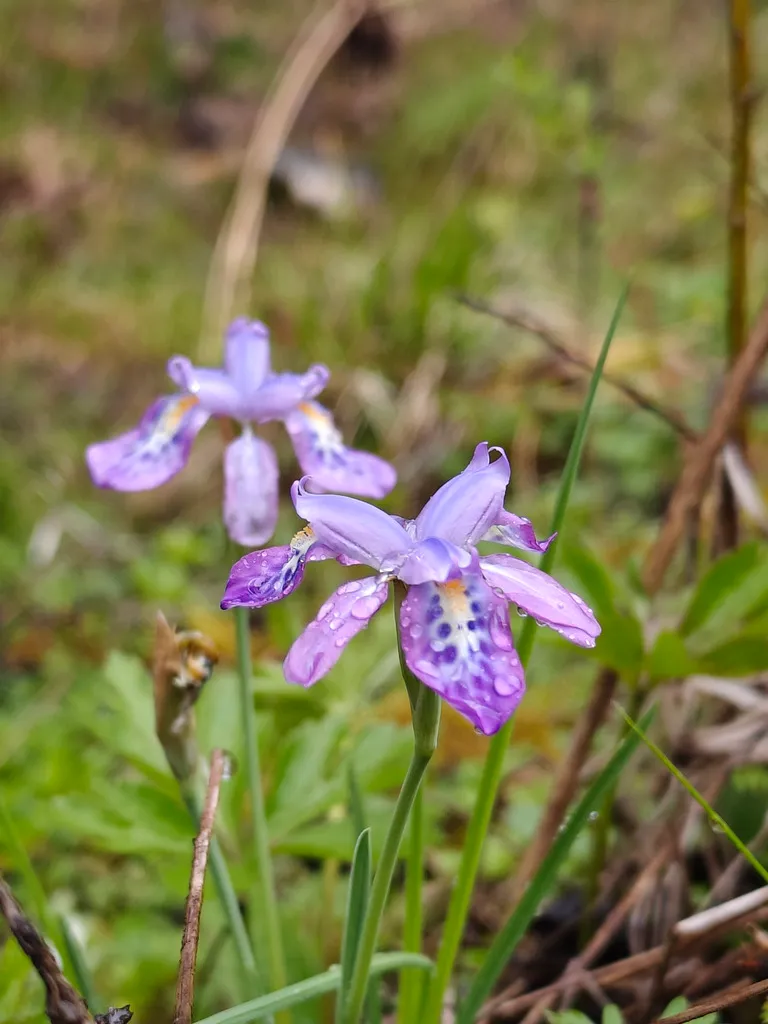
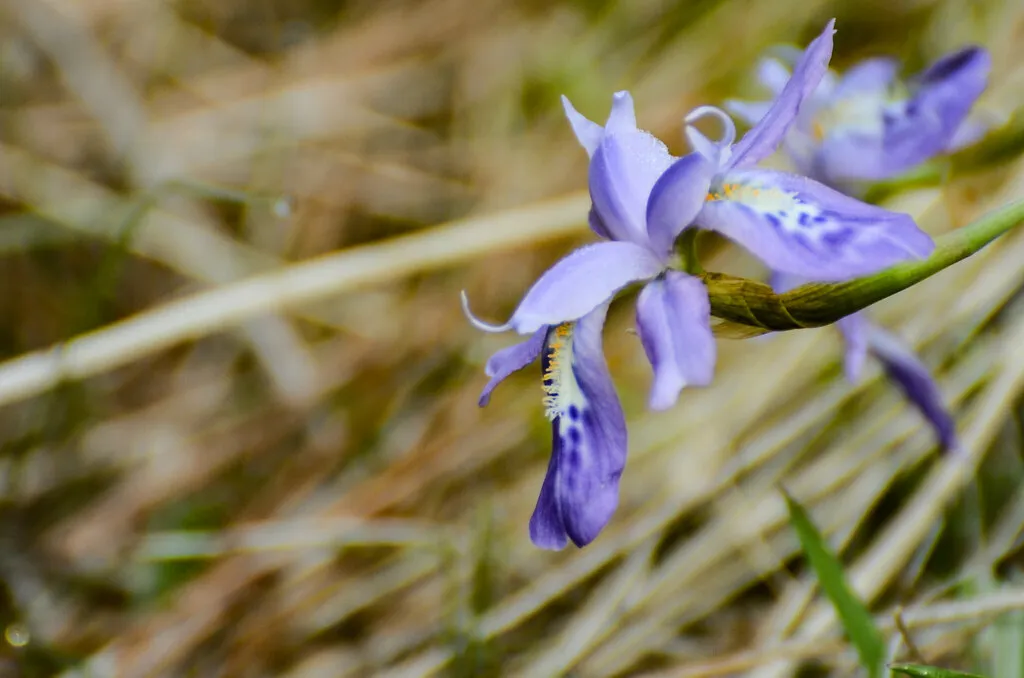
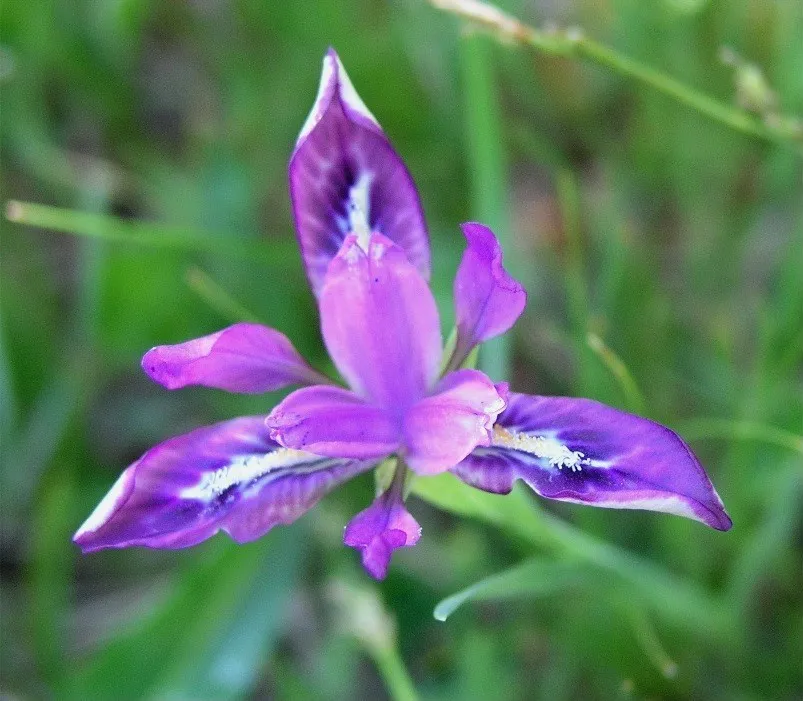
| Care difficulty | 3 / 5 |
|---|---|
| Watering schedule | Keep root zone evenly moist, never waterlogged |
| Sunlight requirements | Full sun |
| Ideal temperature | Information to be completed |
| Soil type | Loam · Sand |
| Soil pH | Neutral · Acid |
| Soil moisture | Moist but well drained |
| Fertilizing | Balanced feed in spring and light feed during growth |
| Toxicity | Harmful if eaten. Wear gloves and other protective equipment when handling |
How to Water Iris goniocarpa?
Keep root zone evenly moist, never waterlogged
Learn more →What Are the Sunlight Requirements for Iris goniocarpa?
Full sun
Learn more →What Is the Ideal Temperature Range for Iris goniocarpa?

Information to be completed
Learn more →What Soil Is Best for Iris goniocarpa?
- Soil type
- Loam · Sand
- Soil pH
- Neutral · Acid
What Are the Moisture Requirements for Iris goniocarpa?
Moist but well drained
Learn more →How to Fertilize Iris goniocarpa?

Balanced feed in spring and light feed during growth
Learn more →How to Prune Iris goniocarpa?

Remove spent flower stems after flowering, and any dying foliage in autumn
Learn more →How to Propagate Iris goniocarpa?

Propagate by division, see dividing irises for more detailed advice
Learn more →How to Transplant Iris goniocarpa?
Information to be completed
Learn more →How to Care for Iris goniocarpa in Winter?

Information to be completed
Learn more →How to Plant Iris goniocarpa?
Thrives in a sunny position, in moist but well-drained, ideally neutral to slightly acid soil
Learn more →How to Repot Iris goniocarpa?
Information to be completed
Learn more →How to Harvest Iris goniocarpa?

Information to be completed
Learn more →Common Pests & Diseases

Diseases
May be susceptible to aphid-borne viruses, bacterial soft rot and grey moulds; see Iris diseases
Pests
May be susceptible to aphids, slugs, snails and thrips
Explore the plant health library →The Toxicity of Iris goniocarpa
Harmful if eaten. Wear gloves and other protective equipment when handling