



Planting and Growing monk's hood Anglicum Group

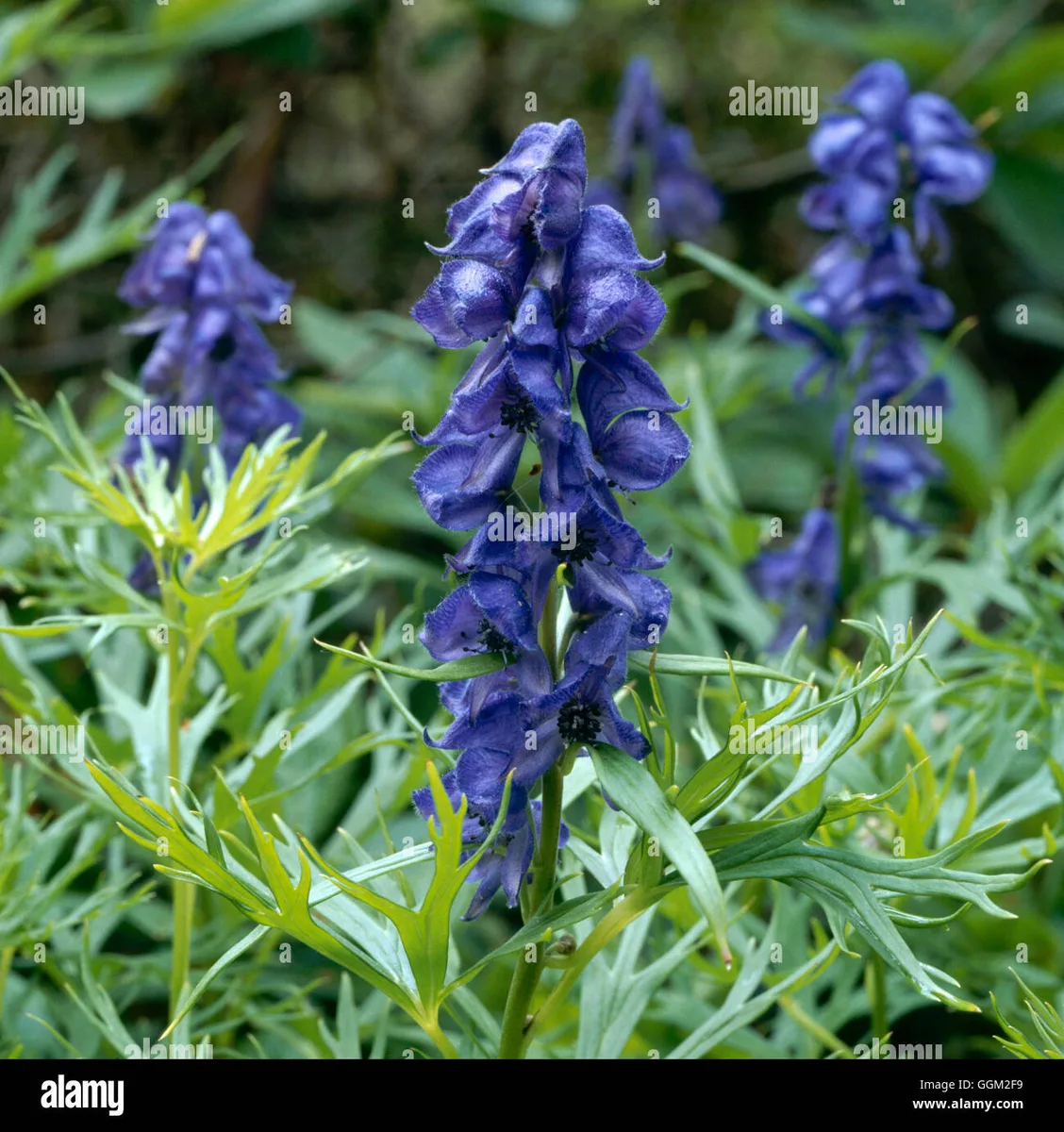
| Care difficulty | 2 / 5 |
|---|---|
| Watering schedule | Moderate regular watering, allowing brief slight drying between soakings |
| Sunlight requirements | Full shade · Full sun · Partial shade |
| Ideal temperature | Information to be completed |
| Soil type | Chalk · Clay · Loam |
| Soil pH | Acid · Alkaline · Neutral |
| Soil moisture | Moist but well drained · Poorly drained |
| Fertilizing | Balanced perennial feed every four weeks from spring through summer |
| Toxicity | TOXIC if eaten, avoid skin contact. Wear gloves and other protective equipment when handling] |
How to Water monk's hood Anglicum Group?
Moderate regular watering, allowing brief slight drying between soakings
Learn more →What Are the Sunlight Requirements for monk's hood Anglicum Group?
Full shade · Full sun · Partial shade
Learn more →What Soil Is Best for monk's hood Anglicum Group?
- Soil type
- Chalk · Clay · Loam
- Soil pH
- Acid · Alkaline · Neutral
What Are the Moisture Requirements for monk's hood Anglicum Group?
Moist but well drained · Poorly drained
Learn more →How to Fertilize monk's hood Anglicum Group?

Balanced perennial feed every four weeks from spring through summer
Learn more →How to Prune monk's hood Anglicum Group?

No pruning required except cutting back dead stems; use protective gloves
Learn more →How to Propagate monk's hood Anglicum Group?

Propagate by seed, sown in containers in a cold frame in spring, or by division in autumn or late winter; division every few years may encourage good flowering stems, though plants may be slow to re-establish; use protective gloves
Learn more →How to Plant monk's hood Anglicum Group?
Grows best in deep, cool, moisture-retentive soil in partial shade, but will also tolerate most soils and full sun if soil is humus-rich and protected with mulch to ensure that it is moist throughout the growing season; use protective gloves
Learn more →Common Pests & Diseases

Diseases
May be susceptible to fungal stem rot, powdery mildews, and Verticillium wilt
Pests
Generally pest-free but may be susceptible to aphids
Explore the plant health library →The Toxicity of monk's hood Anglicum Group
TOXIC if eaten, avoid skin contact. Wear gloves and other protective equipment when handling]