



Planting and Growing Norse fire plant

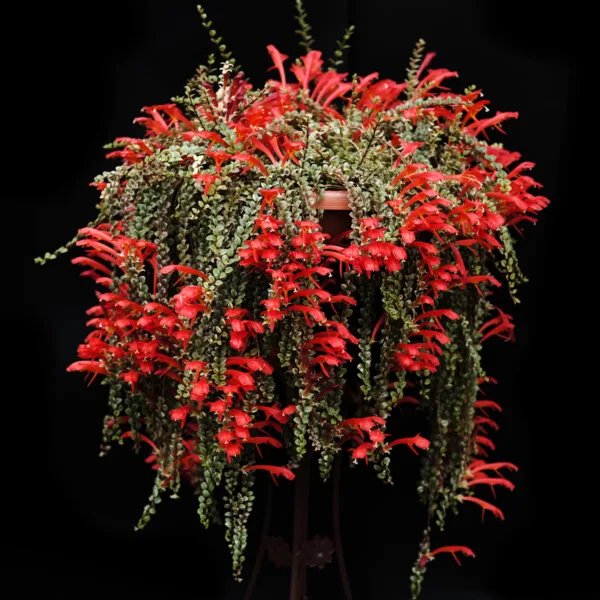
| Care difficulty | 3 / 5 |
|---|---|
| Watering schedule | Moderate regular watering, allowing slight drying between waterings |
| Sunlight requirements | Partial shade |
| Ideal temperature | Information to be completed |
| Soil type | Loam · Sand |
| Soil pH | Acid · Neutral |
| Soil moisture | Moist but well drained |
| Fertilizing | Balanced feed monthly during active growth season |
| Toxicity | Information to be completed |
How to Water Norse fire plant?
Moderate regular watering, allowing slight drying between waterings
Learn more →What Are the Sunlight Requirements for Norse fire plant?
Partial shade
Learn more →What Soil Is Best for Norse fire plant?
- Soil type
- Loam · Sand
- Soil pH
- Acid · Neutral
What Are the Moisture Requirements for Norse fire plant?
Moist but well drained
Learn more →How to Fertilize Norse fire plant?

Balanced feed monthly during active growth season
Learn more →How to Prune Norse fire plant?

Routine pruning is unnecessary; shorten overlong shoots to fit the available space. For last-year flowering growth, prune after flowering; for current-year flowering growth, prune in late winter or spring. This guidance is for established plants.
Learn more →How to Propagate Norse fire plant?

Propagate by softwood cuttings
Learn more →How to Plant Norse fire plant?
Grow in pots or hanging baskets of open, humus-rich compost in bright filtered or indirect light. Mist regularly with tepid soft water to maintain high humidity. When in growth water freely but carefully with soft water and apply a quarter-strength, high potash liquid fertiliser at each watering. Water sparingly in winter. To maintain vigour, propagate every 2-3 years
Learn more →Common Pests & Diseases

Diseases
May be susceptible to root and stem rots if overwatered
Pests
May be susceptible to mealybugs, cyclamen mites and aphids
Explore the plant health library →