



Planting and Growing red-hot poker

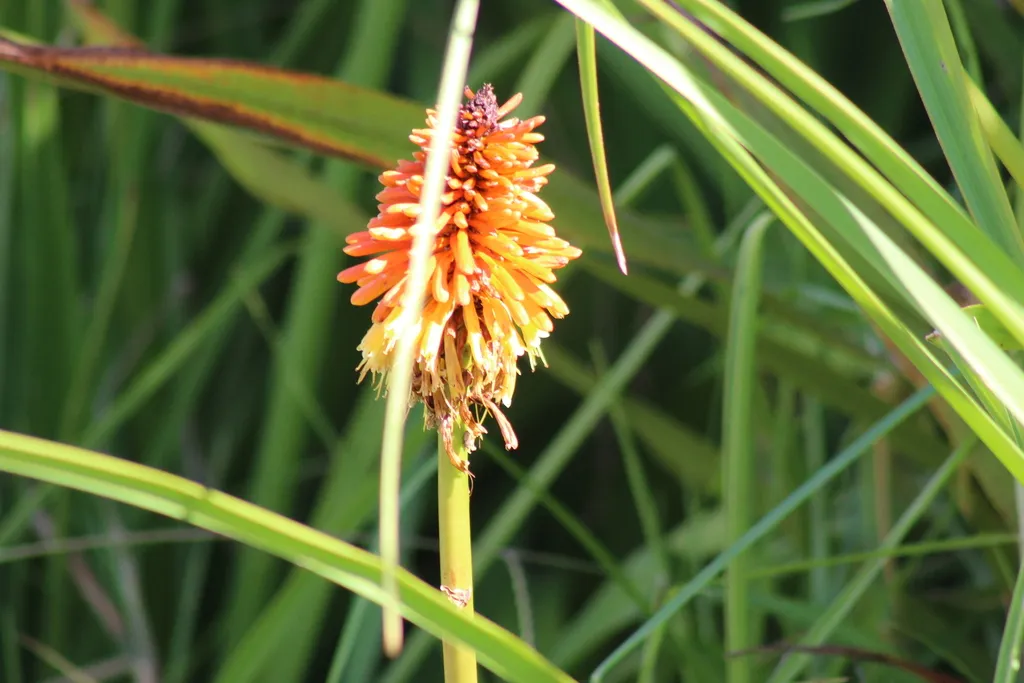
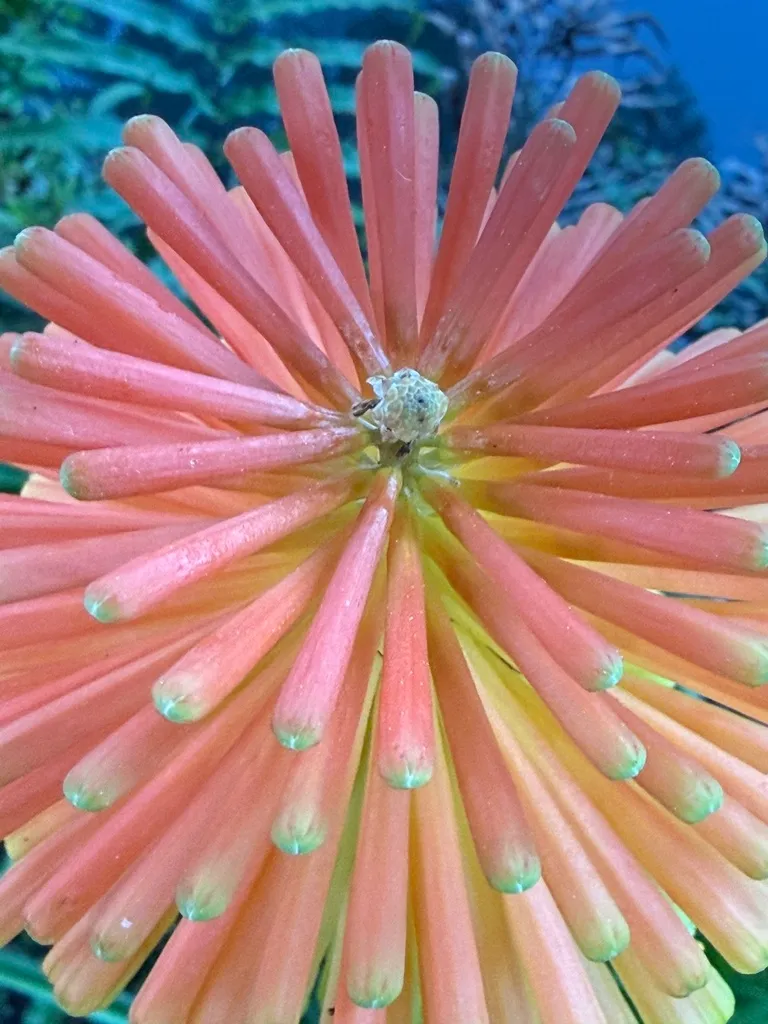
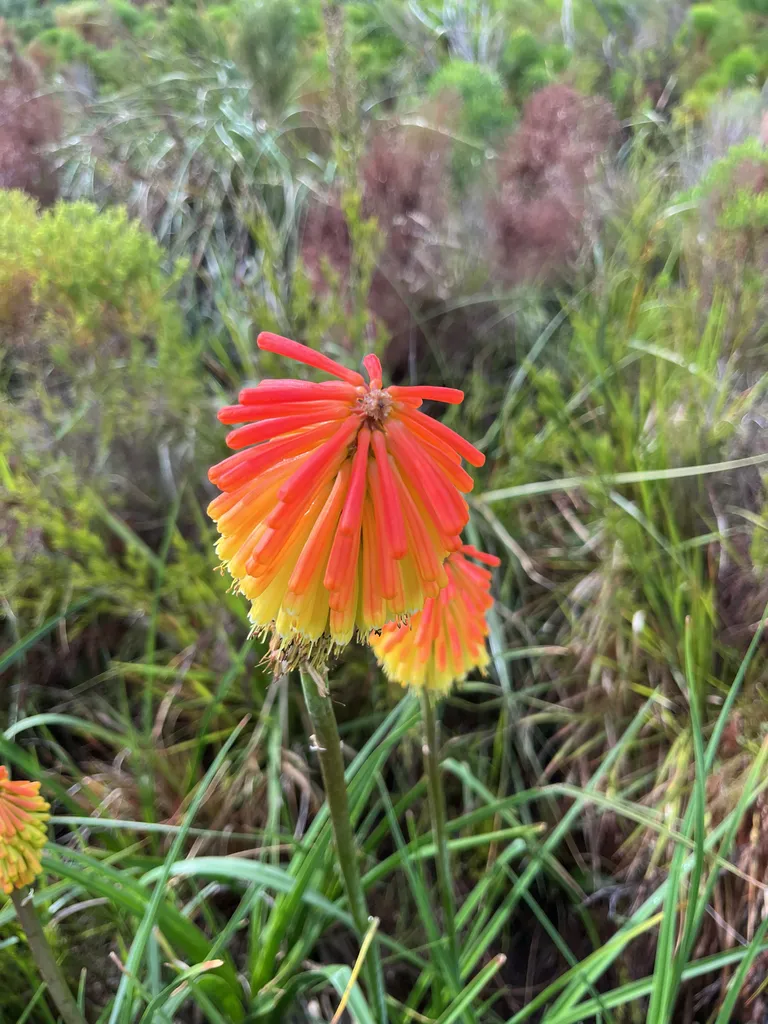
| Care difficulty | 2 / 5 |
|---|---|
| Watering schedule | Moderate regular watering, avoid prolonged drought or waterlogging |
| Sunlight requirements | Full sun |
| Ideal temperature | 15 – 25 °C |
| Soil type | Loam · Sand |
| Soil pH | Acid · Alkaline · Neutral |
| Soil moisture | Moist but well drained |
| Fertilizing | Balanced feed in spring and light repeat in growth season |
| Toxicity | Information to be completed |
How to Water red-hot poker?
Originating from the arid regions of South Africa, red hot poker has adapted to survive with minimal moisture, showcasing a high drought tolerance. It thrives when watered sparingly, aligning with its natural predisposition for dry conditions—requiring watering every week to maintain optimal health. As an outdoor perennial known for its striking inflorescences, red hot poker benefits significantly from well-draining soil to prevent root rot, which is pivotal given its sensitivity to overwatering.
Learn more →What Are the Sunlight Requirements for red-hot poker?
Red hot poker thrives best in full sunlight, which bolsters its growth, flowering capacity, and overall health. The plant requires several hours of direct sunlight daily to ensure vibrant bloom development and rigorous growth. While red hot poker can tolerate partial sun, lesser light may lead to reduced flowering and diminished vigor. When planted outdoors, red hot poker should be positioned in locations that benefit from unobstructed sunlight for the majority of the day. Adaptive traits such as the ability to endure heat well make red hot poker a resilient choice for sunny gardens.
Learn more →What Is the Ideal Temperature Range for red-hot poker?

Red hot poker demonstrates considerable resilience to temperature fluctuations. It can withstand cold temperatures as low as -20℃ (-4℉) and endure heat up to 38℃ (100℉). This broad tolerance implies that red hot poker can be cultivated in various climates, though extreme weather may necessitate protective measures. Signs of stress from cold include wilted leaves and frost damage, while overheating may cause leaf scorch and dehydration. To mitigate cold effects, mulching and covering with frost cloths are recommended. In hot conditions, providing shade and consistent watering can help sustain the plant's health. Overall, red hot poker's adaptability enhances its appeal for diverse gardening environments.
Learn more →What Soil Is Best for red-hot poker?
For optimal growth, red hot poker needs well-drained soil. A suitable mix can be prepared using equal parts garden soil, sand, and compost to enhance aeration and drainage. If sand is not available, perlite or fine gravel can be substituted. Ensuring good drainage is key to prevent water-logging, which red hot poker is sensitive to. Fertilize with a balanced, slow-release fertilizer in the spring to support healthy growth.
- Soil type
- Loam · Sand
- Soil pH
- Acid · Alkaline · Neutral
What Are the Moisture Requirements for red-hot poker?
Moist but well drained
Learn more →How to Fertilize red-hot poker?

For red hot poker, optimal fertilization entails using balanced nutrition fertilizers during the growing season for robust growth. In spring, shift to high phosphorus fertilizers to enhance blooming. Fertilize red hot poker every 6-8 weeks, with diluted solutions to prevent root burn. Overwintering red hot poker requires minimal feeding. Practical tip: Water red hot poker before fertilizing to aid nutrient absorption and mitigate root damage. Strictly adhere to product instructions to maintain red hot poker's vitality and flowering prowess.
Learn more →How to Prune red-hot poker?

Red hot poker, known for its vibrant, torch-like flower spikes, requires pruning primarily in early to late spring. Cut back spent flower stalks to encourage new growth and remove any dead or damaged foliage to maintain plant health. Pruning at these times aligns with red hot poker’s growth cycle, promoting robust flowering. These techniques not only enhance the plant's appearance but also prevent disease, making it essential for any gardener’s routine.
Learn more →How to Propagate red-hot poker?

Red hot poker is best propagated through division in the spring or autumn. While it's relatively easy to propagate, watch for new growth as a sign of success. Gently separate the plant to maintain root health.
Learn more →How to Transplant red-hot poker?
The ideal season for transplanting red hot poker is early summer through late summer, or mid-fall to early winter, as it allows for optimal root growth. Choose a sunny location with well-drained soil. Gently loosen the rootball during transplant for a successful adjustment. Happy gardening!
Learn more →How to Care for red-hot poker in Winter?

Information to be completed
Learn more →How to Plant red-hot poker?
Indoors-potted: Cultivate red hot poker indoors for a touch of drama; ensure ample space as it thrives with room to grow, displaying its fiery spikes. Outdoors-potted: Red hot poker makes a bold statement in outdoor pots; rotate the container periodically to promote uniform growth and flowering. Outdoors-in the ground: In garden beds, red hot poker adds vertical interest and attracts pollinators; give it elbow room to accommodate its spreading nature.
Learn more →How to Repot red-hot poker?
Repot red hot poker every 2-3 years, best in spring to accommodate its growth cycle. As a clumping perennial, choose a pot that is larger than its current, ensuring ample space for the roots. Post-repotting, place red hot poker in full sun and water moderately to encourage recovery. Use well-draining soil and avoid overwatering to prevent root rot, as red hot poker prefers drier conditions.
Learn more →How to Harvest red-hot poker?

Information to be completed
Learn more →Common Pests & Diseases

Diseases
Generally disease-free
Pests
May be susceptible to aphids, thrips, slugs and snails
Explore the plant health library →The Toxicity of red-hot poker
Information to be completed