



Planting and Growing pride of India


| Care difficulty | 1 / 5 |
|---|---|
| Watering schedule | Moderate regular watering, allowing brief slight drying between soakings |
| Sunlight requirements | Full sun |
| Ideal temperature | 15 – 25 °C |
| Soil type | Chalk · Clay · Loam · Sand |
| Soil pH | Acid · Alkaline · Neutral |
| Soil moisture | Moist but well drained · Well drained |
| Fertilizing | Balanced perennial feed every four weeks from spring through summer |
| Toxicity | Information to be completed |
How to Water pride of India?
Originating from East Asia, goldenrain tree thrives in a temperate climate with moderate moisture. It is well-adapted to periods of dryness but appreciates consistent hydration, favoring watering once every 1-2 weeks. Typically grown outdoors due to its size and ornamental value, goldenrain tree showcases its resilience through seasonal changes by shedding leaves as a deciduous plant, reducing water needs during dormancy.
Learn more →What Are the Sunlight Requirements for pride of India?
Goldenrain tree thrives in full sun, requiring at least six hours of direct sunlight daily to maximize its growth, health, and flowering potential. While it tolerates partial sun, lesser light exposure may reduce its vigor and diminish flowering quality. Adaptively, goldenrain tree can adjust leaf orientation to optimize light absorption, which is crucial in less-than-ideal light conditions. Primarily grown outdoors, it is best planted in open areas or along streets where it can receive ample sunlight without obstruction. In suboptimal light, goldenrain tree tends to have a sparser canopy and paler leaves.
Learn more →What Is the Ideal Temperature Range for pride of India?

Goldenrain tree is notably resilient to temperature fluctuations, tolerating cold as low as -20℃ (-4℉) and withstanding heat up to 38℃ (100℉). This broad tolerance range makes goldenrain tree suitable for diverse environments, but it requires some care during extremes. In cold conditions, symptoms like browning or dropping leaves can occur, while overheating may cause leaf scorch and wilting. Protecting goldenrain tree during severe cold with mulching or using shade nets during intense heat can mitigate stress. Proper care ensures goldenrain tree's robust growth and longevity despite temperature variances.
Learn more →What Soil Is Best for pride of India?
The goldenrain tree thrives in diverse soil types, including sandy, clay, loam, and chalky soils, typically found in its natural habitat. It prefers a pH range from acidic to alkaline (6.0-8.0), crucial for optimal nutrient absorption and plant health. The native soil is usually well-draining with a balanced mix of organic matter. For a suitable soil mix, combine garden soil (50%), compost (30%), and sand or perlite (20%) to mimic natural conditions. Ensure excellent drainage to prevent water-logging. Periodic use of balanced, slow-release fertilizers enhances growth, applied during early spring for best results.
- Soil type
- Chalk · Clay · Loam · Sand
- Soil pH
- Acid · Alkaline · Neutral
What Are the Moisture Requirements for pride of India?
Moist but well drained · Well drained
Learn more →How to Fertilize pride of India?

For the vibrant goldenrain tree, a balanced, slow-release fertilizer is ideal in spring, promoting lush foliage growth. In young goldenrain tree, high nitrogen fertilizers can boost growth. Fertilize biannually for mature trees to enhance flowering. Apply according to label rates, avoiding excess, which can harm the plant and environment. Seasonal adjustments to fertilizer types and quantities optimize health and vitality. Safety tip: always water the soil after fertilizing to help nutrient absorption and prevent root burn.
Learn more →How to Prune pride of India?

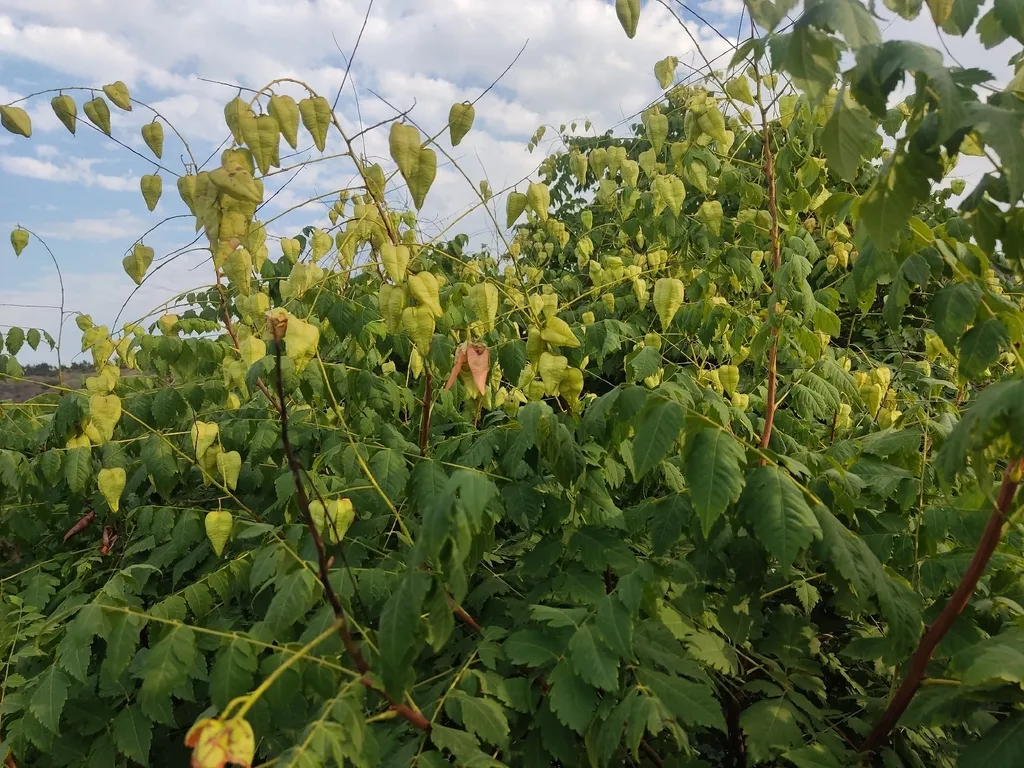
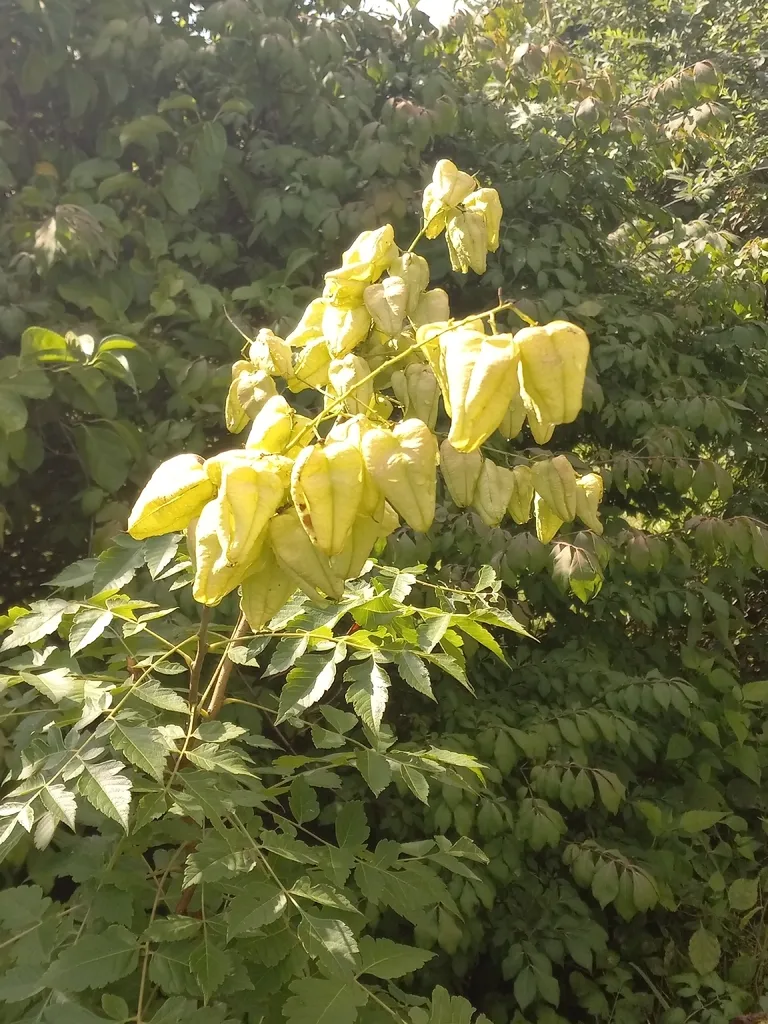
Goldenrain tree, known for its bright yellow flowers and decorative seed pods, requires strategic pruning to maintain its shape and health. Prune in early spring to encourage robust growth and shape correction. Focus on removing dead, damaged, or crossed branches, and thin out crowded areas to improve air circulation. Regular pruning helps prevent disease and promotes a strong structure. By adhering to this pruning schedule, gardeners can significantly enhance the ornamental appeal and longevity of goldenrain tree.
Learn more →How to Propagate pride of India?

Goldenrain tree is propagated through hardwood cuttings, layering (air), and sowing seeds during autumn and winter. The propagation difficulty is easy to moderate, and signs of successful propagation include new growth and root development. When propagating via cuttings, it's important to keep the soil moist and to provide shade to prevent excessive evaporation.
Learn more →How to Transplant pride of India?
For a thriving goldenrain tree, transplant during the vitality of early to mid-spring, leveraging the season's moderate climate. Seek a sun-kissed site with well-draining soil, and provide ample space for its grandeur to unfold.
Learn more →How to Plant pride of India?
Indoors-potted: In an indoor setting, goldenrain tree may struggle to thrive due to size and light needs; consider this tree's robust nature before potting indoors. Outdoors-potted: When potted outdoors, goldenrain tree requires ample space for root growth to support its splendid seasonal canopy display. Outdoors-in the ground: Goldenrain tree's adaptability allows it to flourish in outdoor soil, with autumn bringing a spectacular show of golden blooms.
Learn more →Common Pests & Diseases

Diseases
May be susceptible to honey fungus
Pests
May be susceptible to glasshouse red spider mite
Explore the plant health library →