



Planting and Growing hidden toothwort

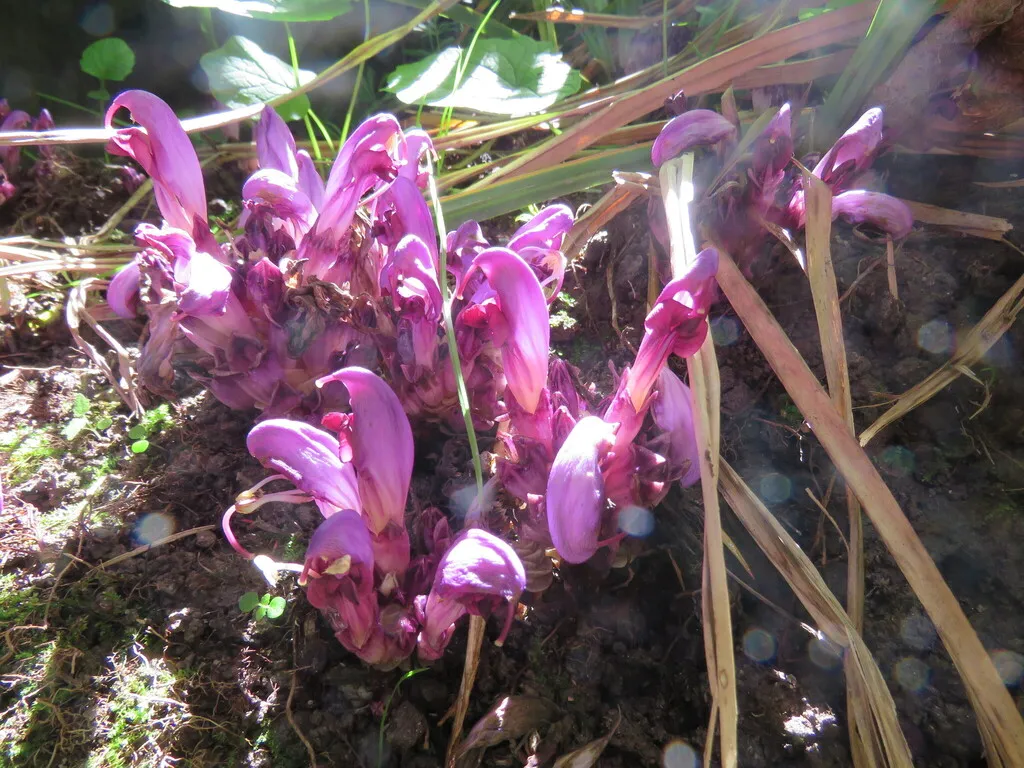
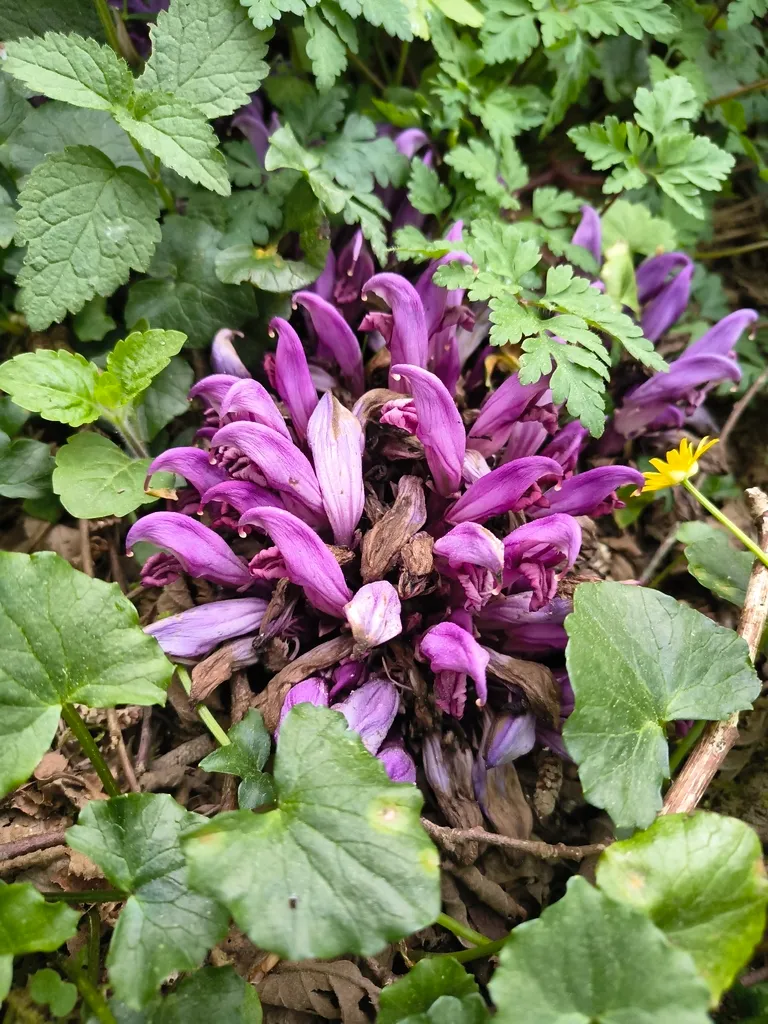
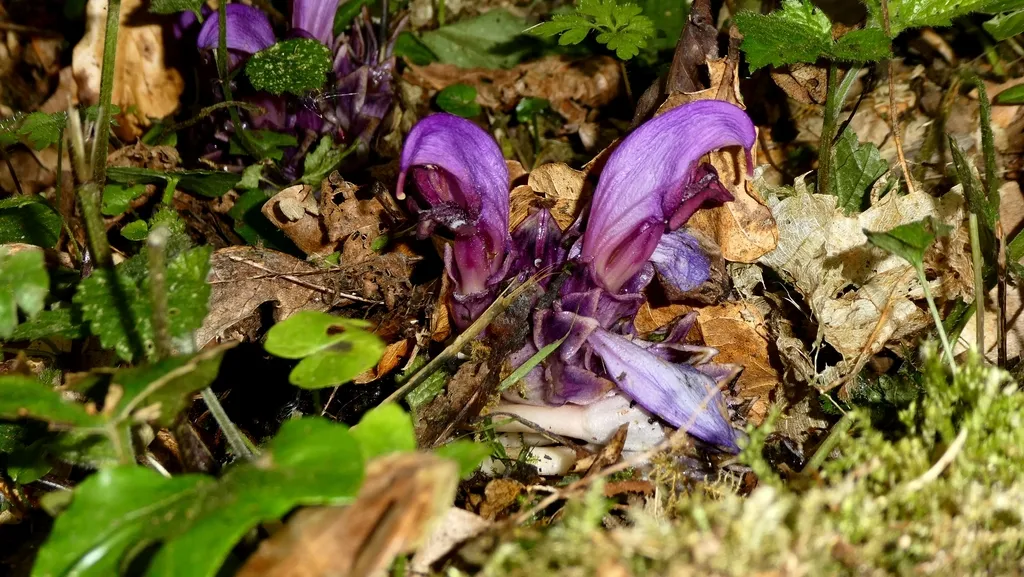
| Care difficulty | 3 / 5 |
|---|---|
| Watering schedule | Moderate regular watering, avoid prolonged drought and stagnant waterlogging |
| Sunlight requirements | Full shade · Full sun · Partial shade |
| Ideal temperature | Information to be completed |
| Soil type | Chalk · Clay · Loam · Sand |
| Soil pH | Acid · Alkaline · Neutral |
| Soil moisture | Moist but well drained |
| Fertilizing | Balanced perennial feed every four weeks spring through summer growth |
| Toxicity | Information to be completed |
How to Water hidden toothwort?
Moderate regular watering, avoid prolonged drought and stagnant waterlogging
Learn more →What Are the Sunlight Requirements for hidden toothwort?
Full shade · Full sun · Partial shade
Learn more →What Soil Is Best for hidden toothwort?
- Soil type
- Chalk · Clay · Loam · Sand
- Soil pH
- Acid · Alkaline · Neutral
What Are the Moisture Requirements for hidden toothwort?
Moist but well drained
Learn more →How to Fertilize hidden toothwort?

Balanced perennial feed every four weeks spring through summer growth
Learn more →How to Prune hidden toothwort?

No pruning required
Learn more →How to Propagate hidden toothwort?

Propagate by seed or root
Learn more →How to Plant hidden toothwort?
Dig a wide hole next to the base of the host tree/plant (preferable Willow, Hazel, Alder or Poplar) and make a wound in the base of the host stem or trunk. Press the Lathraea next to this. Cover with soil, firm in and keep watered. It may take two seasons before there is any sign of growth, and due to the wide spread of the roots, the flowers may come up some distance from where they were planted
Learn more →Common Pests & Diseases

Diseases
Generally disease-free
Pests
Generally pest-free
Explore the plant health library →