



Planting and Growing creeping saxifrage

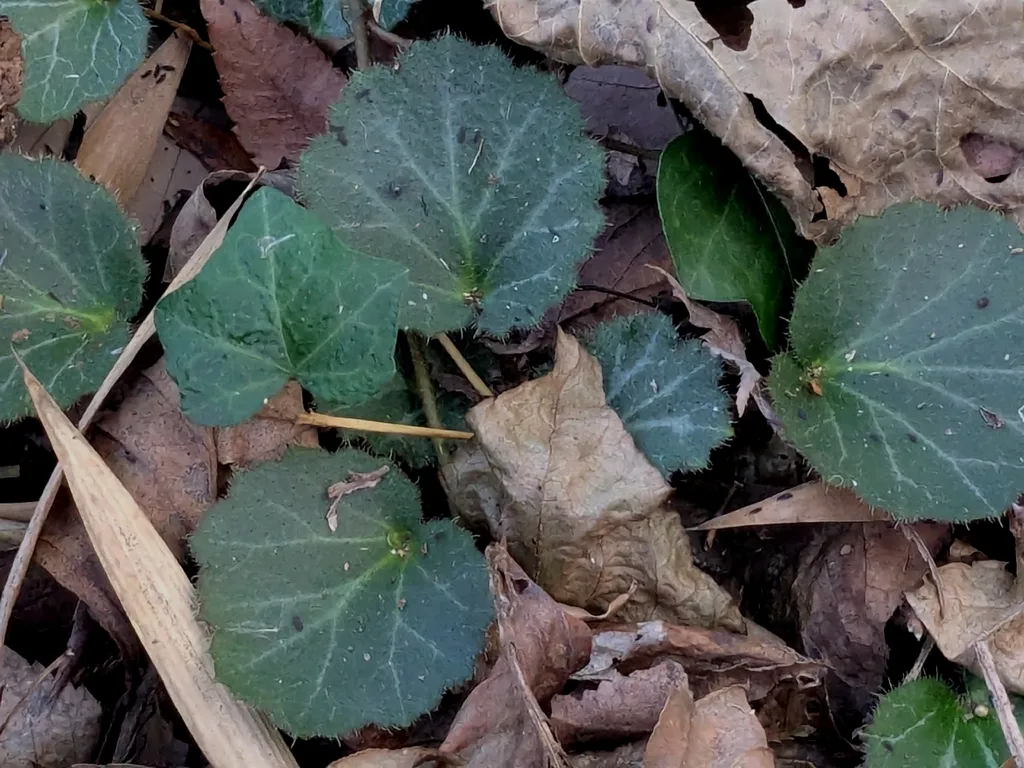
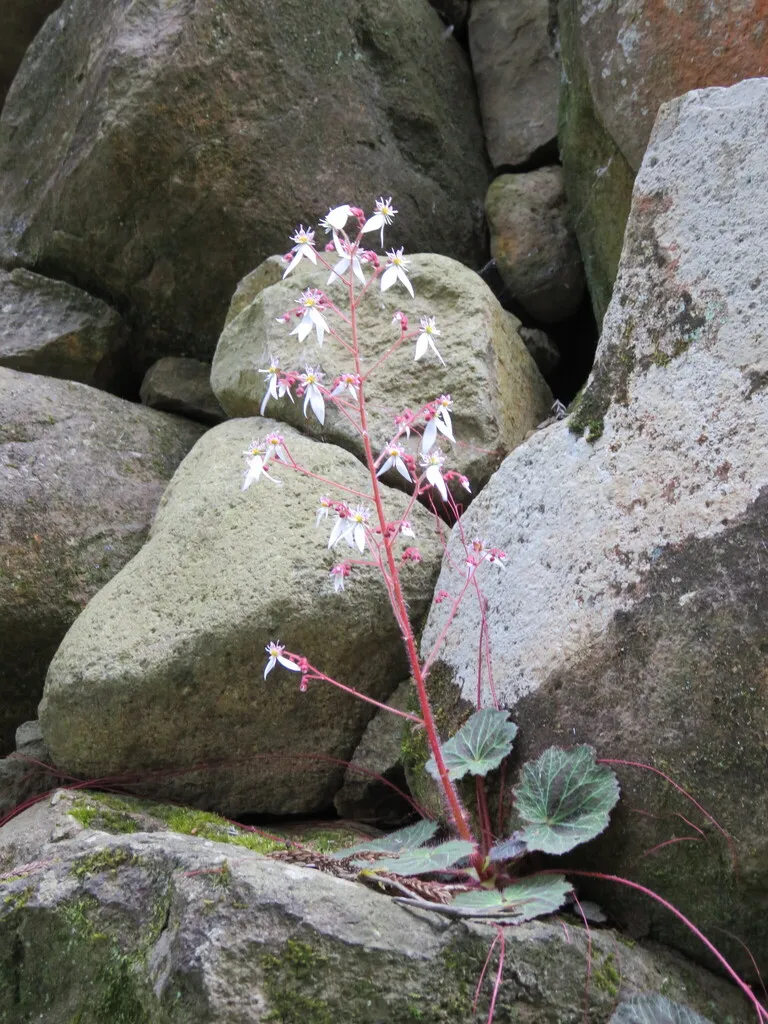
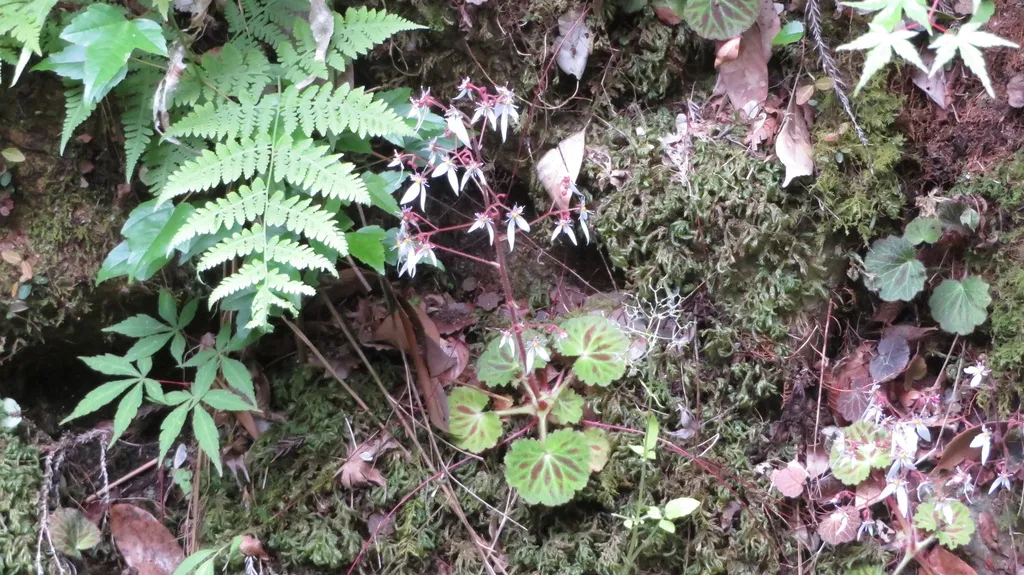
| Care difficulty | 2 / 5 |
|---|---|
| Watering schedule | Maintain slightly damp pot mix, avoid fully drying root ball completely |
| Sunlight requirements | Full shade · Partial shade |
| Ideal temperature | 15 – 25 °C |
| Soil type | Chalk · Loam · Sand |
| Soil pH | Acid · Alkaline · Neutral |
| Soil moisture | Well drained |
| Fertilizing | Half-strength general foliage feed monthly spring through early fall |
| Toxicity | Information to be completed |
How to Water creeping saxifrage?
Thriving in moist environments, strawberry saxifrage is accustomed to the consistent humidity of its native woodland settings. This species displays a preference for evenly moist soil, indicative of its moderate drought tolerance. Following its natural rhythm, strawberry saxifrage benefits from watering approximately twice a week to maintain its hydration levels. As an evergreen plant often cultivated indoors for its attractive foliage and stoloniferous growth habit, strawberry saxifrage requires careful attention to watering during the active growing season to ensure vibrant health and prevent leaf desiccation.
Learn more →What Are the Sunlight Requirements for creeping saxifrage?
Strawberry saxifrage thrives in partial sun, where the light is dappled and indirect, supporting robust growth and flowering. This level of light exposure, ideally for at least a few hours each day, promotes the plant’s lush foliage and bloom vitality. Strawberry saxifrage exhibits a significant tolerance to full shade, adapting well to lower light conditions, although this may result in less vigorous growth and fewer flowers. Indoor specimens benefit from east-facing windowsills, where morning light is gentle, or north-facing ones for consistent, moderate light. Outdoors, strawberry saxifrage prospers under the canopy of taller plants that filter direct sunlight, safeguarding its health and floral display.
Learn more →What Is the Ideal Temperature Range for creeping saxifrage?

Strawberry saxifrage, known for its adaptability, can tolerate cold down to -10℃ (14℉) and heat up to 38℃ (100℉). Its ability to withstand such temperature extremes makes it suitable for diverse environments. During cold spells, protective coverings are necessary, while in extreme heat, regular watering and shading are essential. Signs of stress include wilting leaves under heat and browning edges in cold. Countermeasures include relocating to a warmer area during frosts or providing shade and consistent moisture in high temperatures.
Learn more →What Soil Is Best for creeping saxifrage?
Strawberry saxifrage thrives in well-aerated, moist soil with excellent drainage to prevent water-logging. A suitable soil mix includes equal parts potting mix and perlite or pumice. If perlite or pumice is unavailable, substitute with coarse sand for drainage. Incorporate slow-release balanced fertilizer annually to boost growth. Ensure pots have drainage holes.
- Soil type
- Chalk · Loam · Sand
- Soil pH
- Acid · Alkaline · Neutral
What Are the Moisture Requirements for creeping saxifrage?
Well drained
Learn more →How to Fertilize creeping saxifrage?

Fertilize strawberry saxifrage every 4-6 weeks during growth periods with balanced, diluted liquid fertilizer to boost vigor and propagation. Diminish feeding in winter to prevent nutrient overload. Use half-strength concentrations to promote healthy foliage without risking root burn. Seasonal fertilization aligns with strawberry saxifrage's active growth in spring and summer, tapering off in cooler months. Ensure even distribution around the plant, avoiding direct leaf and stem contact. Overfertilization can damage strawberry saxifrage, so adhere to guidelines and observe plant response for adjustments.
Learn more →How to Prune creeping saxifrage?

Strawberry saxifrage is a low-growing perennial with distinctive rosettes and red stolons. To maintain its health, thin out overcrowded growth and remove dead or damaged leaves in early to late spring. Pruning during this period stimulates vigorous growth and enhances airflow, reducing disease risk. Regularly trimming stolons can control its spread. Proper pruning promotes a compact appearance and boosts flowering.
Learn more →How to Propagate creeping saxifrage?

As a shade-tolerant perennial known for its charming flowers and cascading runners, strawberry saxifrage flourishes when propagated through cuttings. This method leverages the plant's natural tendency for clonal growth via stolons. Gardeners should identify healthy stolon tips with young leaf clusters, severing below the node. These cuttings root effortlessly in moist, well-drained soil, quickly establishing themselves when kept in indirect light. Adequate watering and gentle handling ensure robust growth and a seamless transition to independent plants.
Learn more →How to Transplant creeping saxifrage?
The ideal season for transplanting strawberry saxifrage is early spring to late summer, as the plant thrives in warmer months. For optimal growth, choose a location with moist, well-drained soil and partial shade. Strawberry saxifrage requires minimal transplant care, but keep the soil consistently moist to ensure success.
Learn more →How to Plant creeping saxifrage?
Indoors-potted: Ensure strawberry saxifrage has room to showcase its charming stolons indoors; these runners need space to cascade and potentially root in nearby pots. Outdoors-potted: When potted outside, elevate strawberry saxifrage off the ground to prevent excess moisture from rain soaking through drainage holes, which might harm the foliage. Outdoors-in the ground: In outdoor soil, strawberry saxifrage thrives best with natural overhead cover, mimicking its native habitat's dappled light.
Learn more →How to Repot creeping saxifrage?
Repot strawberry saxifrage every 2-3 years in spring to align with its growth cycle. Being a ground cover, strawberry saxifrage thrives in a shallow, wide container that accommodates its creeping nature. Choose a pot that's slightly larger than the previous to prevent crowding. Post-repotting, ensure bright, indirect light and consistent moisture to aid its recovery without overwhelming it. This facilitates robust growth without the fuss.
Learn more →Common Pests & Diseases

Diseases
Generally disease free
Pests
May be attacked by slugs, aphids and glasshouse red spider mite
Explore the plant health library →Troubleshooting
Leggy Stems, Sparse Flowering, or Root Rot
creeping saxifrage (Saxifraga stolonifera) performs best in well-drained soil with appropriate sunlight and regular deadheading; soggy soil rots roots, while low light or skipped pinching causes leggy growth.
| What you notice | Possible explanation | What to check next |
|---|---|---|
| Stems stretch tall and floppy with sparse blooms | Insufficient direct sunlight, lack of early-season pinching/deadheading, or excess high-nitrogen fertilizer | Assess daily sun hours and check whether spent flowers are left to set seed |
| Lower leaves turn yellow and plant wilts while soil stays wet and heavy | Root or stem rot from overwatering or poor drainage (Generally disease free) | Check soil drainage and ensure containers have open drainage holes |
- Grow in fertile, well-drained soil in full shade or partial shade, spacing plants for good airflow.
- Water consistently without waterlogging: Maintain slightly damp pot mix, avoid fully drying root ball completely.
- Maintain compact flowering growth: No pruning required.
Stop watering waterlogged containers immediately and improve drainage before fungal root or stem rot spreads.
Powdery Mildew, Grey Mould, or Aphids and Slugs
Crowded foliage, dry root stress, or damp stagnant air can trigger mildew or grey mould on creeping saxifrage (Saxifraga stolonifera), while tender shoots attract pests.
| What you notice | Possible explanation | What to check next |
|---|---|---|
| White powdery coating on leaves, or fuzzy grey mold on damp spent flowers | Fungal disease (Generally disease free) favored by drought stress at the roots or wet, crowded foliage | Inspect lower leaves and spent blooms and check plant spacing |
| Distorted shoot tips with aphids/whiteflies, or ragged holes chewed in young leaves | Common pests (May be attacked by slugs, aphids and glasshouse red spider mite) | Check shoot tips, leaf undersides, and damp ground around the crown |
- Water at the base of the plant early in the day rather than overhead, and thin or divide congested clumps in spring or autumn.
- Remove mildewed leaves and faded flowers promptly, and clear plant debris at season's end.
- Manage aphids or whiteflies with a firm water spray or insecticidal soap per label directions, and protect young shoots from slugs.
Protect frost-tender bedding or subtropical perennials indoors or under glass before autumn frosts.