



Planting and Growing yellow sage

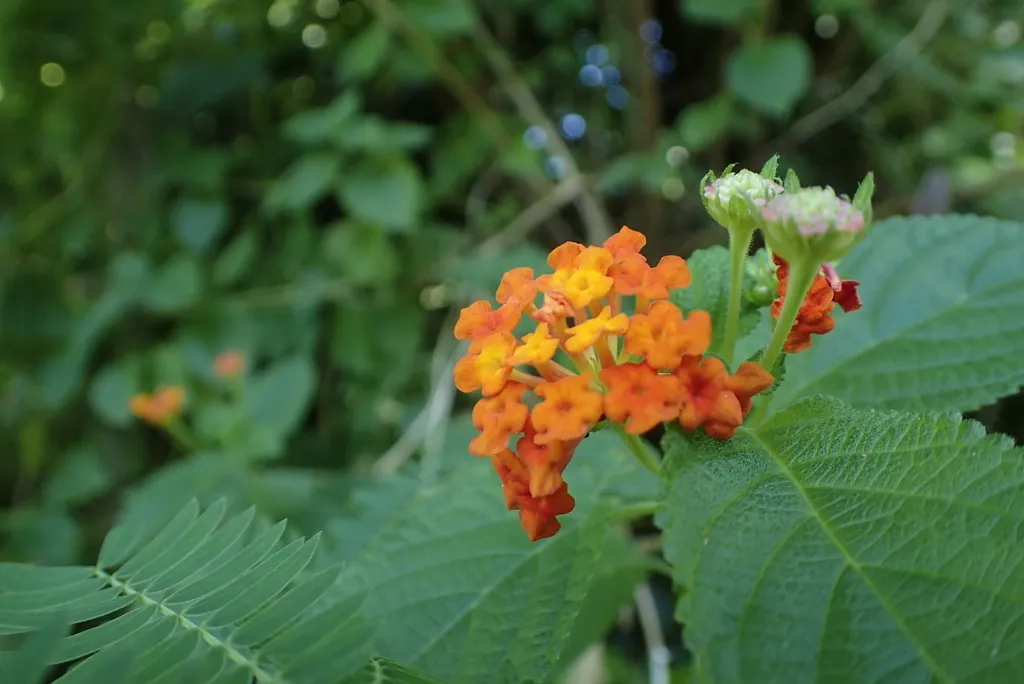
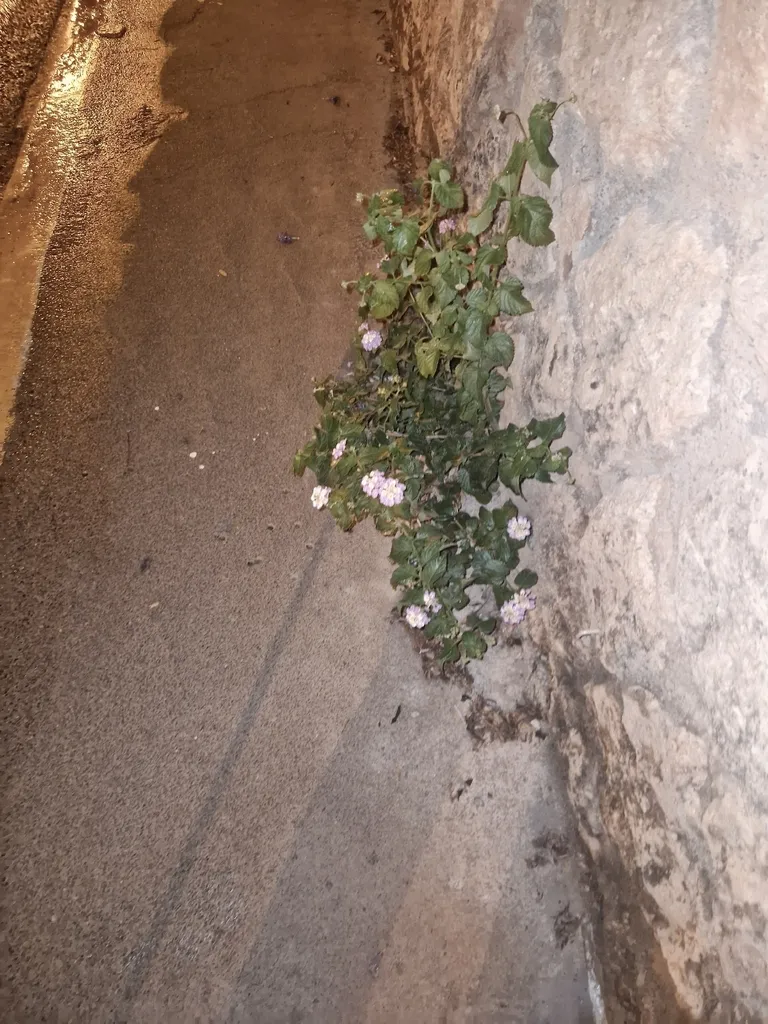
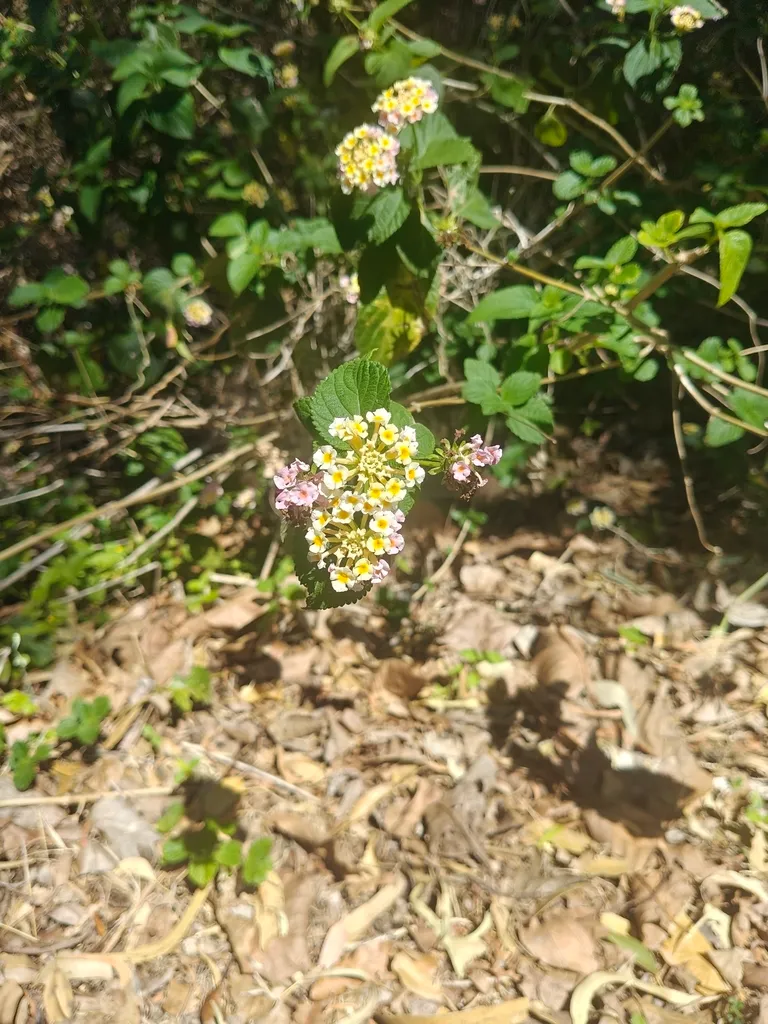
| Care difficulty | 1 / 5 |
|---|---|
| Watering schedule | Moderate regular watering, allowing brief slight drying between soakings |
| Sunlight requirements | Full sun |
| Ideal temperature | 20 – 30 °C |
| Soil type | Chalk · Clay · Loam · Sand |
| Soil pH | Acid · Alkaline · Neutral |
| Soil moisture | Moist but well drained |
| Fertilizing | Balanced perennial feed every four weeks from spring through summer |
| Toxicity | Harmful if eaten. Wear gloves and other protective equipment when handling |
How to Water yellow sage?
Common lantana is a plant that thrives in humid environments, demonstrating an impressive balance between water absorption and evaporation. Watering once every 1-2 weeks is generally sufficient to keep it healthy. Native to tropical regions, common lantana has adapted to withstand periods of heavy rainfall followed by relative dryness. As an evergreen plant, it maintains its lush appearance throughout the year, even during drier seasons.
Learn more →What Are the Sunlight Requirements for yellow sage?
Common lantana thrives in full sun conditions where it can bask in unfiltered light for the majority of the day. This optimal exposure enhances common lantana's growth, maximizes its health, and is crucial for robust flowering. Although common lantana is adaptable to partial sun, where it can still flourish, its blooming may be less prolific. In outdoor environments, common lantana should be positioned to receive direct sunlight, while indoors, a south-facing window is ideal. Common lantana has adaptive traits that allow it to adjust to varying light levels, which include leaf orientation and possibly minor color variations to optimize light absorption.
Learn more →What Is the Ideal Temperature Range for yellow sage?

Common lantana demonstrates moderate temperature resilience, tolerating fluctuations between 0℃ (32℉) and 45℃ (113℉). While common lantana thrives in warm conditions, it is susceptible to frost damage and may suffer in temperatures below 0℃. In extreme heat, wilted leaves and stunted growth indicate stress. During cold spells, leaf discoloration may occur. To mitigate temperature stress, use mulch and protective coverings in cold weather and ensure adequate watering and shading during heatwaves. These measures support common lantana's health, making it suitable for various climates while requiring attention during weather extremes.
Learn more →What Soil Is Best for yellow sage?
Common lantana does not have too many requirements in terms of soil. A fertile and air-permeable sandy soil is best, but the plant will even tolerate barren soil. Although it can adapt to most soil conditions, a slightly acidic soil with a pH between 6.5 and 7.5 is most suitable. In order to adjust the pH of the soil to increase acidity, a pine needle mulch can be added. Agricultural lime can also be used as needed. Try to avoid wet and muddy soil, as well as water accumulation after rainfall and irrigation.
- Soil type
- Chalk · Clay · Loam · Sand
- Soil pH
- Acid · Alkaline · Neutral
What Are the Moisture Requirements for yellow sage?
Moist but well drained
Learn more →How to Fertilize yellow sage?

For optimal growth, common lantana thrives with balanced, moderate fertilization. Employ a balanced N-P-K fertilizer monthly during growing season, reducing to bi-monthly in winter. Purpose: boosting blooms, vigor, and foliage health. Apply the recommended dosage, avoiding over-fertilization to prevent foliage overgrowth at the expense of flowering. Vary quantities contingent on growth phase and season, with less required during dormant winter months. Tips: water soil before fertilizing to minimize root burn and ensure even nutrient distribution. Safety tip: use gloves, as common lantana can be toxic.
Learn more →How to Prune yellow sage?

Common lantana is a vibrant shrub known for its colorful, clustered flowers. Prune common lantana in early spring to maintain shape and encourage robust growth. Remove dead or damaged branches and trim back up to one-third of the plant to stimulate new growth. Pruning also helps prevent legginess and promotes a fuller appearance. Ensure sharp, clean tools to reduce disease risk. Regular pruning enhances overall health and bloom production, making it an essential part of common lantana's care.
Learn more →How to Propagate yellow sage?

Common lantana is a robust, ornamental shrub favored for its vibrant, clustered flowers and ability to thrive in a range of environments. For successful propagation, cuttings are the preferred method. Choose healthy stems, ensuring they include several leaf nodes. Remove lower leaves, allowing only a few at the top to remain. Dip the cut end in rooting hormone to stimulate growth, then plant in well-draining soil, maintaining consistent moisture until roots establish. This technique ensures a high success rate, providing new plants that mirror the parent's characteristics.
Learn more →How to Transplant yellow sage?
The ideal season for transplanting common lantana is mid to late spring, or mid to late fall, as it ensures optimal growth. Be sure to select a sunny location with well-drained soil. As a transplant tip, remember to handle common lantana gently to prevent damage.
Learn more →How to Care for yellow sage in Winter?

Common lantana hails from tropical climates, enduring mild winters quite naturally. Its built-in winter survivability, however, is challenged in regions below USDA zone 7. In these colder locales, it requires protection against freezing temperatures. Gardeners should consider either using mulch around the base for insulation or, for smaller specimens, transporting them indoors for a cozy winter's rest.
Learn more →How to Plant yellow sage?
Indoors-potted: Ensure common lantana in a pot indoors has ample space to thrive, as its vigorous growth may require regular pruning to maintain shape. Outdoors-potted: In an outdoor pot, rotate common lantana periodically to promote even growth and prevent it from leaning towards the light source. Outdoors-in the ground: Common lantana can become invasive outdoors; consider confining the roots to control its spread while enhancing garden aesthetics.
Learn more →How to Repot yellow sage?
Repot common lantana, a vibrant bush, every 2-3 years in spring to accommodate growth. Use a slightly larger pot to allow for expansion. Post-repotting, provide bright indirect light and keep the soil moist but not waterlogged for robust recovery. Regular pruning will maintain its compact, ornamental shape and encourage blooming.
Learn more →How to Harvest yellow sage?

Very few people use the common lantana as a cut flower, simply because its leaves are smelly. If seeds are to be harvested, they can be picked after they have ripened, and can be washed with water to remove the pulp.
Learn more →Common Pests & Diseases

Diseases
May be susceptible to powdery mildews under glass
Pests
May be susceptible to glasshouse whitefly and glasshouse red spider mite under glass
Explore the plant health library →Troubleshooting
Yellowing Leaves, Root Rot, or Reduced Flowering
yellow sage (Lantana camara) responds strongly to site drainage, light intensity, and soil conditions; evaluate cultural factors before assuming a single pathogen.
| What you notice | Possible explanation | What to check next |
|---|---|---|
| Plants grow leafy stems with sparse flower clusters | Insufficient direct sunlight (less than 6 hours daily) or excessive nitrogen fertilizer | Assess daily direct sun hours and review fertilizer formula |
| Entire branch or plant wilts and turns dull brown with dark decayed roots | Root rot from poorly drained, waterlogged soil | Check site or container drainage and inspect root firmness |
- Ensure planting sites or containers have sharp drainage; amend heavy clay with organic matter or use raised beds.
- Provide full sun (at least 6 hours daily) in well-drained soil, watering moderately once established and avoiding high-nitrogen feeds.
- Water deeply at the base during dry spells rather than wetting foliage overhead.
- Prune out dead, diseased, or crossing shoots with sterilized secateurs.
Note that Lantana camara can spread aggressively via bird-dispersed seeds in warm frost-free climates; deadhead spent blooms to control seeding and extend flowering.
Sap-Sucking Pests or Foliar Mildew
Outdoor and conservatory shrubs and climbers are prone to sap-sucking insects, especially in warm sheltered spots or under glass.
| What you notice | Possible explanation | What to check next |
|---|---|---|
| Fine webbing, pale stippled leaves, whiteflies fluttering, or white powdery coating | Spider mites, greenhouse whiteflies, or powdery mildew in stagnant air | Inspect leaf undersides and crowded interior shoots |
| Distorted new shoot tips with sticky honeydew | Aphids or scale insects feeding on tender growth | Examine growing tips and woody stems closely |
- Rinse leaf undersides with a firm stream of water outdoors or wipe indoor/conservatory foliage with a damp cloth.
- Thin overcrowded interior growth where appropriate to improve airflow and light penetration.
- Apply insecticidal soap or horticultural oil strictly according to product label instructions if infestations persist, avoiding application during hot midday sun.
Do not spray broad-spectrum insecticides onto open blooms when bees and pollinators are foraging.
The Toxicity of yellow sage
Harmful if eaten. Wear gloves and other protective equipment when handling