
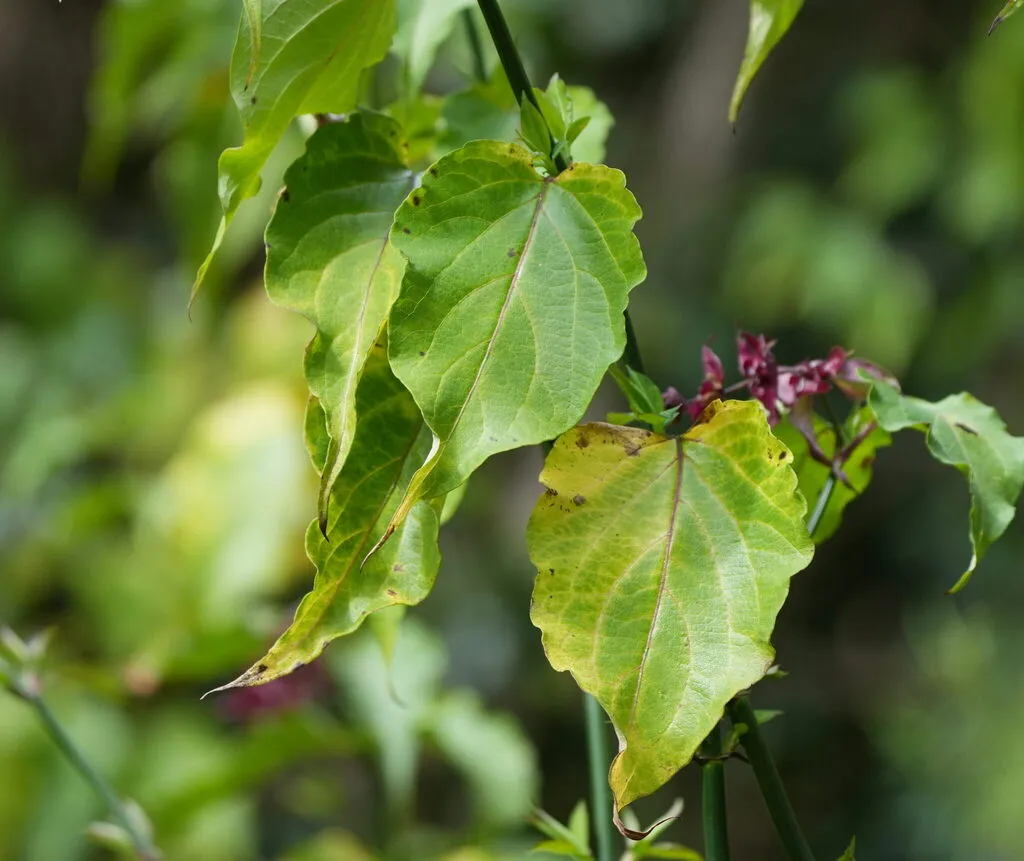



Himalayan honeysuckle

Himalayan honeysuckle · Fertilizing

Himalayan honeysuckle · Leycesteria formosa
Also known as: flowering nutmeg; granny's curls; pheasant berry

Himalayan honeysuckle is generally recognized for its low maintenance requirements, thriving in most garden environments with minimal special care. Key to himalayan honeysuckle's success is ensuring adequate moisture, although himalayan honeysuckle can tolerate short periods of drought once established. Pruning is important; annual trimming of old wood encourages new growth. Without regular pruning, himalayan honeysuckle may become leggy. Lastly, protection from strong winds is advised as himalayan honeysuckle's stems can be somewhat brittle.

Watering: Moderate regular watering, avoid prolonged drought and stagnant waterloggingSunlight: Full sun · Partial shadeFruit are ornamental - not to be eaten. Wear gloves and other protective equipment when handling

How to Fertilize Himalayan honeysuckle?

To optimize himalayan honeysuckle's growth, apply a balanced fertilizer monthly during spring and summer, reducing to bi-monthly or stopping in fall and winter. This boosts flowering and vitality. For young plants, use half the recommended dose for safety and to avoid burn. Always water himalayan honeysuckle well post-fertilization. Fertilizer overuse can damage himalayan honeysuckle, so follow guidelines precisely.