
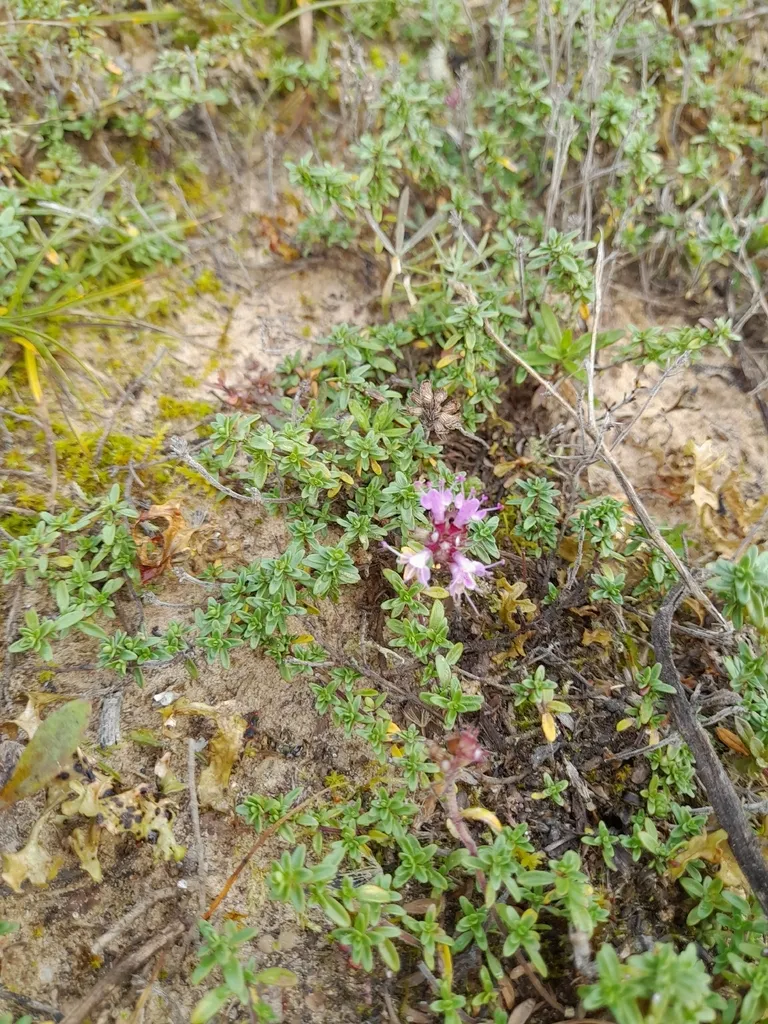



wild thyme

wild thyme · Fertilizing

wild thyme · Thymus serpyllum
Also known as: Breckland thyme; creeping thyme; mother of thyme

Creeping thyme is a hardy, perennial herb known for its low-maintenance and ground-covering abilities. Key care points include ensuring well-draining soil and full sun exposure for optimal growth. Overwatering should be avoided as creeping thyme is drought-tolerant and susceptible to root rot. Regular trimming can maintain its spreading habit and encourage denser foliage. These traits make creeping thyme an easy plant to care for, suitable for gardeners of all levels.

Watering: Moderate regular watering, allowing brief slight drying between soakingsSunlight: Full sunInformation to be completed

How to Fertilize wild thyme?

For optimal growth, creeping thyme benefits from regular fertilization with balanced nutrition fertilizers. Administering every 6-8 weeks during the growing season ensures vigorous foliage and prolific blooms. Use sparingly—excessive amounts can harm creeping thyme. Adjust amounts with plant size and season; lighter feedings in fall. Always water soil thoroughly post-fertilization to distribute nutrients and prevent root burn. Practical tip: a slow-release granular formulation simplifies application and reduces the risk of over-fertilization.