
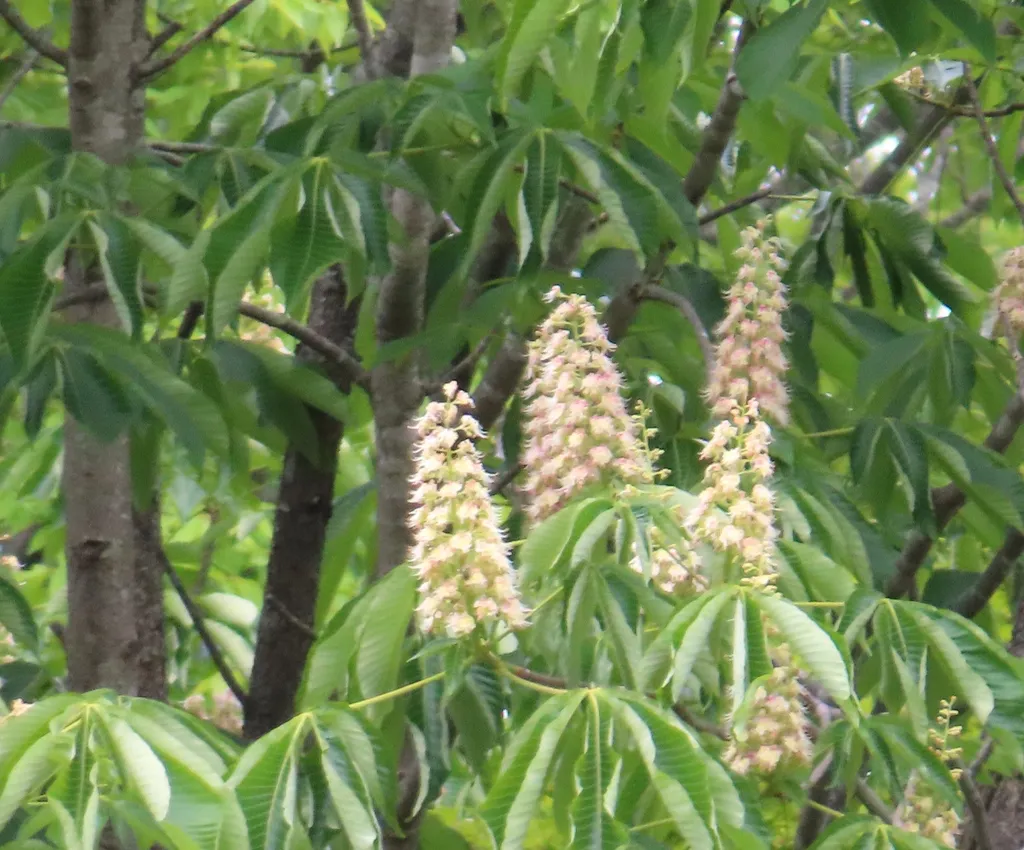



Japanese horse chestnut

Japanese horse chestnut · Pruning

Japanese horse chestnut · Aesculus turbinata

Grows best in deep, fertile, moist but well-drained soil in sun or partial shade; only suitable for large gardens. For further information, see our advice on tree cultivation

Watering: Moderate regular watering, avoid prolonged drought and stagnant waterloggingSunlight: Full sunHarmful if eaten. Wear gloves and other protective equipment when handling

How to Prune Japanese horse chestnut?

Little pruning is needed. Remove diseased, damaged, crowded or crossing shoots and unwanted growth. Timing depends on the plant: generally late winter or early spring; plants prone to bleeding and deciduous magnolias need different timing, and deciduous azaleas and lilacs are pruned after flowering.