
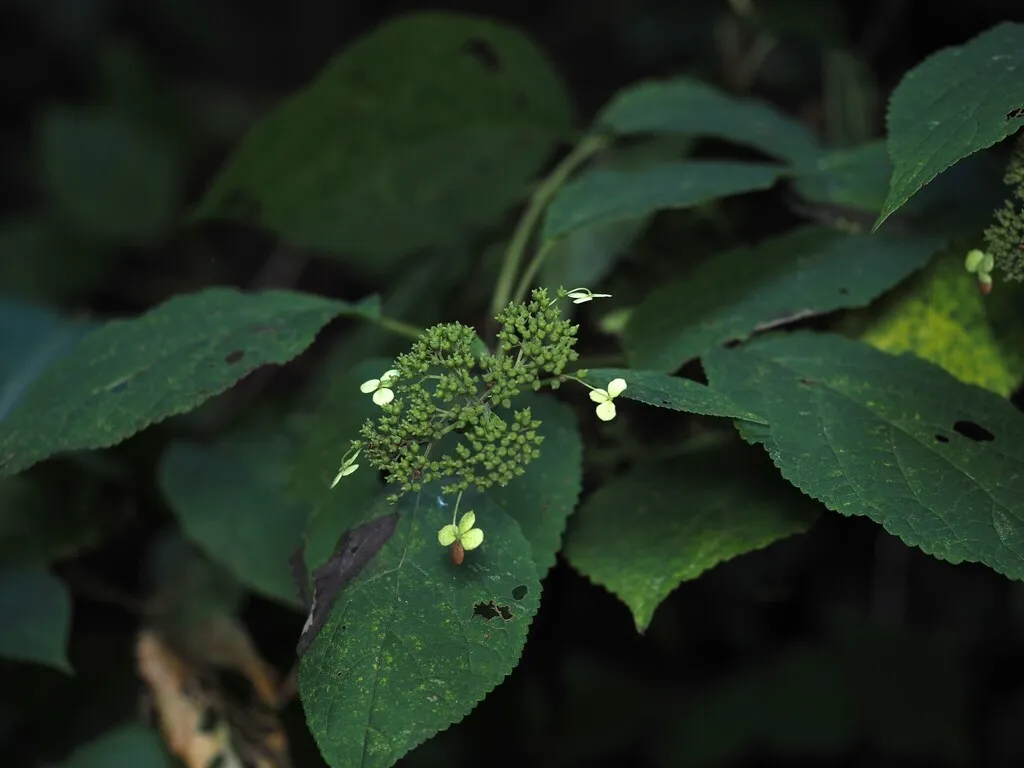



What Soil Is Best for North American wild hydrangea?

Smooth hydrangea requires soil that is rich in humus and well-drained. It likes moist soil but is not resistant to waterlogging. If the soil is heavy, coarse sand or organic fertilizer can be added to improve draining and permeability. This can also increase the organic matter content. If the soil easily dries out, cover it with organic mulch to keep it moist while maintaining ventilation. The soil pH will affect flower colors of some varieties of bigleaf hydrangea. Smooth hydrangea growing in acidic and aluminum-rich soils will bloom in blue, while in alkaline soils they bloom in pink. An appropriate amount of aluminum sulfate or lime can be added to the soil to adjust the pH if you want to control the flower color.
- Soil type
- Clay · Loam
- Soil pH
- Acid · Alkaline · Neutral