
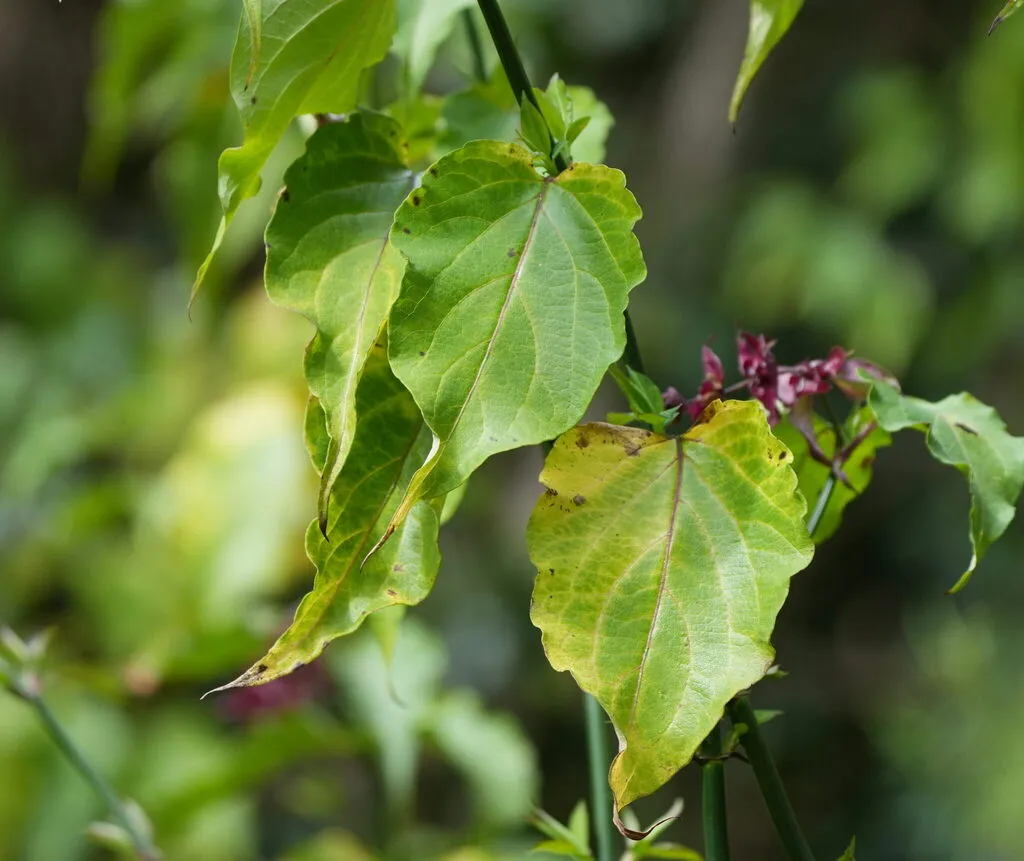



Himalayan honeysuckle

Himalayan honeysuckle · Sunlight

Himalayan honeysuckle · Leycesteria formosa
Also known as: flowering nutmeg; granny's curls; pheasant berry

Himalayan honeysuckle is generally recognized for its low maintenance requirements, thriving in most garden environments with minimal special care. Key to himalayan honeysuckle's success is ensuring adequate moisture, although himalayan honeysuckle can tolerate short periods of drought once established. Pruning is important; annual trimming of old wood encourages new growth. Without regular pruning, himalayan honeysuckle may become leggy. Lastly, protection from strong winds is advised as himalayan honeysuckle's stems can be somewhat brittle.

Watering: Moderate regular watering, avoid prolonged drought and stagnant waterloggingSunlight: Full sun · Partial shadeFruit are ornamental - not to be eaten. Wear gloves and other protective equipment when handling

What Are the Sunlight Requirements for Himalayan honeysuckle?

Himalayan honeysuckle thrives best in partial sun, which involves receiving several hours of direct sunlight but shaded for the rest of the day. Despite its preference, himalayan honeysuckle is quite adaptable, tolerating full sun environments, especially in cooler climates. Under full sun, himalayan honeysuckle may experience more vigorous growth and enhanced flowering, though there's a risk of leaf scorch in excessively hot conditions. This plant adjusts its leaf orientation to optimize light absorption, which helps maintain its health and vibrance. Outdoors, himalayan honeysuckle should be planted in a location that ensures morning sunlight and afternoon shade to meet its light condition needs optimally.