
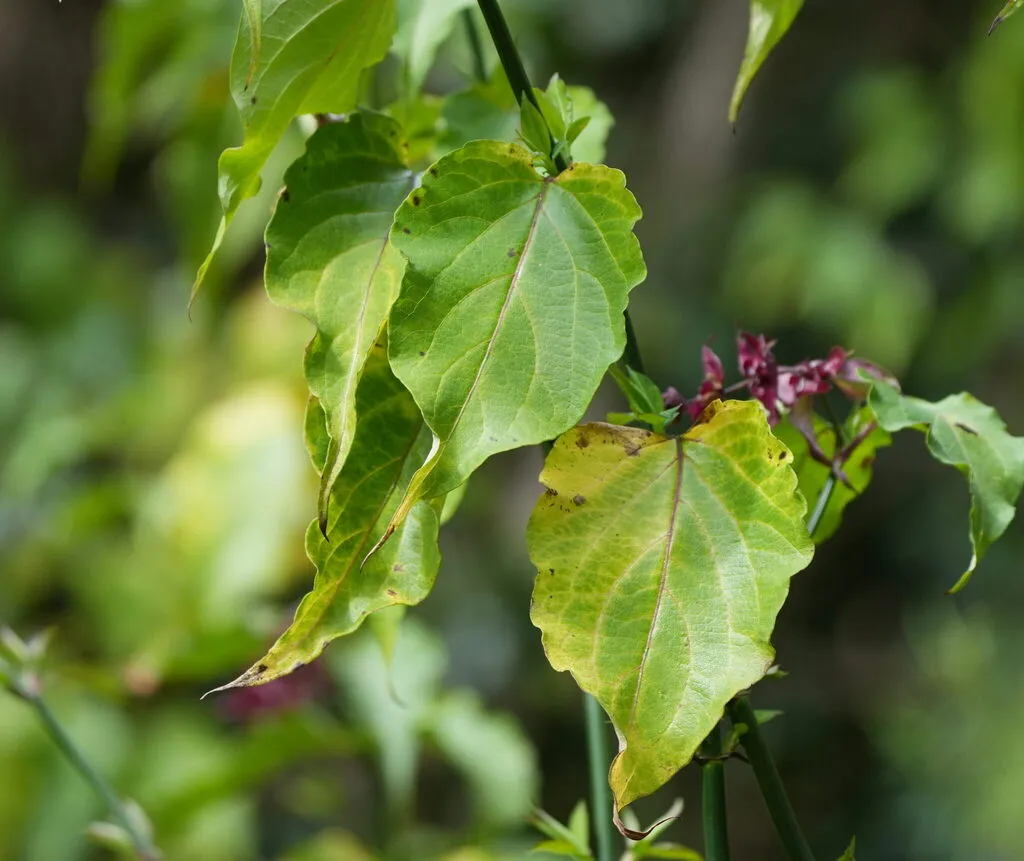



Himalayan honeysuckle

Himalayan honeysuckle · Temperature

Himalayan honeysuckle · Leycesteria formosa
Also known as: flowering nutmeg; granny's curls; pheasant berry

Himalayan honeysuckle is generally recognized for its low maintenance requirements, thriving in most garden environments with minimal special care. Key to himalayan honeysuckle's success is ensuring adequate moisture, although himalayan honeysuckle can tolerate short periods of drought once established. Pruning is important; annual trimming of old wood encourages new growth. Without regular pruning, himalayan honeysuckle may become leggy. Lastly, protection from strong winds is advised as himalayan honeysuckle's stems can be somewhat brittle.

Watering: Moderate regular watering, avoid prolonged drought and stagnant waterloggingSunlight: Full sun · Partial shadeFruit are ornamental - not to be eaten. Wear gloves and other protective equipment when handling

What Is the Ideal Temperature Range for Himalayan honeysuckle?

Himalayan honeysuckle exhibits notable resilience in varying temperatures. It tolerates cold down to 5℃ (41℉) and heat up to 43℃ (109℉). This broad temperature adaptability makes it versatile for different environments, though extreme conditions may necessitate extra care. Cold exposure below its tolerance can lead to damaged leaves and stunted growth, while excessive heat can cause wilting and leaf scorch. To counteract overcooling, consider protective coverings or relocating himalayan honeysuckle indoors. During heatwaves, regular watering and shading can mitigate overheating effects. Understanding these temperature resilience factors can help optimize its care and maintain its health.