
Planting and Growing Bachelor's Buttons (Cornflowers)
Learn how to plant and grow bachelor's buttons, striking blue flowers with round, thistle-like heads. They are low-maintenance and beloved by pollinators!
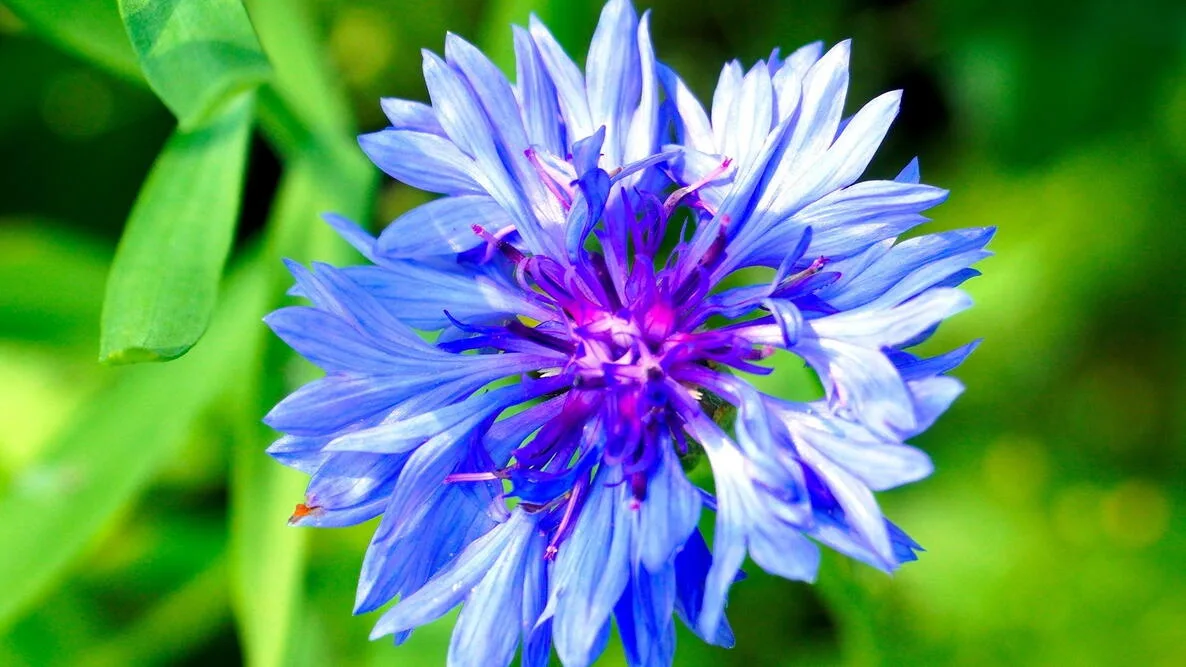
Looking for a striking blue flower to add pop and color to your garden and flower arrangements? Old-fashioned bachelor’s buttons (Centaurea cyanus), also called cornflowers, are annual flowers that are low-maintenance and beneficial to pollinators!
Learn how to plant, grow, and care for bachelor’s buttons.
Bachelor’s buttons are those small blue flowers with a round, thistle-like shape. While they are famous for their distinctive bright blue color, these flowers are now available in pink, purple, burgundy, white, and two-toned. Bachelor’s buttons are a cutting-garden and cottage-garden favorite. We find that they last as long as two weeks in the vase when properly harvested.
Late spring to early summer bloomers, bachelor’s buttons not only provide color between the spring flowers and the summer show, but they also provide food for pollinators. Bees and butterflies love them. Providing habitat for and encouraging the presence of beneficial insects is one of the best reasons to add these charming old-school flowers to your garden.
Planting
When to Plant Bachelor’s Buttons
Bachelor’s buttons can be planted in spring everywhere as soon as the soil can be worked—even before your last frost date! Warm-climate gardeners can plant seeds in early fall to help establish roots, leading to an earlier spring bloom. Bachelor’s buttons can easily be direct-seeded, but northern gardeners will benefit from starting seeds indoors if early blooms are desired.
Fall-seeded bachelor’s buttons will grow larger and have longer stems and bigger blooms when they flower in mid-spring. If fall planting, get them in the ground about 6 weeks before your first frost. They might look a little ragged, but they should perk up in spring.
Northern gardeners may wish to start some bachelor’s buttons from seed indoors about 4–6 weeks before planting out, to get a jump start on spring color. Once they have some true leaves, seedlings will tolerate some light frosts and can be planted after hardening off.
Where to Plant Bachelor’s Buttons
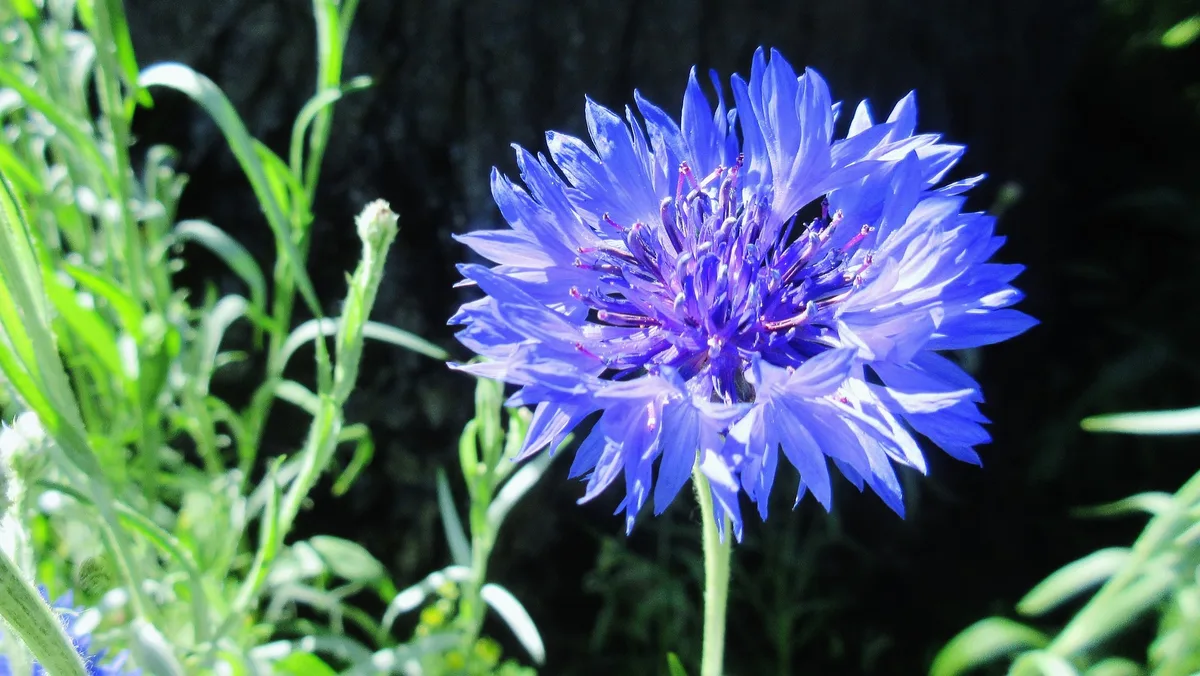
Bachelor’s buttons do best in full sun, 6 hours per day. However, if you are a hot-climate gardener, your bachelor’s buttons will appreciate afternoon shade and bloom longer into the summer. These are cool-season flowers, and they like good drainage but will tolerate relatively poor soil.
Plan to use bachelor’s buttons to best effect in massed color patches. They make a striking display in large swaths in beds or borders.
However, since they are so willing to start from seed, take the opportunity to tuck a few seeds here and there in your vegetable garden as well. You’ll add a splash of color and bring in beneficial predatory insects to take care of some garden pests for you.
How to Plant Bachelor’s Buttons
Bachelor’s buttons are easily direct-seeded and don’t usually need to be started indoors. Still, they can be started that way, which is especially helpful for northern gardeners trying to get some blooms early in the season or if the birds keep stealing your seeds from the soil.
Direct seeding (spring or fall)
- Prepare the soil bed by removing weeds, working in some compost, and raking smoothly.
- Sow ¼-inch deep, 2 inches apart. Cover lightly with soil.
- Water gently to keep the soil moist until the seeds sprout.
- Once two sets of true leaves appear, thin back to a density of one to two plants every 12 inches. Thinned plants can be transplanted to other parts of the garden or tucked into containers for a pop of color on the deck.
Starting seeds indoors
- Use cell packs, seed flats, or soil blocks. Prepare with a well-moistened seed-starting mix.
- Sow seeds about ¼-inch deep and lightly cover with soil.
- Mist the surface and cover it with a humidity dome or plastic; then place it under lights.
- At room temperature, they should germinate in 6 to 14 days. Remove the dome and keep them under lights for about 12 to 15 hours per day. Watch the temperature. If it is hot under your lights, they may suffer.
- Bachelor’s buttons started indoors will develop a better root ball if the overnight temperatures are 50–55°F.
- Harden off before planting outside, utilizing 9- to 15-inch spacing——.
Growing
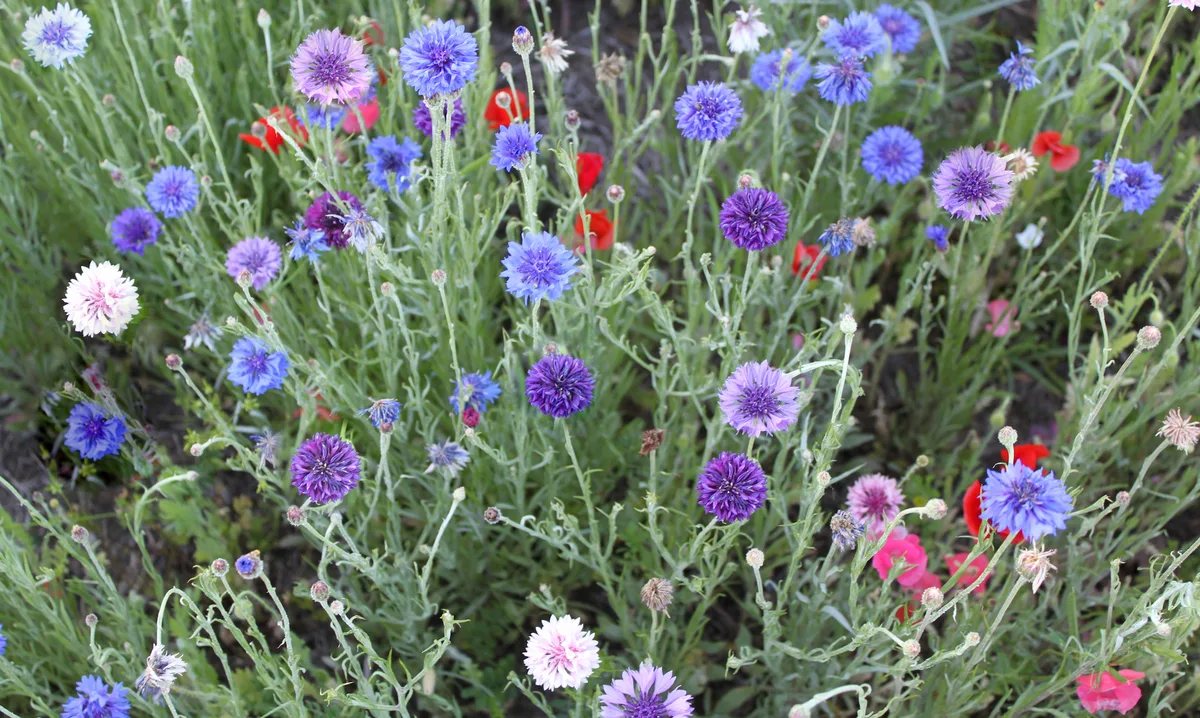
Bachelor’s buttons are easy to grow and are a great way to add contrasting colors to our flower gardens’ typical warm color palette of white, yellow, orange, pink, and red.
Watering
Bachelor’s buttons will tolerate a little dry soil, so don’t go overboard with watering. Their water needs are modest.
Fertilizing
Work some compost into the bed before planting, but don’t fertilize throughout the growing season; they don’t need it. Bachelor’s buttons will do well in less-than-perfect soil and average fertility.
Maintenance
Deadheading can encourage more blooming. After the first flush, cut the entire plant back by about a third, and you may get another spurt of growth and blooms in the early fall.
Bachelor’s buttons don’t usually need staking, but taller varieties can be susceptible to drooping over after a storm or in windy areas.
Harvesting
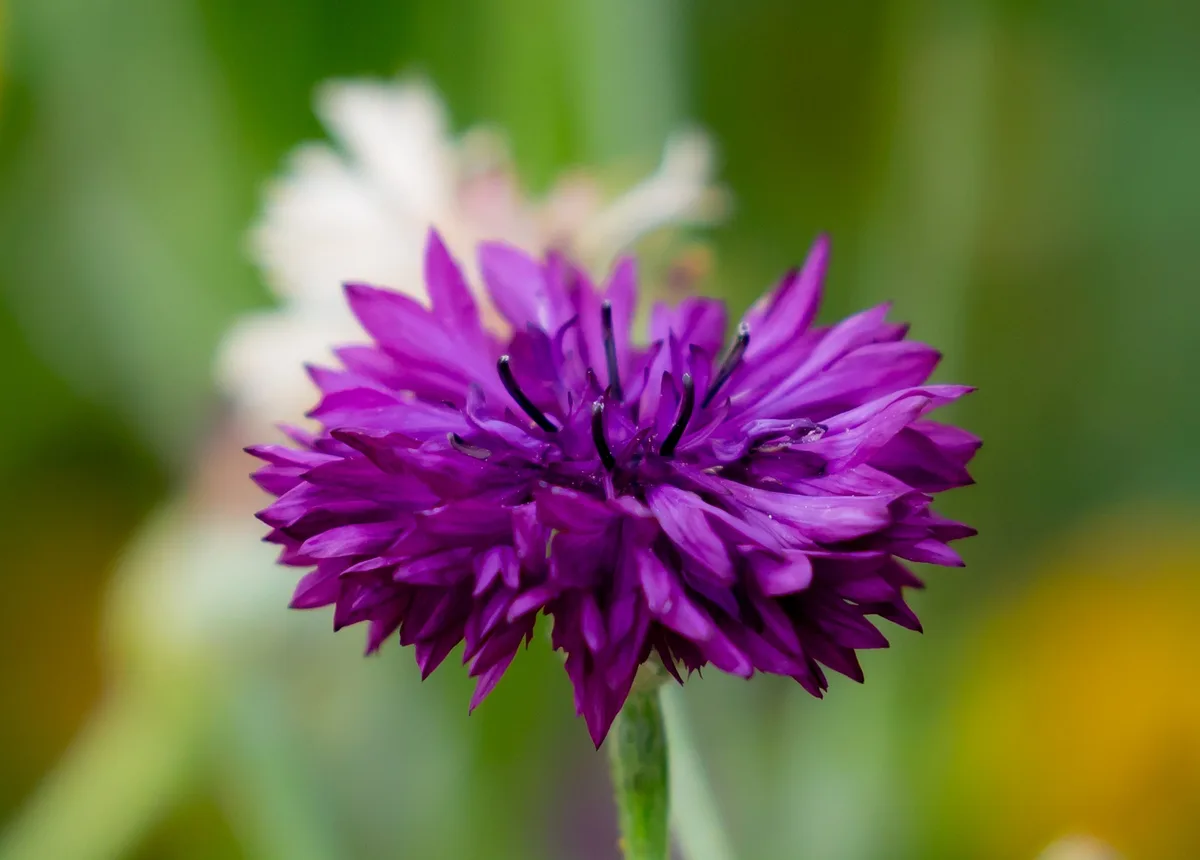
Bachelor’s buttons are an excellent cut flower, and when harvested at the right stage, they can last up to two weeks in the vase.
- Harvest individual blooms when they are about ¼ open. The color should be poking out the top, but no petals actually unfurled yet. Don’t worry. They will continue to open when cut at this stage.
- If the bloom hasn’t opened yet and resembles an unopened thistle bud, let it go for a few more days. If you cut it that early, it will not open.
- Cut deeply. The first harvest from the plant should be down to where there are only 3–4 sets of leaves remaining. This will cause the plant to grow longer stems and more of them. Afterward, cut back all the way to the main stem.
- Harvested stems should be placed immediately in a bucket of water. Don’t wait until you get back home after cutting the rest of your bouquet.
- Strip all foliage from cut stems except the top set of leaves. Cut the stem to the length needed when arranging.
Pests and Problems
- Aphids
- Grasshoppers
- Downy mildew
Types
- ‘Classic Romantic’ is a medium-sized plant with semidouble and double bicolor blossoms of pink and white.
- ‘Florist Blue Boy’ is the classic cornflower blue. It grows to about 30 inches tall.
- ‘Black Button’ sports a deep purple that is almost black—a unique color for your garden.
- ‘Classic Magic’ is a mix of almost black, lavender, white, and purple flowers that makes an excellent spring display by itself.
Wit and Wisdom
- Bachelor’s buttons are also known by the common name of cornflower because of their prevalence in cornfields in their native Europe.
- Bachelor’s buttons are not perennials but do reseed readily. Plant them in an area where you won’t mind if they come back next year.
- If you want a more natural look, scatter old seed heads all over your garden in the fall, lightly rake them in, or cover them with a sprinkling of dirt to keep the birds away. Then, in the spring, bachelor’s buttons will pop up randomly.
- Bachelor’s button flowers are edible! Use them to decorate desserts or add to a salad.