
How to Plant and Grow Bacopa Flowers
Learn how to grow bacopa flowers! Discover tips on planting, care, and watering for vibrant blooms in containers, baskets, or as groundcover.
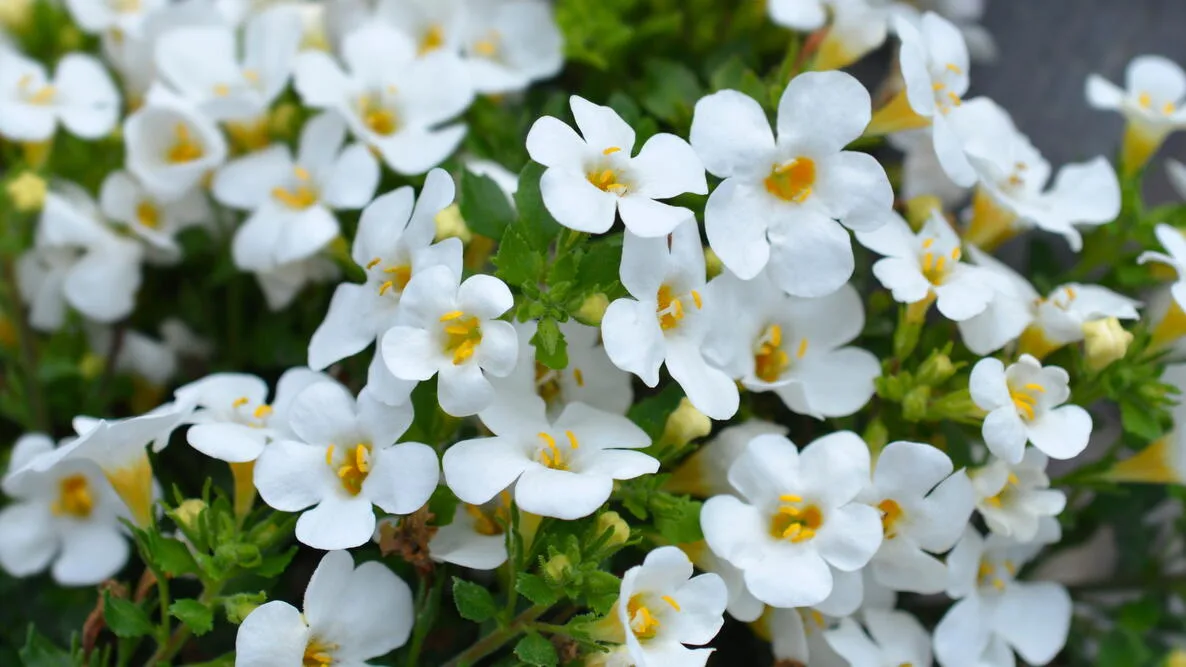
Bring a cascade of color to your garden with bacopa! Whether spilling from a hanging basket or brightening a flower bed, this easy-to-grow annual delivers long-lasting blooms with minimal fuss.
In this guide, you’ll learn everything you need to know about planting, caring for, and enjoying bacopa all season long.
Let it snow! The Chaenostoma cordatum, aka Sutera cordata, cultivar ‘Snowflake’ offers a blizzard of crisp, white, five-lobed flowers and evergreen foliage on lush, trailing stems. A South African native, what we know today as C. cordatum has been the subject of a number of genus reassignments and common name changes since the early part of the 19th century and has been known at one time or another as Sutera diffusus, Bacopa cordata (which is technically incorrect, inasmuch as Bacopa is the genus for water hyssop), and simply “bacopa.”
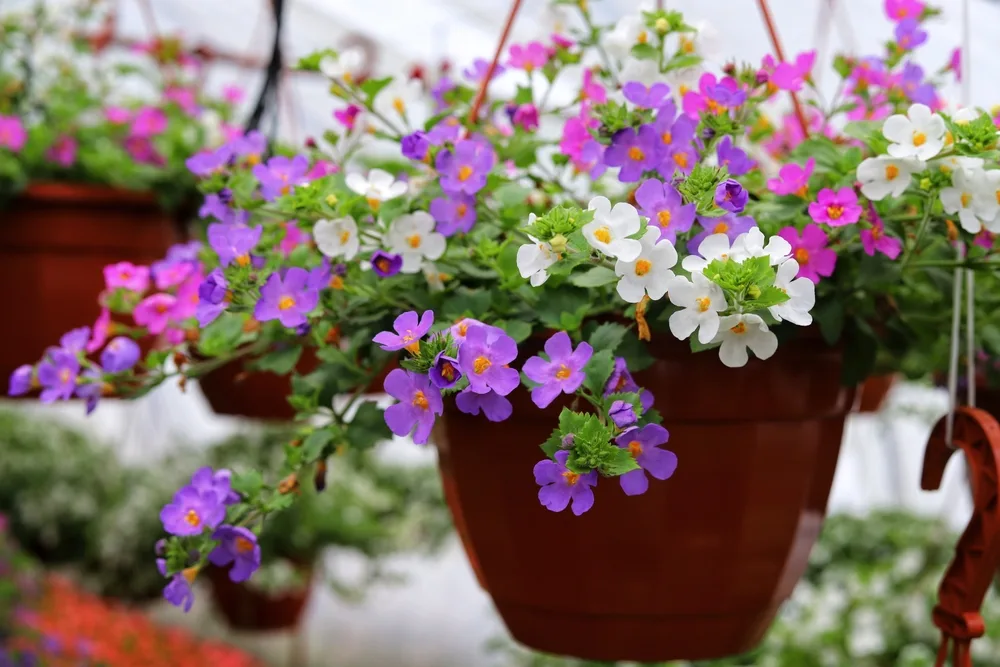
This fast-growing plant blooms abundantly from late spring to first fall frost in sun, with adequate water. Although best known for its white flowers, bacopa also has cultivars that produce flowers in blue, pink, and purple. Bacopa is also grown as a groundcover.
C. cordatum is a winter annual or perennial in Zones 9 to 11 and treated as an annual elsewhere.
Planting
Bacopa is a versatile and rewarding plant to grow, especially for gardeners looking to add trailing color to containers or groundcover to flower beds. While bacopa can be propagated from cuttings, it’s often easier and more reliable to purchase starter plants or nursery transplants, especially for first-time growers.
Where to Plant Bacopa
Bacopa isn’t fussy about soil pH, but it does demand excellent drainage. Soggy soil or standing water can quickly lead to root rot, so avoid heavy clay and compacted areas. A light, well-draining soil enriched with compost or organic matter creates the ideal environment for root development.
Place bacopa where it receives full sun to partial shade—at least 4 to 6 hours of sun daily for the most abundant flowering. Space transplants about 8–12 inches apart to allow room for spreading stems and airflow, which reduces the risk of mildew.
Container and Hanging Basket Planting
If you’re planting bacopa in containers or hanging baskets, use a high-quality potting mix amended with compost or aged organic matter to boost moisture retention without compromising drainage. Be sure your pot or basket has drainage holes, and consider mixing in perlite or sand for added airflow at the root zone.
Growing
Watering
Consistent moisture is key to happy bacopa. Water generously and regularly, especially in containers and hanging baskets, which dry out more quickly. Bacopa does not tolerate complete dryness; allowing the soil to dry out even briefly can result in flower and bud drop. If this occurs, don’t panic—resume a consistent watering schedule, and blooms should return within 2 weeks.
Feeding
To support constant flowering, feed bacopa with a balanced liquid fertilizer (10-10-10) every 1 to 2 weeks during the growing season. Container-grown bacopa benefits especially from routine fertilizing, as nutrients leach out more quickly from pots.
Maintenance and Pruning
Bacopa is self-cleaning, so deadheading isn’t necessary—a huge time saver! However, if the plant becomes leggy or sparse, you can give it a light trim to encourage fuller growth. Occasionally, remove any dead or damaged stems under the foliage to improve air circulation and overall appearance.
Pests and Problems
Diseases: Botrytis blight, Phytophthora crown and root rot, powdery mildew, viruses.
Pests: aphids, thrips, whiteflies
Types
- Chaenostoma cordatum ‘Blue Showers’: lavender-blue flowers
- C. cordatum MegaCopa series ‘Pink Shine’: large pink flowers
- C. cordatum Snowstorm series ‘Giant Snowflake’: large (12 inch), white flowers; vigorous grower
- C. cordatum Snowstorm series ‘Snow Globe’: large white flowers
Wit and Wisdom
- The Bacopa genus, commonly known as water hyssop, includes more than 70 aquatic plants that are typically found growing in moist areas such as marshes, bogs, and water gardens and along streams and rivers. Its members have white flowers and small, relatively thick, succulent evergreen leaves.
- ”Bacopa monnieri (often called brahmi) is a botanical frequently used in Ayurvedic medicine,” explains Eric A. Walker and Mark V. Pellegrini.