
How to Grow Forget-Me-Nots: Planting, Care, and Blooming Tips
Grow forget-me-nots! These charming blue flowers thrive in moist soil and partial sun. Learn planting, care, and blooming tips for your garden.
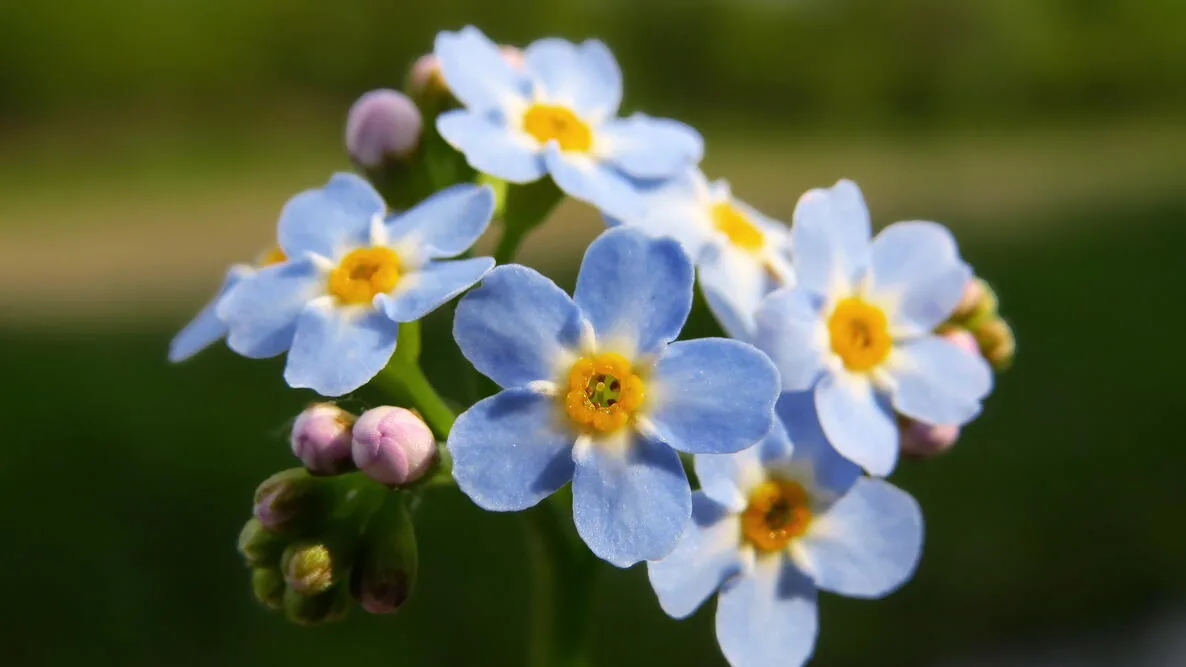
True-blue and tough to forget! The charming forget-me-not (Myosotis) is more than just a pretty face—it’s a hardy, long-blooming perennial that carpets your garden with clouds of sky-blue flowers.
Loved by pollinators and gardeners alike, these blooms bring a storybook touch to shady corners and beds. Here’s how to plant and grow forget-me-nots so they’ll keep coming back year after year.
The genus name Myosotis is derived from two Greek words, mys, meaning mouse, and ous, meaning ear, referring to the shape of the flower petal, which has a rounded shape with a rounded notch in the center.
This perennial plant’s natural habitat is near marshes, bogs, river banks, woodlands, and wet places, so it prefers wet to moist conditions in full to partial sun. They can also tolerate cold conditions.
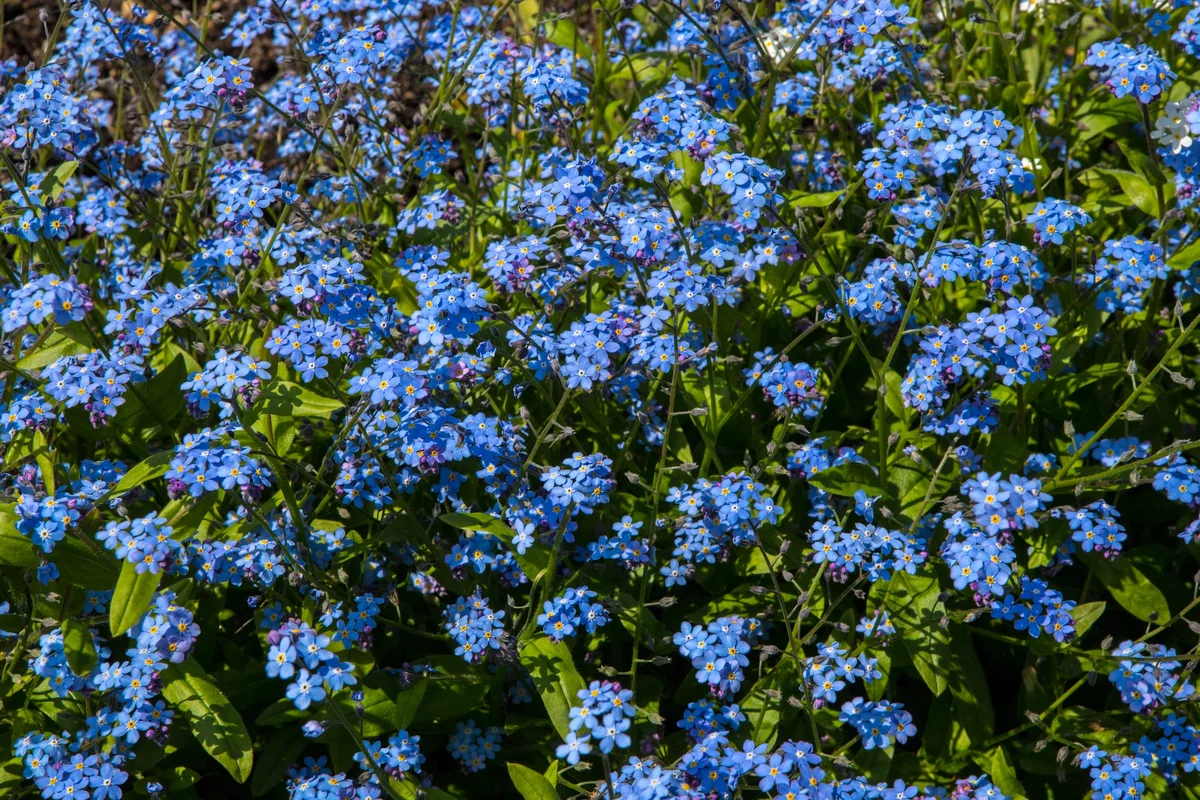
In the yard and garden, these charming light blue blossoms look best in large masses as ground cover or as a carpet of flowers in partial-shade spots. They’ll also grow in flower beds and containers. Both butterflies and bees are attracted to these blue and yellow beauties, which may bloom from May through October.
Note: Please note that forget-me-nots are invasive in some areas. Otherwise, plants will spread by creeping rhizomes, but are not overly aggressive. Pinch young plants to promote bushiness.
Planting
How to Plant Forget-Me-Nots
These flowers are very easy to grow. They have two main requirements:
- Grow in a location with partial shade.
- Moisten the soil before sowing the seeds.
In colder regions, sow seeds outdoors close to the last frost date in spring. You can start seeds indoors 8 to 10 weeks before the last frost date.
In warmer regions, sow seeds in the fall for spring blooms.
Growing
How to Grow Forget-Me-Nots
- After seedlings appear, add mulch around the plants.
- Water regularly to keep the soil moist.
- Apply a granular slow-release fertilizer to the plants in early spring.
- Deadhead spent flowers for continued bloom through the summer.
- Leave the flowers on the plant if you want the forget-me-nots to reseed.
Pests and Problems
- Aphids
- Flea beetles
- Snails/slugs
Types
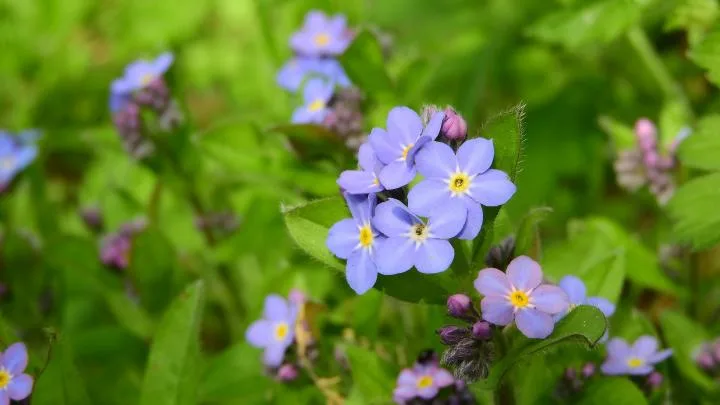
Myosotis sylvatica is the common biennial forget-me-not with hairy leaves. It’s also known as the woodland forget-me-not.
- ‘Rosylva’ has pink flowers.
- ‘Victoria Rose’ blooms early with small pink flowers.
M. scorpiodes is similar to the common forget-me-not. It is a true perennial and will bloom year after year. One-quarter-inch bright blue flowers with yellow centers appear in late spring or early summer and will bloom into late summer.
M. alpestris, the hardy alpine forget-me-not, is a short-lived dwarf perennial growing to 6 inches tall. Blooms are blue, pink, or white.
Wit and Wisdom
- In the language of flowers, forget-me-not’s meaning is “true love memories.”
- Forget-me-not seed packets are popular handouts and giveaways for funeral services and remembrances.
- Its name comes from a tale about a 15th-century German knight. While picking these blossoms for his beloved, he fell into a river and drowned, but not before tossing his ladylove the bouquet and crying, “Vergiss mich nicht!” (“Forget me not”).
- Plants of the genus are commonly confused with Chatham Islands’ Forget-Me-Nots that belong to the related genus Myosotidium.
- The forget-me-not is the state flower of Alaska.