
Planting and Growing Parsley
Learn how to grow parsley at home with this complete guide. Discover planting tips, growing advice, and harvesting tricks for fresh, healthy parsley all season.
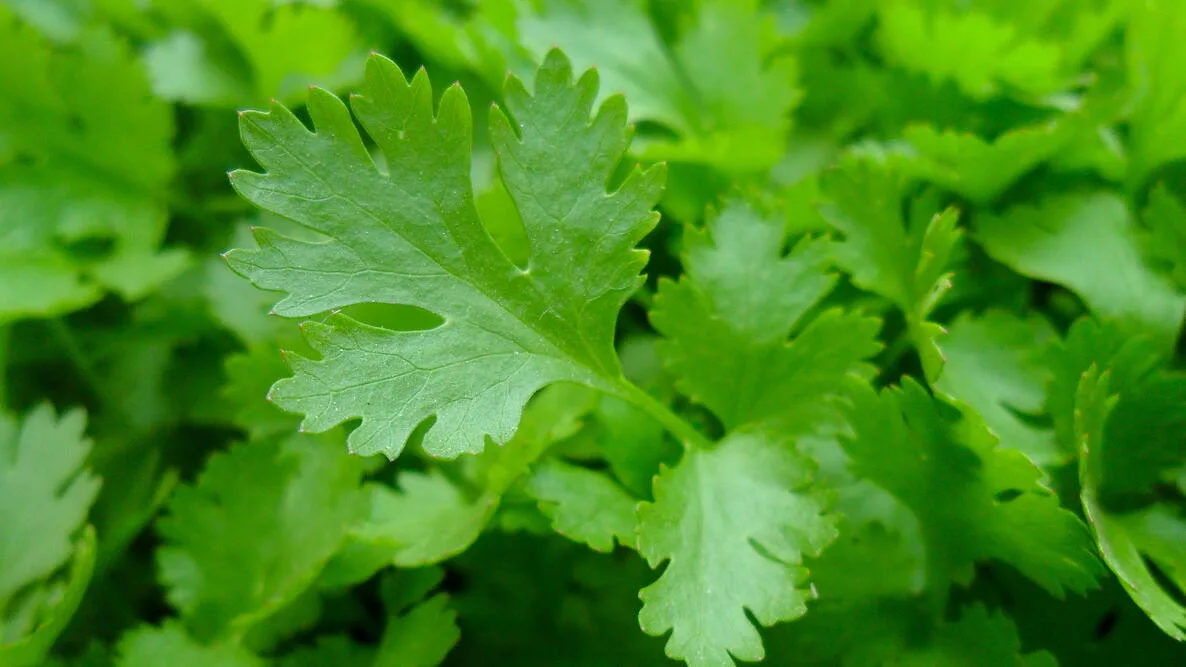
Parsley: it’s not just a pretty garnish anymore! This humble herb pulls double duty—brightening your plate and your garden.
Whether you’re sprucing up soups or sowing seeds for the first time, parsley is a flavor-packed, foolproof favorite for gardeners of all levels. Let’s dig in!
This popular herb is used in sauces, salads, and especially soups, as it lessens the need for salt. Not only is parsley the perfect garnish, but it’s also good for you; it’s rich in iron and vitamins A and C!
Native to Mediterranean Europe, the parsley plant (Petroselinum crispum) is a biennial but is usually grown as an annual in home gardens. After the first year, the leaves tend to become more bitter and tough, but the plant will gladly reseed itself in temperate zones.
Planting
When to Plant Parsley
Parsley seeds can be started indoors or sown directly in the garden. However, the taproot of parsley plants is delicate, so take extra care if transplanting!
- For a head start, plant seeds in individual pots indoors 6 to 8 weeks before the last spring frost date.
- Sow seeds outdoors 3 to 4 weeks before the last spring frost, as parsley is a slow starter.
- For the best germination, soil should be around 70ºF (21°C), though parsley seeds will germinate in temperatures as low as 50ºF (10ºC). Learn how to warm your soil in the spring.
Where to Plant Parsley
Pick a spot that gets full sun (6+ hours of sunlight) and has well-draining soil that’s rich in organic matter. This herb needs more fertile soil than most herbs. Soil pH should ideally be around 6.0—slightly acidic.
Try to also choose an area that is weed-free; it’ll be easier to see the parsley sprouting.
How to Plant Parsley
- The germination rate of parsley seeds tends to be low, so consider soaking the seeds overnight before sowing to improve your chance of success.
- Sow parsley seeds 1/4 inch deep.
- Sow seeds about 6 to 8 inches apart. For larger plants, sow about 8 to 10 inches apart.
- Be sure to keep the soil moist while the seeds germinate.
- It can take 2 to 4 weeks for seedlings to appear.
- Tip: Plant radish seeds in the gaps between parsley seeds. The radishes will sprout and grow before the parsley appears, and the radishes will mark the row.
- Indoors, you can use a grow light to help seedlings grow. Make sure it remains at least 2 inches above the leaves at all times.
Growing
Watering
Be sure to keep parsley plants sufficiently watered, especially through the heat of summer. Push your finger 1 inch into the soil; if it feels dry, it is time to water
Mulching
Lightly mulch around the plants to conserve moisture.
Harvesting
- When the leaf stems have at least three segments, parsley is ready to be harvested.
- Cut leaves from the outer stems of the plant whenever you need them. Leave the inner portions of the plant to mature. Ideally, allow 2 to 3 weeks for regrowth between major harvests.
- If you want fresh parsley throughout the winter, replant a parsley plant in a pot and keep it in a sunny window.
How to Store Parsley
- One method of storing the parsley fresh is to put the leaf stalks in water and keep them in the refrigerator.
- Another method of storage is drying the parsley. Cut the parsley at the base and hang it in a well-ventilated, shady, and warm place. Once it’s completely dry, crumble it up and store it in an airtight container.
Pests and Problems
- Aphids
- Stem rot
- Leaf spots
- Carrot fly and celery fly larvae
Parsley is a favorite of black swallowtail butterfly caterpillars as well.
Types
- Flat-leaf varieties: Use in cooking because they have better flavor and are easier to work with than curly-leaf parsley
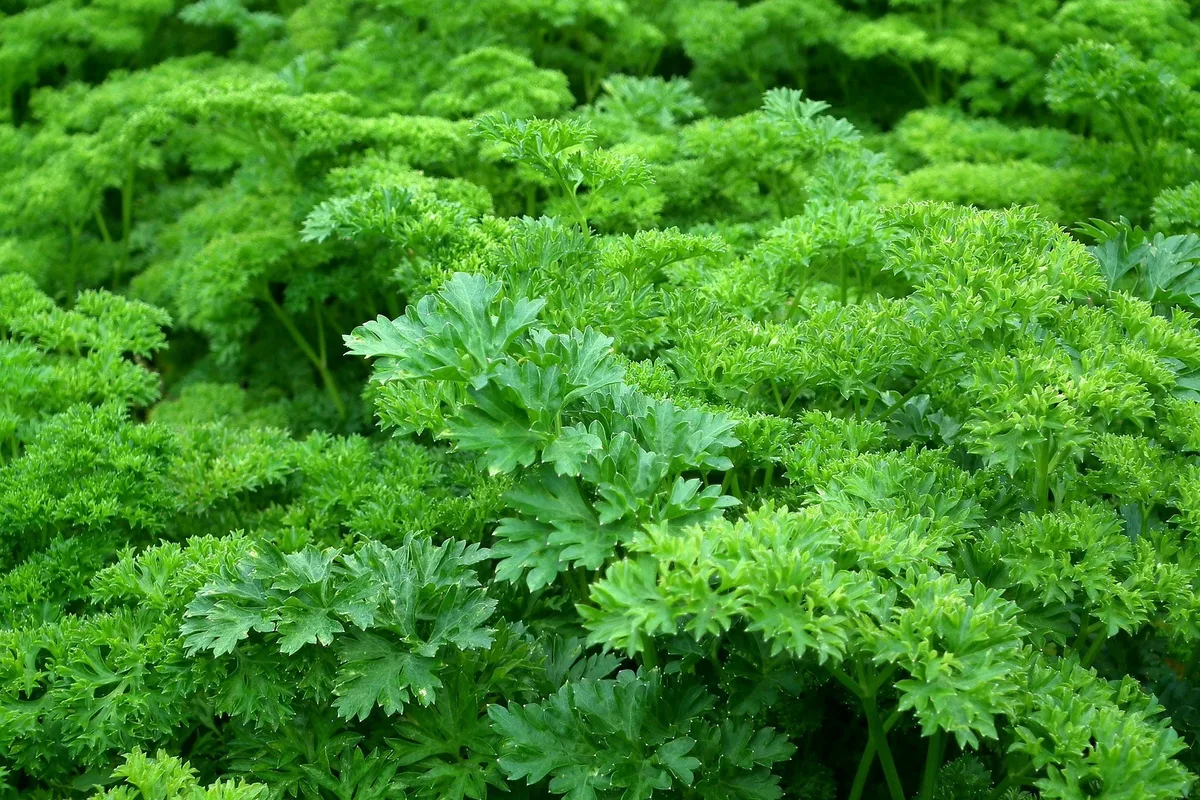
- Curly-leaf varieties: Use when you want a fancier garnish
Wit and Wisdom
- Add a parsley infusion to bathwater to soothe and cleanse.
- In the language of flowers, parsley symbolizes festivity.