
Spider Plant Care: How to Grow and Propagate This Easy Houseplant
Learn how to grow spider plants indoors! Discover the best tips for watering, lighting, propagating baby "spiderettes," and keeping pests away.
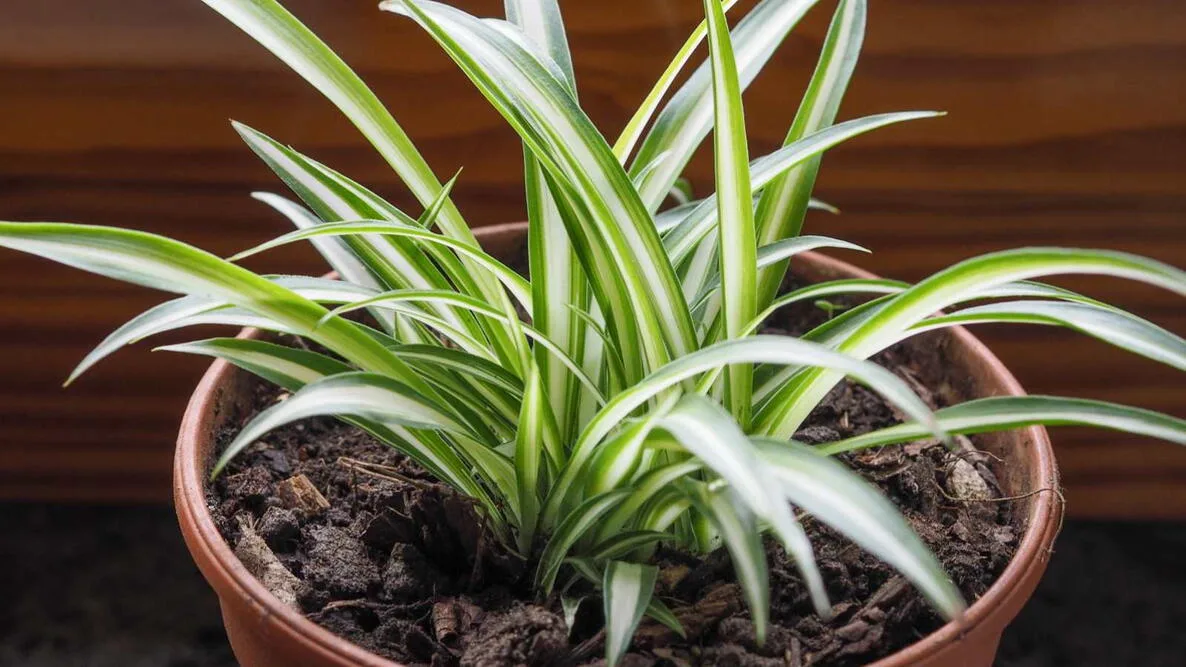
Looking for a low-maintenance, high-style houseplant? The spider plant (Chlorophytum comosum) is your go-to green buddy. With its ribbon-like leaves and adorable baby “spiderettes” dangling like plant jewelry, this Victorian-era favorite brings a touch of charm to any room, especially when cascading from a hanging basket.
From watering do’s and don’ts to multiplying your plant family with easy propagation, here’s everything you need to know to keep your spider plant thriving year-round!
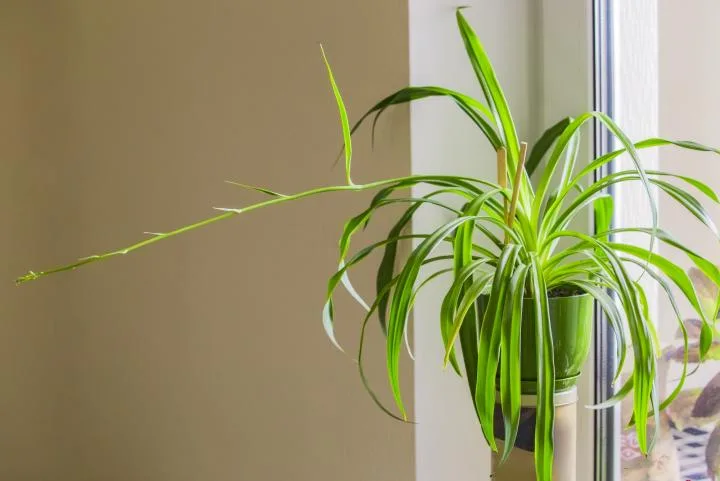
During the summer, spider plants may produce tiny white flowers on long stems, as well as baby spider plants (offsets) called pups. The pups look like tiny spiders, hence the plant’s name!
NASA once highlighted spider plants for their reported air-purifying ability, though a large number of plants would be required to reap any benefits in the home. Nonetheless, they are a classic and attractive plant to add to your space, and every little bit helps! Learn more about air-purifying houseplants.
Planting
- Grow in a soil-based, well-draining potting mix. Spider plants like even moisture; they don’t like to be too dry or too wet.
- Keep plants in bright to moderate indirect sunlight. Spider plants do not appreciate direct, hot sunlight, which can burn their leaves, causing brown tips and spots.
- Spider plants grow fairly quickly and can easily become pot-bound. Plan to repot a spider plant about every other year.
- Spider plants can be grown outdoors as annuals during the summer. They look especially good along the edge of a container or bed, as long as they are kept out of direct sunlight.
Growing
- During initial growth, water occasionally; once fully developed (within one year), water moderately.
- In the spring and summer months, keep the soil moist to encourage growth. Do not let the soil dry out too much.
- Maintain average room temperature and humidity. Spider plants prefer temperatures between 55° and 80°F (13° to 27°C), which makes them a great indoor houseplant.
- Fertilize twice a month in the spring and summer; however, avoid overfertilization.
- See more Houseplant Growing Tips.
Harvesting
Healthy spider plants may eventually produce pups, offshoots from the adult plant that can be removed and replanted to start new plants. For the best results, allow pups to reach approximately 2 inches in diameter before removing them from the mother plant.
Alternatively, set the still-attached pups into pots of soil placed next to the mother plant. Once the pups have rooted themselves into the soil, they can be cut loose from the mother plant.
Learn more about propagating spider plants and other houseplants to share with your friends.
Pests and Problems
- Spider plants are prone to tip burn, which can be caused by dry soil, low humidity, or a buildup of salt and chemicals found in some public tap water. Keep the soil slightly moist. Avoid watering with fluoridated or chlorinated water, and cut off brown tips if they do occur.
- To get rid of the brown discs on the leaves, use your fingernail to scrape off the brown residue every few days.
- Mealybugs and Scale
Types
- The most common varieties are the variegated forms:
- ‘Vittatum’ has green foliage with a single off-white stripe down the center of each leaf.
- ‘Variegatum’ is the inverse of ‘Vittatum’, with an off-white stripe running along the edge of each green leaf.
- Solid green varieties are also available.
Wit and Wisdom
- Spider plants also go by the names airplane plant, ribbon plant, and spider ivy.
- Spider plants are originally from South Africa.
- Keep spider plants on your desk to reduce indoor pollutants. Check out other great ideas for houseplants to bring to the office.
- A favorite among veterinarians, spider plants are safe for cat-friendly and dog-friendly households. Learn about more cat-safe indoor plants.