Pest
Ants
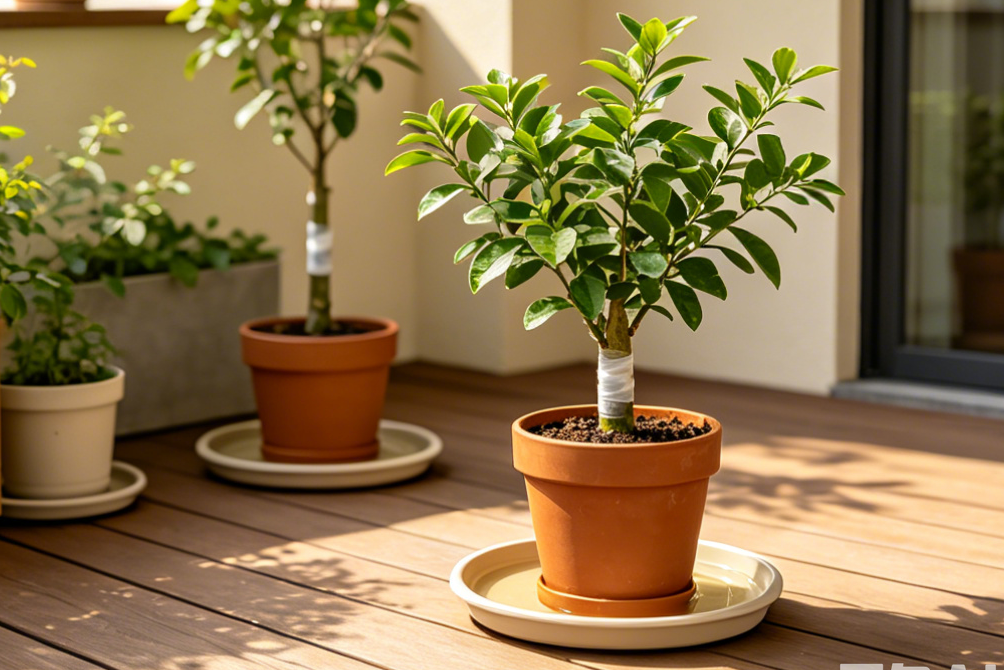
Ants nesting in pots, forming trails on stems
Overview
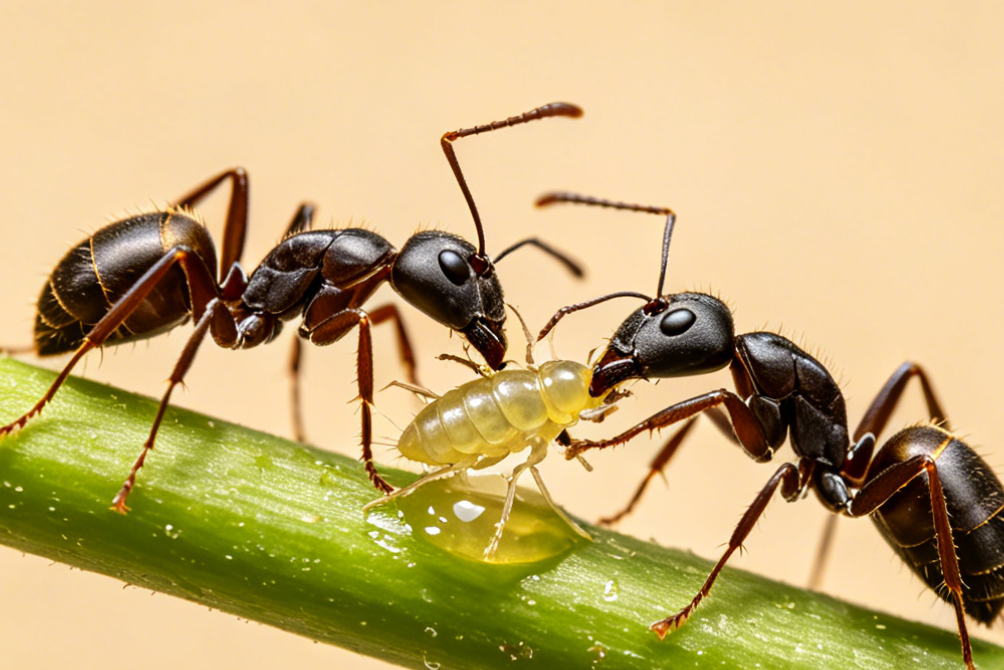
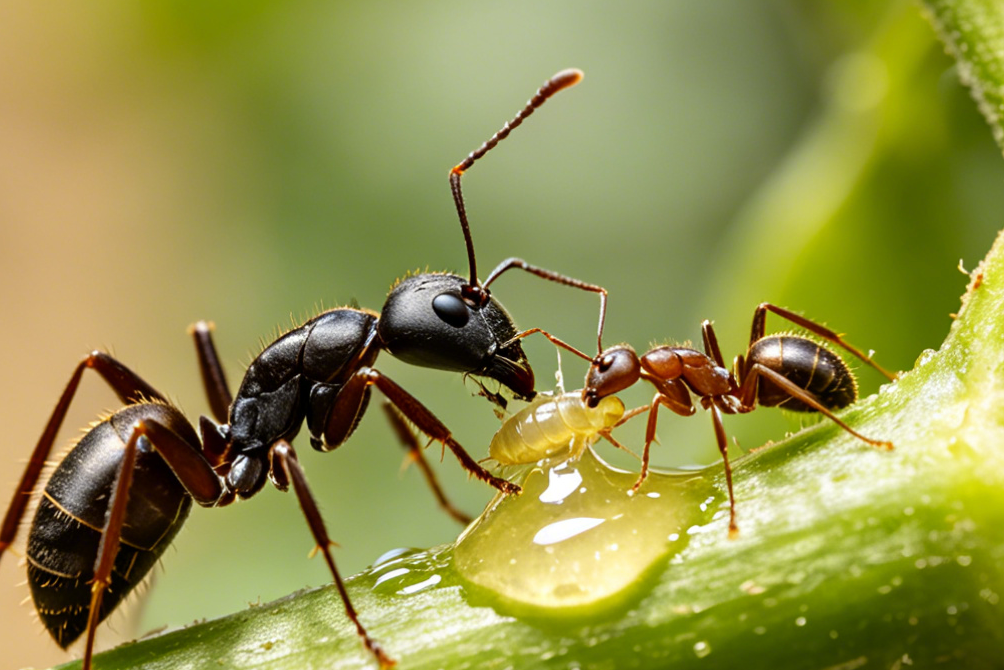
Ants do not directly harm plants, but their presence usually indicates a honeydew-producing pest problem (aphids, scale insects, or whiteflies). Ants feed on the honeydew these pests excrete and actively protect the pests — driving away natural predators and even moving aphids to fresh shoots. Ants nesting in pots also disturb soil and roots, affecting plant growth.
Symptoms
Large numbers of ants crawl up and down stems, forming visible ant trails. Small raised soil mounds on the pot surface indicate ant nesting activity. Check the plant for concurrent aphids, scale, or other honeydew-producing pests. Ants appear only on the plant and not elsewhere in the room — the nest is in the pot.
Treatment
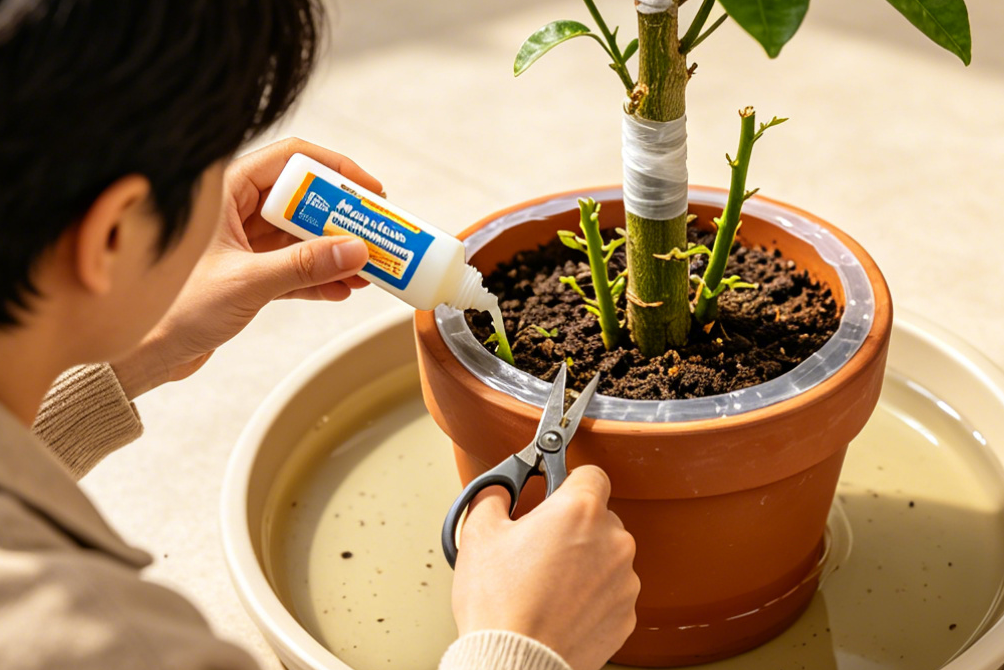
First, place boric acid sugar bait (boric acid + sugar + water at 1:10:100) along ant trails. Fill the pot saucer with water to create a moat that prevents ants from climbing. If the nest is in the pot, repot with fresh soil to eliminate it completely. Critically, simultaneously treat the honeydew source (aphids/scale/whiteflies).
Prevention
Keep the pot rim and saucer clean — no food residue or sugar spills. Promptly control aphids and scale to eliminate the honeydew source. Use ant-proof pot bases or apply a petroleum jelly ring around the pot base. Avoid using outdoor soil that may contain ant colonies.