Leaf
Black Spot
Caused by fungal or bacterial infection
Overview
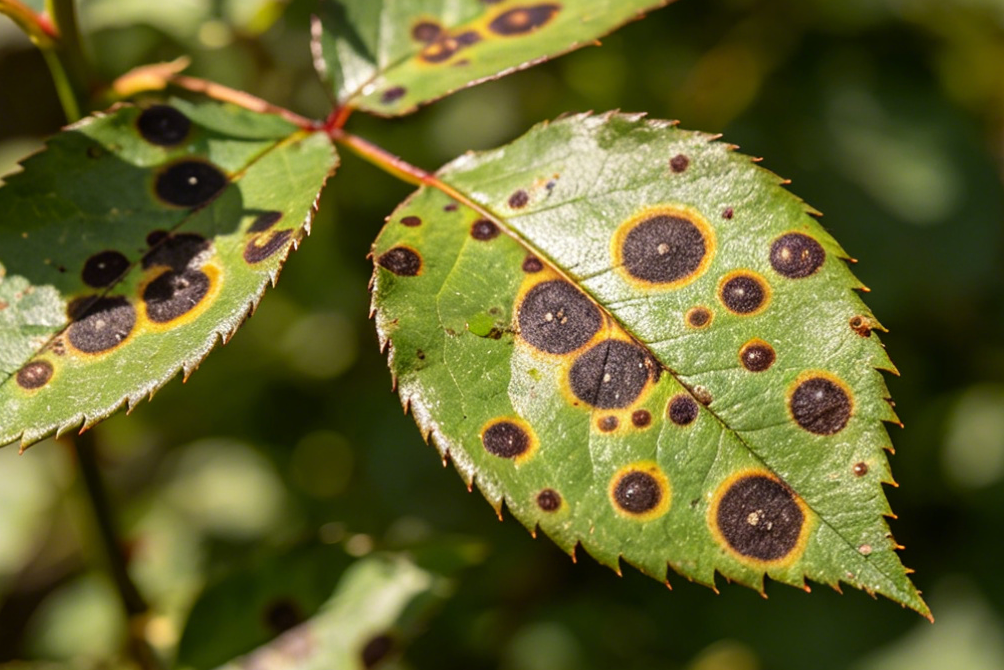
Black spot is one of the most common leaf diseases, primarily caused by fungi (such as leaf spot fungi) or bacteria. Hot, humid, and poorly ventilated conditions are the most conducive environment. It starts as tiny brown pinprick spots that enlarge into circular or irregular black lesions, eventually causing leaves to yellow and drop.
Symptoms
Initial brown water-soaked dots appear on leaves, gradually enlarging into dark brown to black spots 2-10mm in diameter, sometimes with yellow halos. In severe cases, multiple spots merge into large necrotic patches, causing premature leaf yellowing and drop. Check the leaf underside — fuzzy mold indicates fungal infection, while greasy lesions suggest bacterial disease.
Treatment
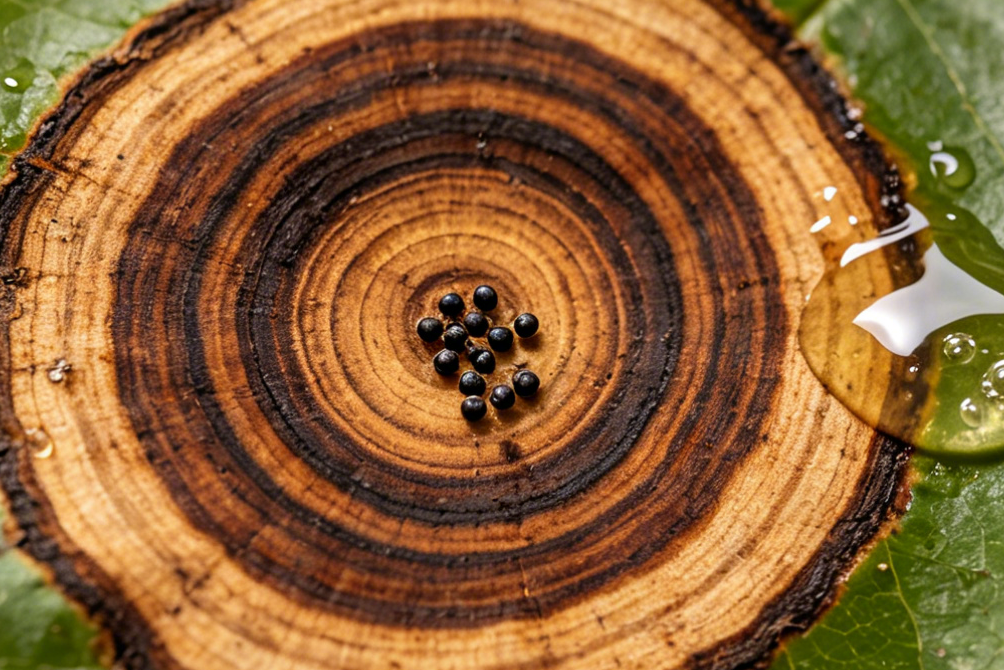
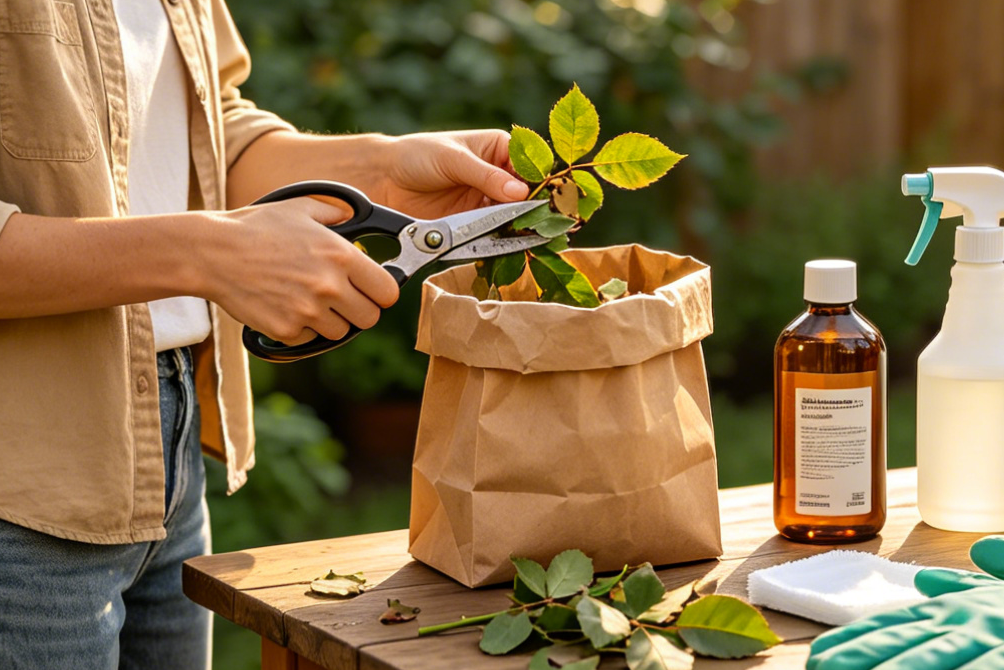
Immediately remove and discard infected leaves, disinfecting scissors with alcohol between cuts. For fungal infections, spray with mancozeb or carbendazim every 7 days for 2-3 treatments. For bacterial infections, use copper-based fungicides (e.g., copper hydroxide) while strictly controlling leaf moisture — avoid wetting leaves when watering. Improve ventilation and reduce humidity during treatment.
Prevention
Maintain spacing between plants and avoid crowded placement. Water at the soil level along the pot edge, keeping leaves dry. Apply preventive fungicide sprays before the rainy season. Regularly remove old lower leaves and diseased foliage to improve internal air circulation.