Flower
Faded Flower Color
Flowers paler than normal, insufficient pigment synthesis
Overview
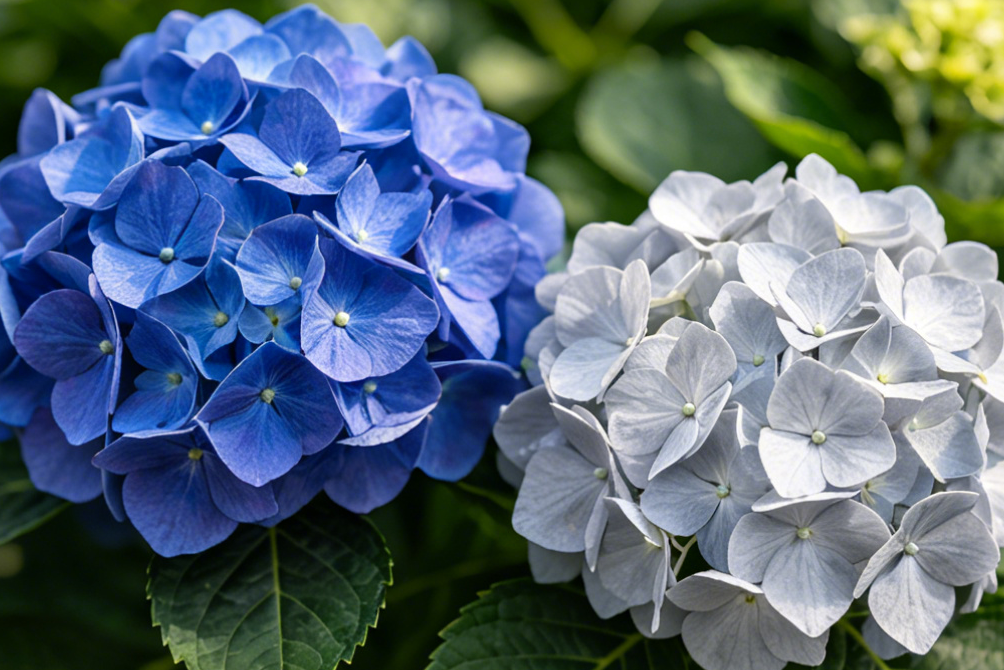
Faded flower color means blooms are significantly paler, whiter, or greener than the normal color for their variety. The main cause is insufficient anthocyanin and other pigment synthesis — adequate light is essential for anthocyanin production. High temperatures also suppress pigment accumulation, and alkaline soil pH affects micronutrient uptake, which can further impact coloration.
Symptoms
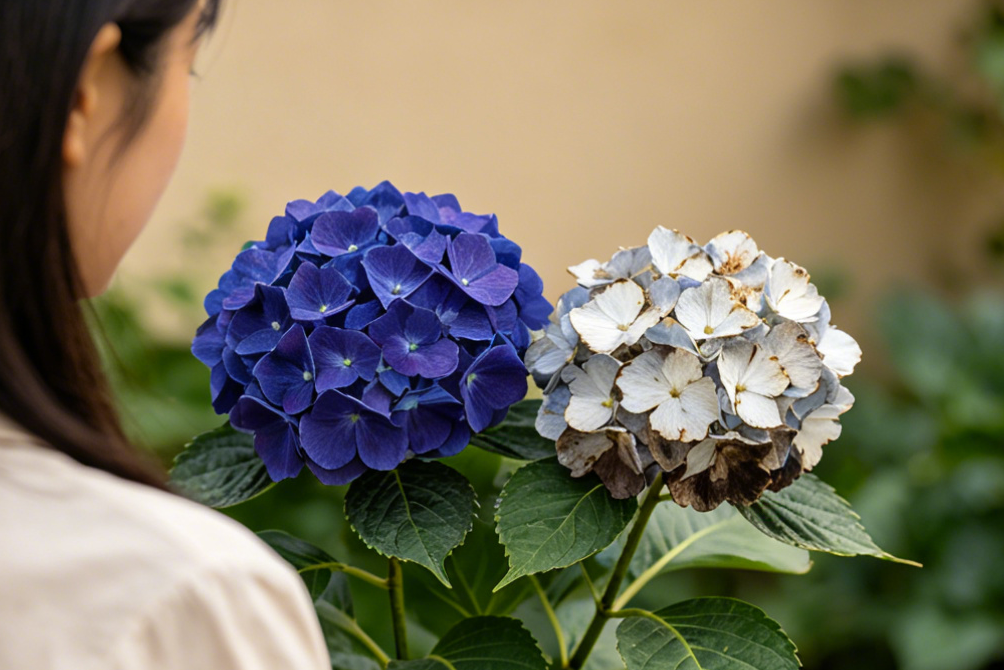
Flower color is noticeably lighter than the same variety's normal color: red becomes pink, purple becomes gray, blue becomes white. Newly opened flowers are even paler than older fading ones (indicating ongoing environmental pigment suppression). Sometimes the petal base is normal but edges and tips are distinctly pale, or color is uneven and patchy.
Treatment
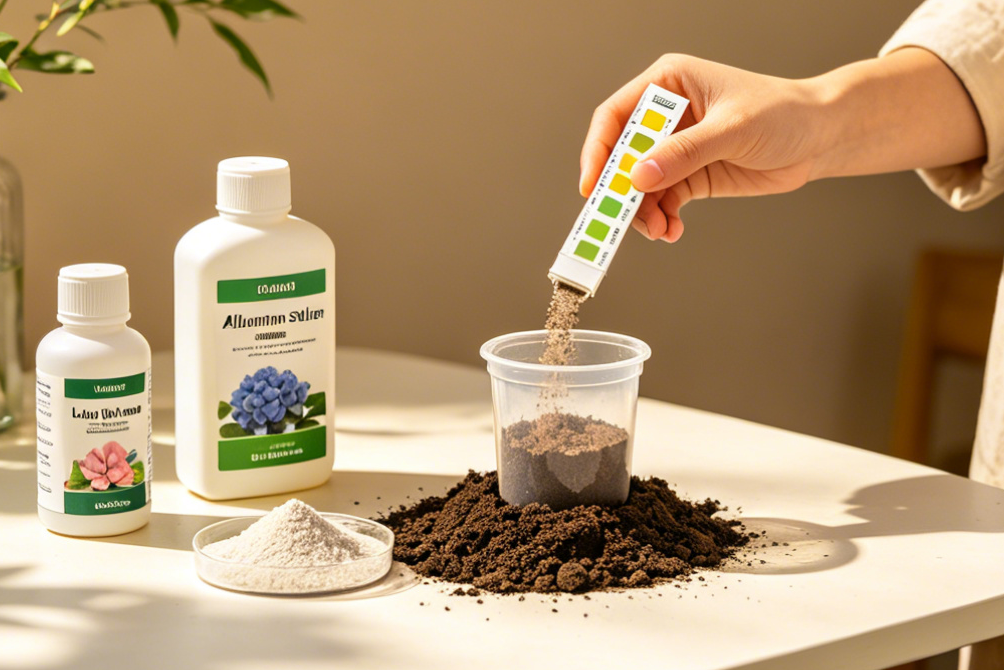
Increase light intensity and duration (avoid direct sun that scorches petals), ensuring 4-6 hours of bright indirect light daily. Apply a bloom-booster fertilizer rich in phosphorus, potassium, and micronutrients, particularly boron and manganese. Check soil pH — if alkaline, acidify with ferrous sulfate to pH 5.5-6.5.
Prevention
Place flowering plants in the brightest available location. Begin bloom-booster fertilization at the budding stage; control nitrogen to prevent excessive foliage at the expense of blooms. Choose flower varieties suited to indoor light conditions. Keep the pot in place during bloom for environmental stability.