Flower
Flower Rot
Flowers turn brown and mushy, caused by gray mold or bacteria
Overview
Flower rot is a decay disease that affects flowers during or after blooming, primarily caused by Botrytis cinerea (gray mold) or various bacteria. Wet flowers and poor ventilation are the biggest triggers — petals have high water content and delicate tissue; when a water film persists on the surface, pathogens easily invade. Crowded indoor arrangements and water splashing on flowers create ideal conditions.
Symptoms
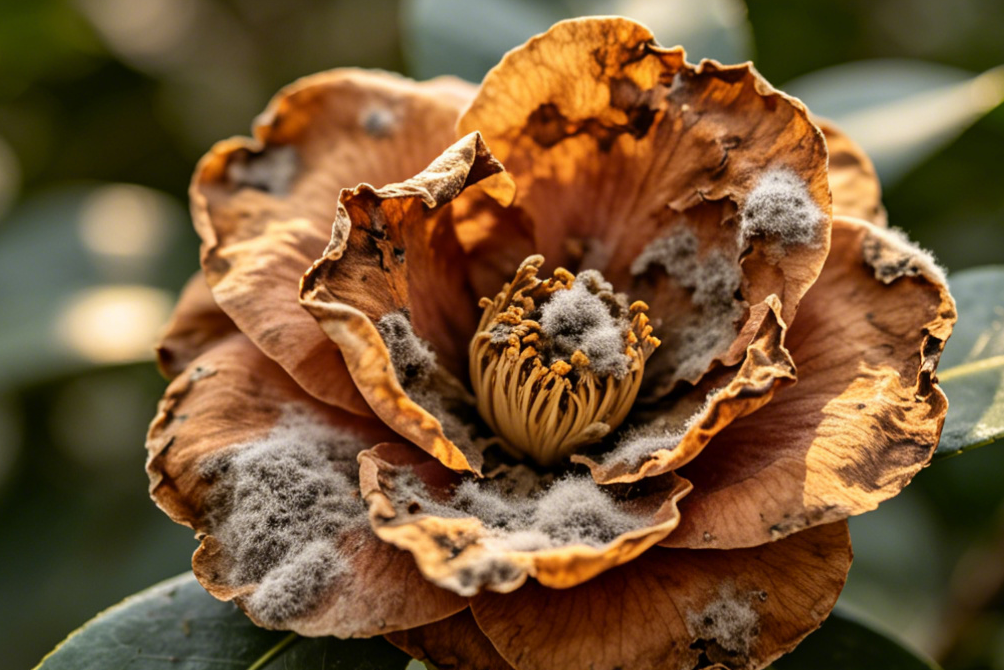
Water-soaked brown or gray spots appear on petals and rapidly expand into rot. Rotten petal surfaces develop fuzzy gray mold (the classic sign of Botrytis — gray conidiophores and spores). The whole flower turns brown, soft, and falls off at the lightest touch. Rot can spread down the flower stalk into the inflorescence and stem. Cool, humid weather (like spring rainy season) is peak season.
Treatment
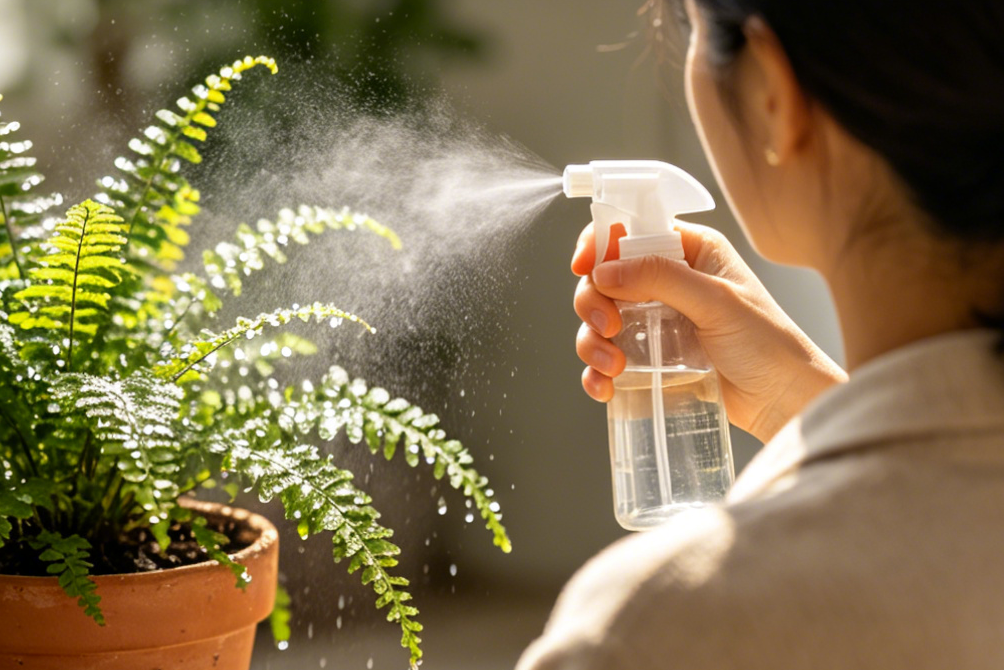
Immediately remove all infected flowers and buds, sealing them in a plastic bag for disposal to prevent spore spread. Apply fungicide (azoxystrobin or procymidone), focusing on flowers and stalks. Increase ventilation and reduce humidity; water carefully to avoid wetting flowers. Increase plant spacing to reduce flower-to-flower contact.

Prevention
Water slowly at the pot rim, avoiding flowers. Space plants adequately for air circulation. Promptly remove spent flowers — do not let decaying petals remain on the plant. Reduce watering frequency and increase ventilation during humid seasons.