Fruit
Fruit Drop
Young fruits drop before maturing, nutrition or pollination issues
Overview
Fruit drop refers to young fruit falling off before ripening, very common in ornamental fruit plants. Main causes include: incomplete pollination leading to poor fruit development, insufficient nutrient supply (the plant cannot support multiple fruits simultaneously), drastic moisture fluctuation causing an abscission layer to form at the fruit attachment point, and insufficient light reducing photosynthetic product accumulation.
Symptoms
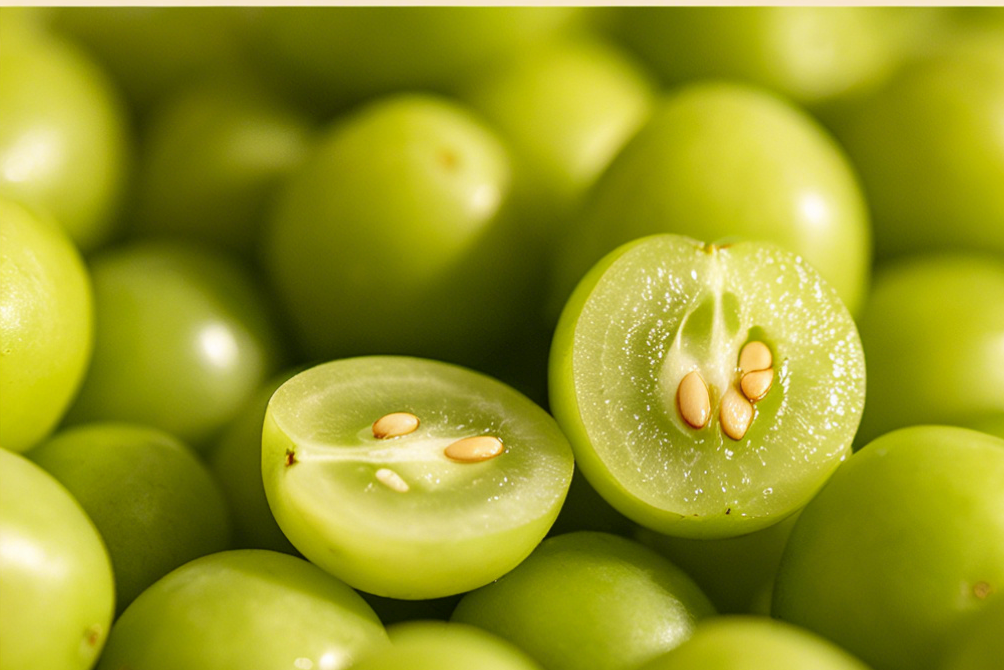
Young fruit turns yellow or discolored at the pea-to-peanut stage and falls off, with a dried abscission layer at the stem end. Cut open dropped fruit reveals underdeveloped seeds or very few seeds. Fruit drops sequentially from the same branch rather than all at once. Fruit stops enlarging shortly before dropping.
Treatment
Thin excess fruit to reduce the plant's burden — keep well-positioned, uniformly sized fruit and remove weak, crowded ones. Increase phosphorus-potassium fertilizer (monopotassium phosphate) to promote fruit development. Ensure adequate light for photosynthesis. Keep soil moisture consistent, avoiding drastic swings. Hand-pollinate to improve fruit set rate.

Prevention
Hand-pollinate with a brush or cotton swab during flowering to ensure adequate pollination. Apply phosphorus-potassium fertilizer regularly after fruit set. Maintain sufficient light and stable environment. Do not keep too many fruit at once — thin appropriately based on plant size and vigor.