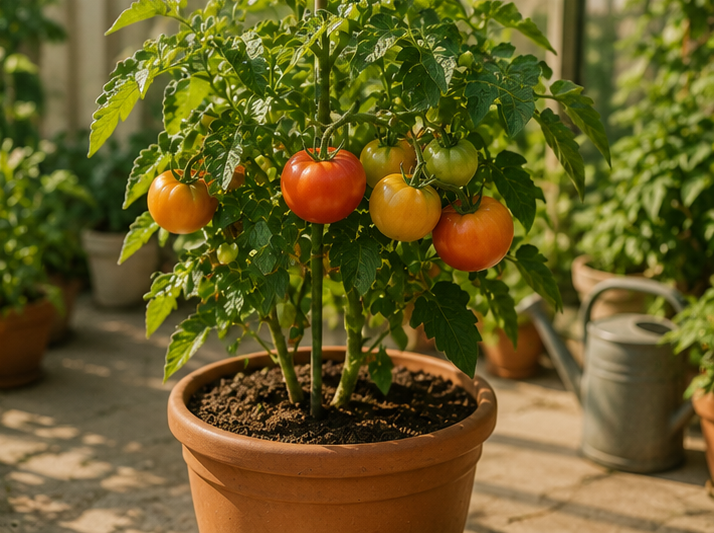
Fruit
Fruit Rot
Fruit softens and rots, fungal or bacterial disease
Overview
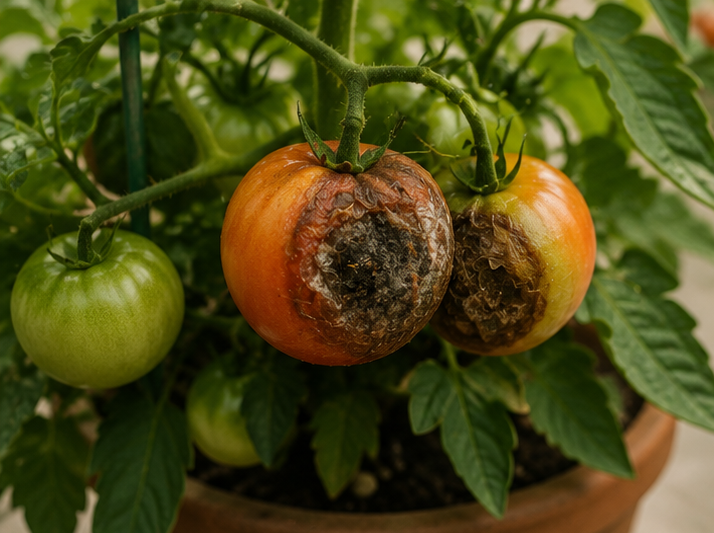
Fruit rot occurs during fruit expansion or ripening, caused by various fungi (such as anthracnose fungi and gray mold) or bacteria. Fruits are high in sugar and water content — once the skin is damaged or the environment is humid, pathogens easily enter and multiply rapidly within the flesh causing rot. Rainy seasons during fruit ripening or improper watering are main triggers.
Symptoms
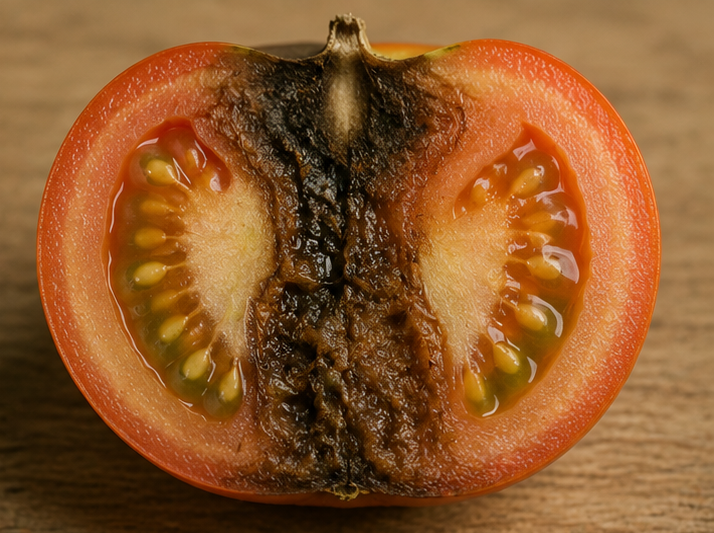
Water-soaked brown or black soft rot spots appear on the fruit surface. Rot expands quickly and can cover the entire fruit. The rotten area is sunken, soft, and may develop mold (gray-green, gray, or black). Cut-open fruit shows brown, soft flesh with a clear boundary from healthy tissue. Sometimes rotten fruit has a sour smell (characteristic of bacterial soft rot).
Treatment
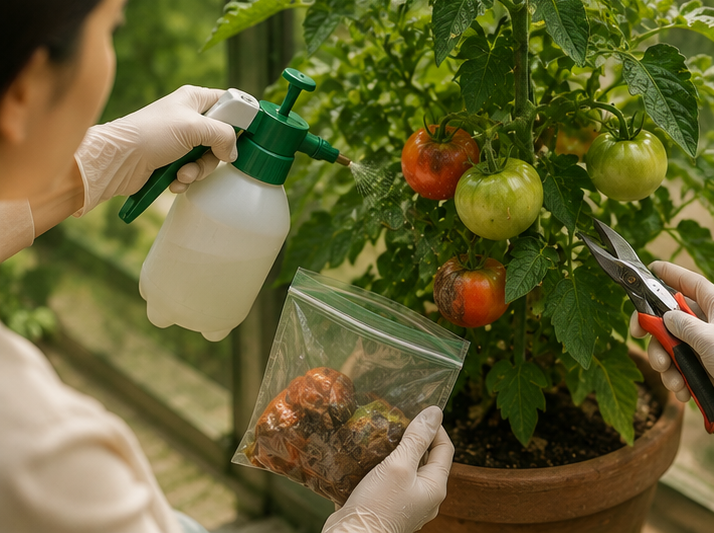
Immediately remove and seal all rotten fruit in a bag for disposal to prevent pathogen spread to healthy fruit and other plant parts. Apply protective fungicide (mancozeb) to prevent healthy fruit infection. For active infections, treat with azoxystrobin or prochloraz every 7 days. Reduce watering frequency and avoid fruit contact with moist soil. Increase ventilation to lower humidity.
Prevention
Avoid overwatering during fruiting; keep soil slightly on the dry side. Bagging fruit provides effective protection against fruit rot. Thin fruit in a timely manner to maintain spacing. Handle fruit gently during harvest to avoid skin damage. Reduce watering before fruit ripens.