Pest
Thrips
Silvery streaks on leaves and flowers, deformed new growth
Overview
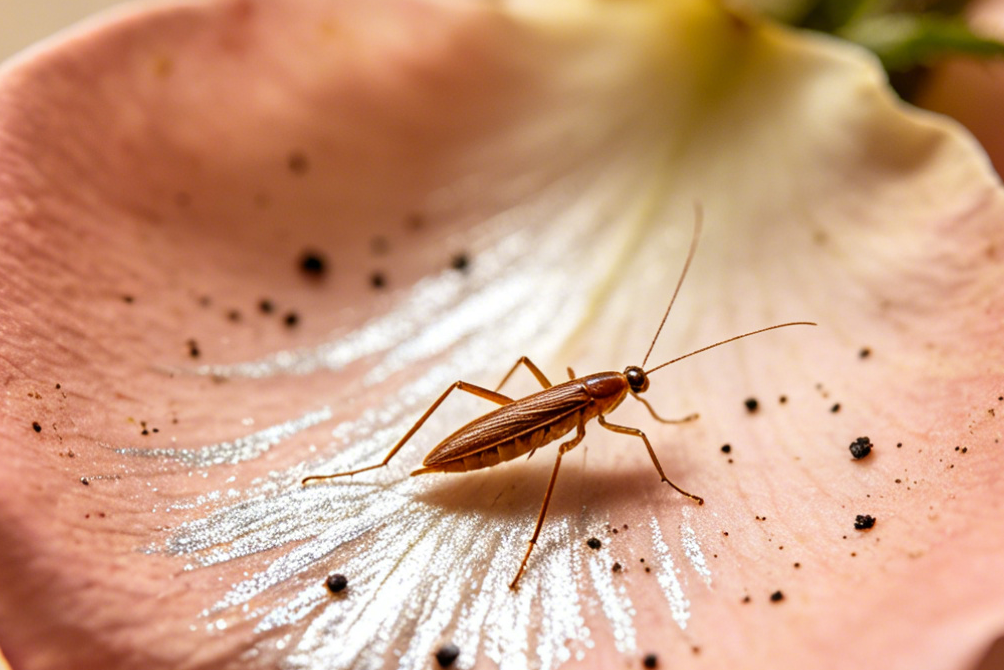
Thrips are tiny (1-2mm) slender insects. Adults have wings and fly, quickly jumping or flying away when disturbed. They are most active in warm, dry conditions, hiding in leaf undersides, flower hearts, and new shoots during the day and feeding in the evening. Thrips rasp the plant epidermis with their mouthparts and suck the exuding sap, creating characteristic silvery or gray-white streaks and patches on affected tissues.
Symptoms
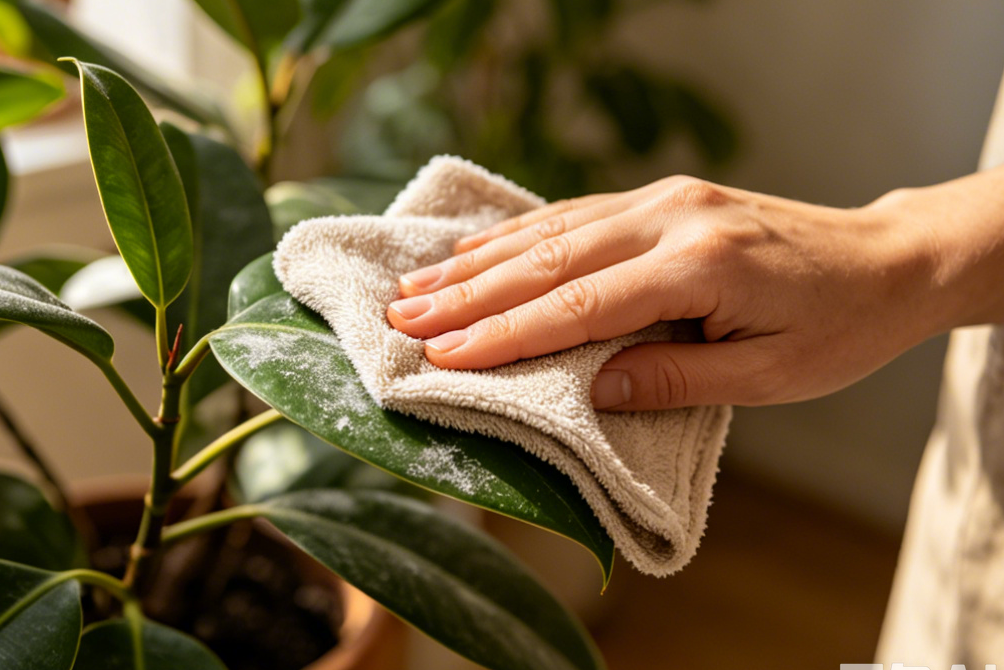
New leaves emerge with irregular silvery, gray-white streaks and patches; leaves become distorted with curled edges. Flowers develop white streaks, brown spots, and discolored edges. Peering into new shoots and flower hearts reveals slender brown thrips moving rapidly. Tiny black specks (feces) are scattered on affected areas.
Treatment
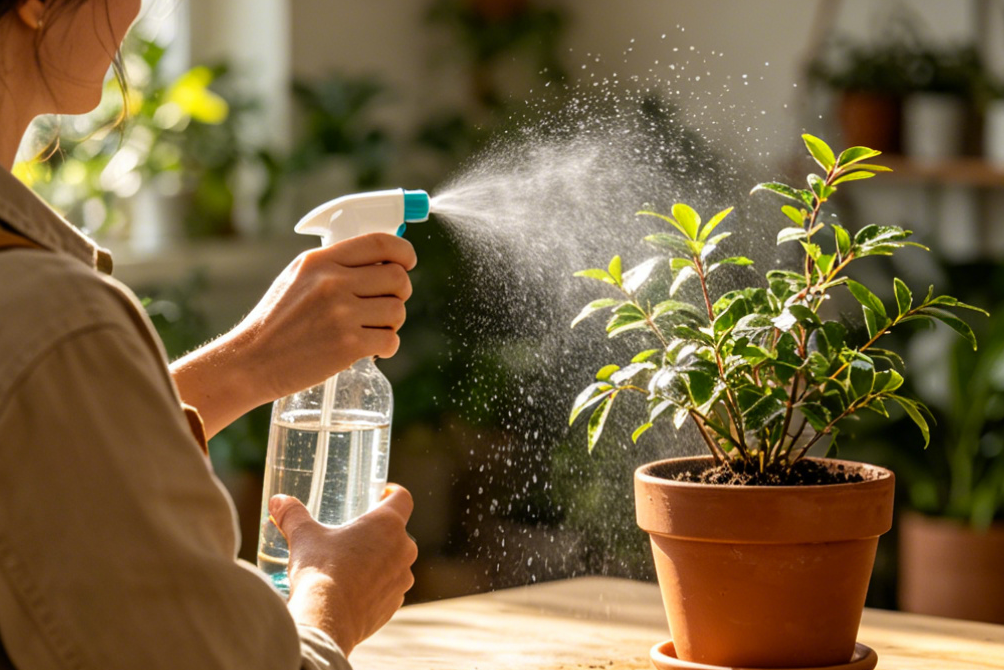
Hang blue sticky traps to catch adults. Spray with spinetoram or pyrethrin-based insecticides, applying in the evening for best results, every 5-7 days for 3 treatments. Ensure thorough coverage of leaf undersides, new shoots, and flower hearts. Remove fallen leaves and weeds from the soil surface to eliminate hiding places.

Prevention
Place blue sticky traps near plants for monitoring. Maintain ambient humidity above 60% to inhibit thrips reproduction. Thoroughly inspect and quarantine new plants for one week. Regularly check new shoots and leaves — investigate immediately upon seeing silver patches.