Whole Plant
Wilting
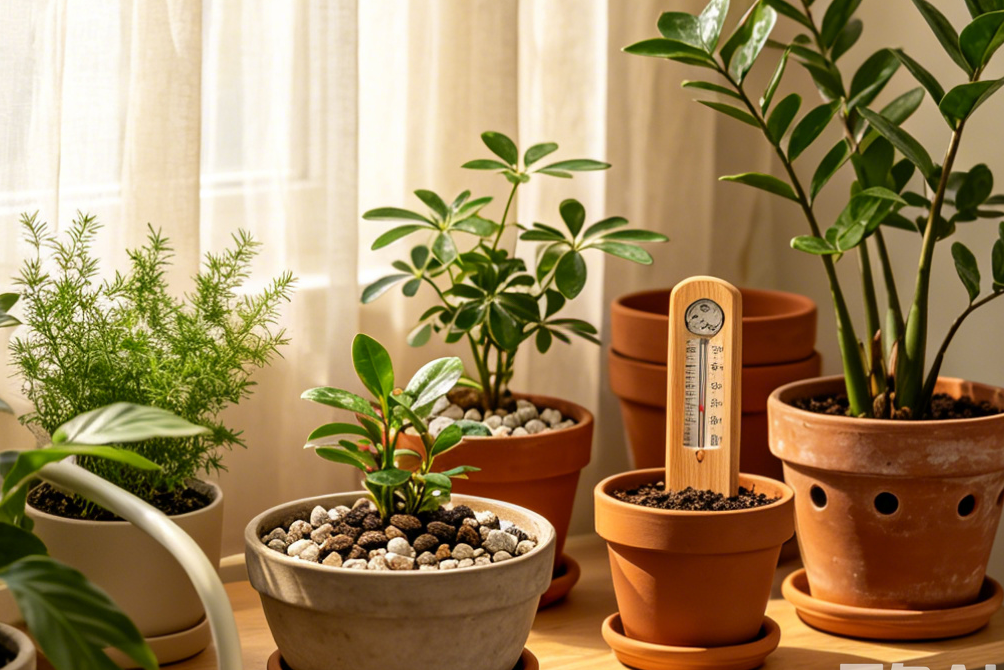
Related to water, light, roots, or nutrition
Overview
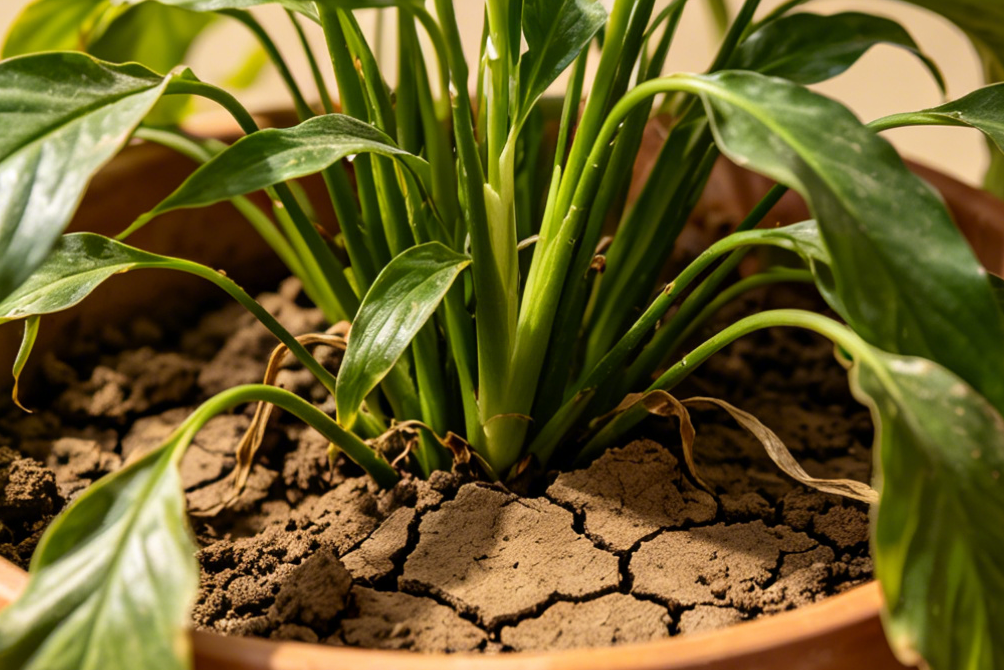
Wilting refers to leaves drooping and stems softening across all or part of a plant. Unlike slow growth, wilting is typically an acute response occurring within hours to days. The most common cause is watering issues (too much or too little), but it can also result from root damage, temperature stress, or vascular blockages caused by pests and diseases.
Symptoms
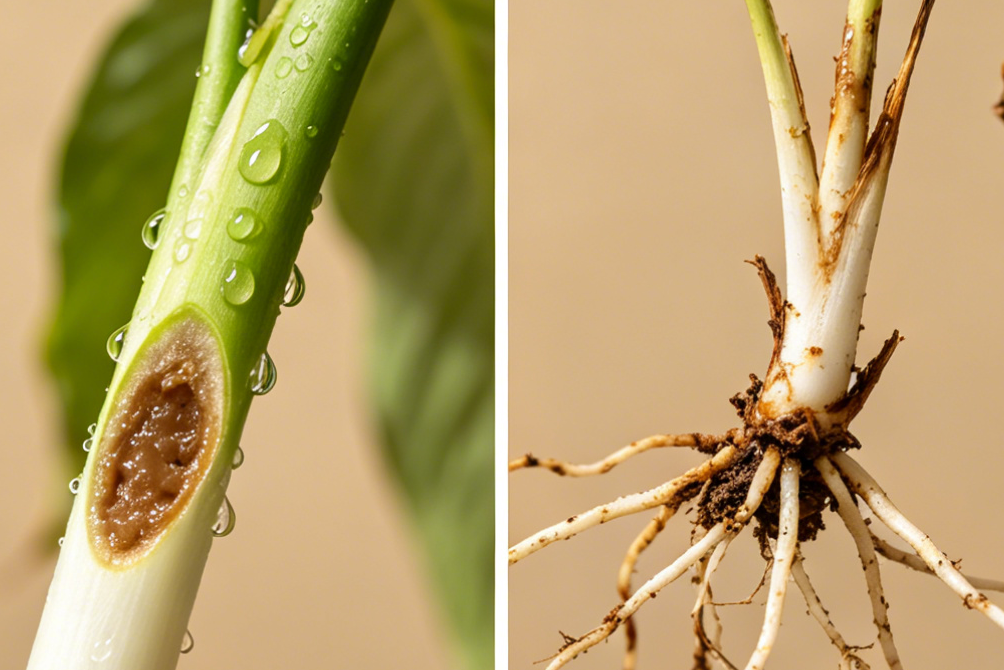
Leaves droop during hot daytime temperatures but recover in the evening — this is temporary wilting where transpiration exceeds water uptake. If leaves remain droopy, check the soil: dry soil with a lightweight pot means dehydration; wet soil with continued drooping indicates root rot. Wilting accompanied by yellowing and leaf drop suggests long-standing root damage. If only one side of the plant wilts, the corresponding roots or stem may be damaged.
Treatment
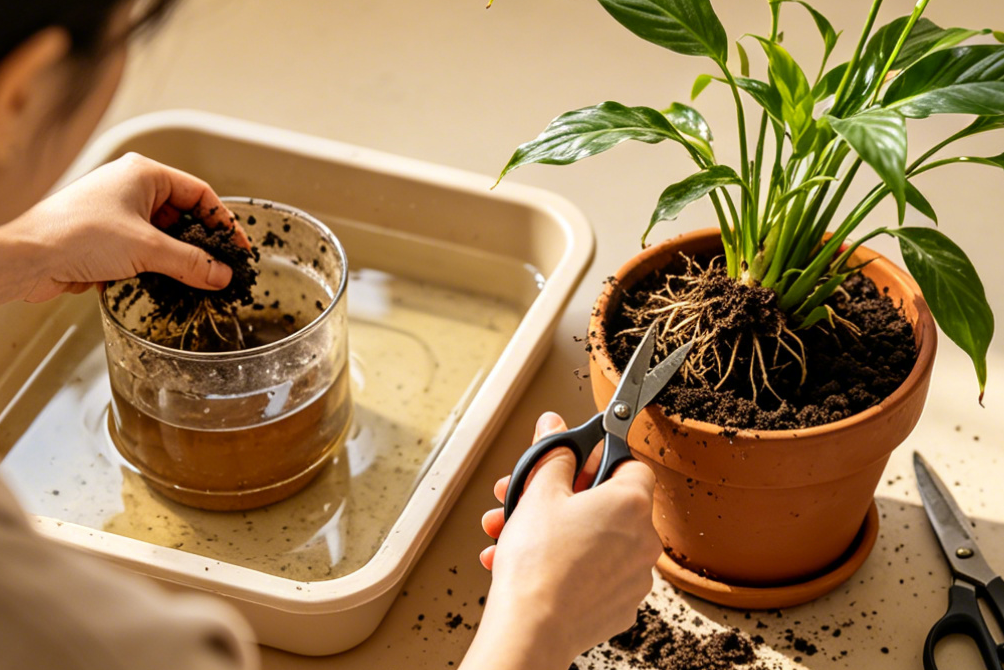
For dehydration wilting: submerge the pot in water for 30 minutes until fully saturated, then drain and move to a cool, ventilated area — recovery within 24 hours. For overwatering wilting: stop watering immediately, remove the plant from its pot, trim brown mushy roots, repot in fresh dry soil, and place in indirect light for one week. If severe yellowing accompanies wilting, prune back the canopy to reduce root burden.
Prevention
Follow the 'soak and dry' watering principle — check soil moisture with your finger rather than watering on a fixed schedule. Use pots with drainage holes and add perlite or coarse sand to improve aeration. Provide shade during extreme summer heat to reduce transpiration. Handle roots carefully when repotting and allow 3-5 days of recovery in shade.