



彩叶芋的种植与养护

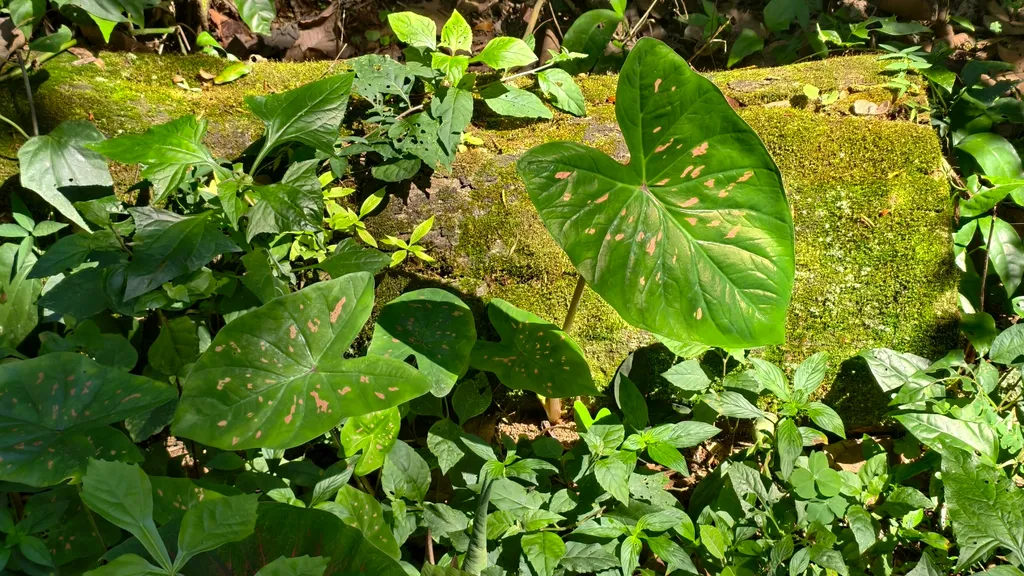
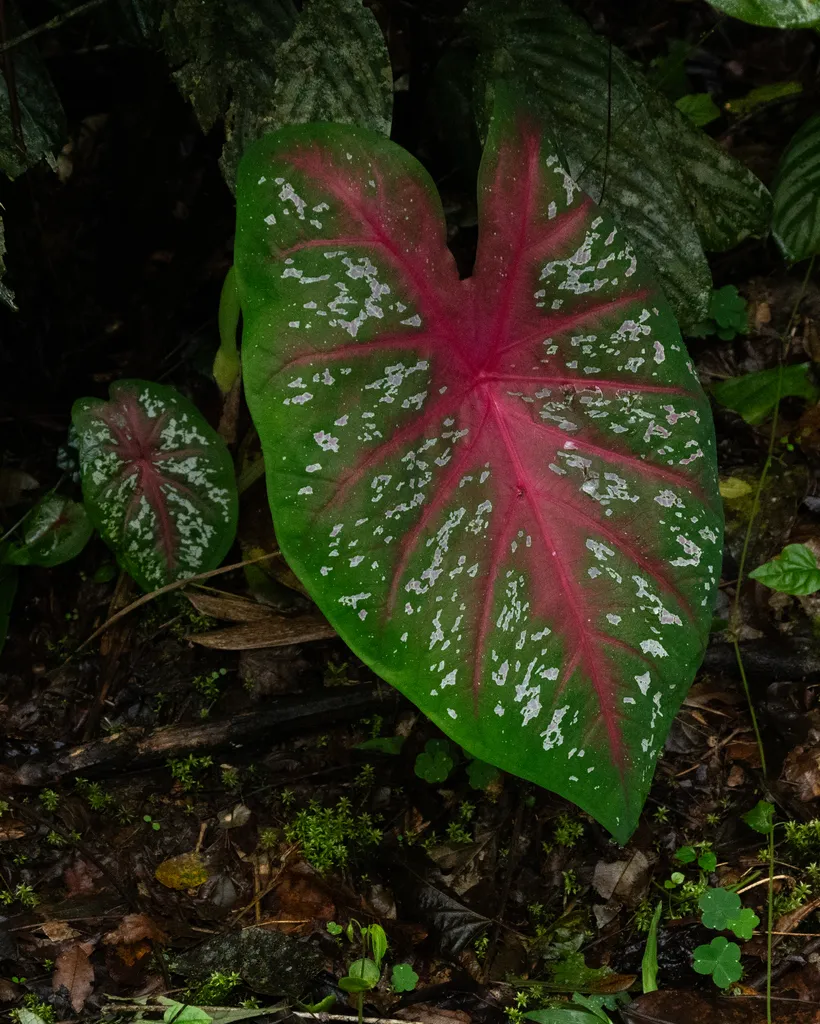
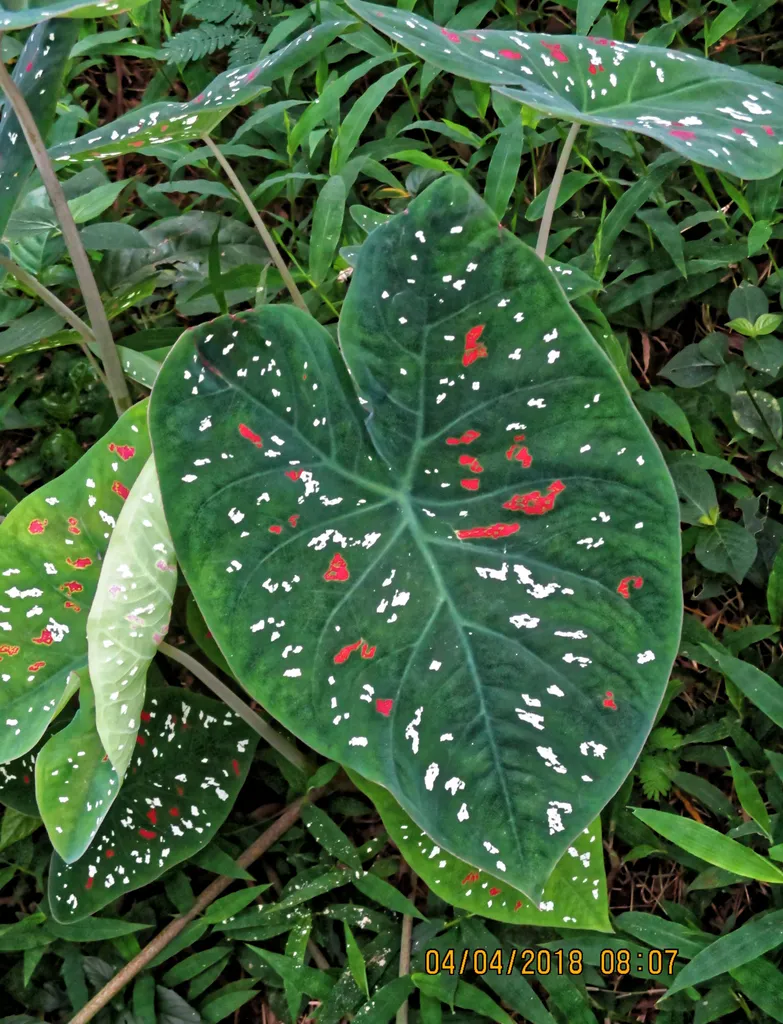
| 养护难度 | 3 / 5 |
|---|---|
| 浇水方式 | 保持土壤均匀湿润,休眠期减少浇水 |
| 光照需求 | Partial shade · Bright indirect light |
| 理想温度 | 18 – 27 °C |
| 土壤类型 | Loam · Peat |
| 土壤酸碱度 | Acid |
| 土壤水分 | Moist but well drained |
| 施肥频率 | 生长旺期每周施半浓度平衡肥 |
| 毒性 | 全株有毒,含有草酸钙晶体,误食会引起口腔和咽喉剧烈灼烧和肿胀。 |
彩叶芋要如何浇水?
Native to tropical rainforests, heart of jesus thrives in high humidity and consistently moist soil. It has moderate drought tolerance but prefers a steady supply of water to mimic its natural habitat. Watering every week will maintain the ideal moisture level for this plant. Given its preference for humid environments, heart of jesus is typically grown indoors where moisture levels can be more easily regulated. To ensure optimal growth and vibrant foliage, maintaining ambient humidity is crucial for this evergreen plant.
进一步了解 →彩叶芋需要什么样的光照?
Heart of jesus flourishes in light conditions that offer partial sunlight, which provides a balance ensuring vibrant growth without the stress of intense direct rays. Heart of jesus's light tolerance extends to full shade; however, its striking foliage may not be as pronounced in less luminous conditions. Too much direct sunlight can lead to leaf scorch, while low light may cause leggy stems and reduced vibrancy. Adaptive to its light exposure, heart of jesus's leaves may display a variation in color intensity. Ideally positioned outdoors in a spot that receives dappled sunlight, or indoors near a window with filtered light, heart of jesus achieves its optimal health and aesthetic appeal.
进一步了解 →彩叶芋的适宜温度是多少?

Heart of jesus exhibits moderate sensitivity to temperature fluctuations. It can endure temperatures ranging from 5℃ (41℉) to 45℃ (113℉). Under cold conditions, heart of jesus may exhibit leaf discoloration or collapse, indicating frost damage, while excessive heat can cause leaf burn or wilting. To protect heart of jesus, gardeners should use frost cloths during cool nights and ensure adequate shading and hydration during heat waves. This tolerance range affects its care needs, requiring special attention during extreme temperatures to maintain optimal growth.
进一步了解 →彩叶芋适合什么土壤?
- 土壤类型
- Loam · Peat
- 土壤酸碱度
- Acid
彩叶芋对水分有什么要求?
Moist but well drained
进一步了解 →彩叶芋要如何施肥?

For the vibrant heart of jesus, apply a high-nitrogen fertilizer every 4-6 weeks during active growth periods in spring and summer to foster lush foliage. During dormancy in fall and winter, cease fertilization. Use the fertilizer at half the recommended strength to avoid overfeeding and potential root burn. Periodic fertilizing enhances heart of jesus's vigor, but over-fertilization can harm its delicate roots, thus precision is key. Lightly incorporate the fertilizer into the soil near the root zone for optimal absorption.
进一步了解 →彩叶芋要如何修剪?

Heart of jesus, known for its vibrant, heart-shaped leaves, benefits from pruning in early to late spring. Trim away any yellowing or damaged leaves to promote healthy growth. Remove spent flowers to redirect energy to the foliage. Ensure clean cuts near the base to prevent disease. Pruning helps maintain its shape, encourages lush leaf production, and can prevent overcrowding. Regularly inspect and prune heart of jesus to sustain its ornamental appeal and vitality.
进一步了解 →彩叶芋要如何繁殖?

Heart of jesus can be easily propagated through tubers in Spring. Difficulty in propagation is relatively low. Successful propagation is indicated by new foliage sprouting. Avoid overwatering and provide well-draining soil for better results.
进一步了解 →彩叶芋要如何移植?
Transplant heart of jesus ideally in mid to late spring or fall to ensure optimum growth. Choose a well-draining location, partially shaded, for best success. Keep soil consistently moist, and if necessary, use a slow-release fertilizer for added support.
进一步了解 →彩叶芋冬季要如何养护?

Heart of jesus hails from tropical South American regions, naturally adept at withstanding warm, humid climates rather than chilly winters. During colder temperatures, the plant enters a dormancy phase, preparing for a burst of new growth come spring. For winter care, gardeners should relocate heart of jesus indoors or provide a protective mulch layer over the rhizomes. Additionally, reducing watering whilst ensuring high humidity mimics heart of jesus's native habitat, promoting healthy overwintering.
进一步了解 →彩叶芋要如何栽培?
Indoors-potted: Ensure heart of jesus has enough space to showcase its vibrant foliage while indoors; it thrives with ample room for leaf development. Outdoors-potted: Heart of jesus appreciates outdoor potted life but beware of overcrowding, as its broad leaves need space to flourish. Outdoors-in the ground: In the ground, heart of jesus spreads its roots freely. Be mindful that it doesn't overshadow smaller neighbors in your garden.
进一步了解 →彩叶芋要如何换盆?
For heart of jesus, a vibrant, heart-shaped foliage plant, repotting is best done annually in spring to accommodate its growth spurt. Choose a container slightly larger than the previous to allow roots to breathe. Post-repotting, ensure indirect light and consistent moisture for robust recovery. A well-draining pot will prevent root rot, crucial for heart of jesus's delicate roots.
进一步了解 →彩叶芋要如何采收?

资料待完善
进一步了解 →常见病虫害

病害
浇水过多时易发生根腐病,尤其在排水不良的土壤中。高湿且通风不良条件下可能出现叶斑病。
虫害
常见害虫包括红蜘蛛、粉蚧和蚜虫,尤其在干燥的室内环境中。
浏览病虫害知识库 →彩叶芋的毒性
全株有毒,含有草酸钙晶体,误食会引起口腔和咽喉剧烈灼烧和肿胀。