



蒿柳的种植与养护

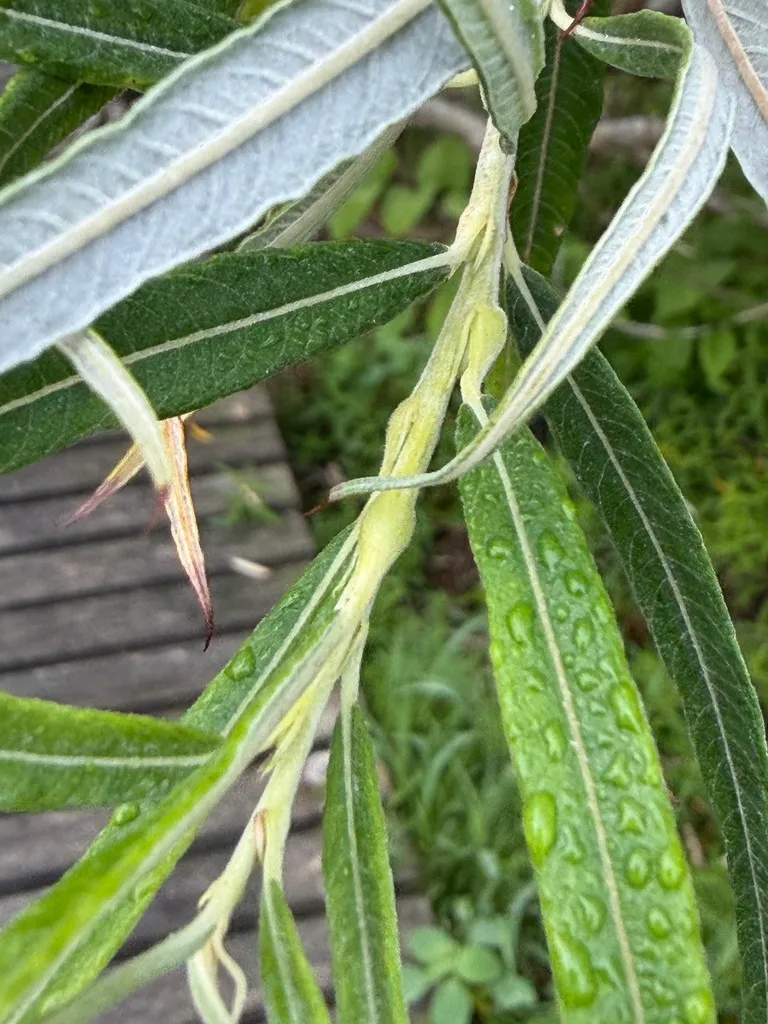
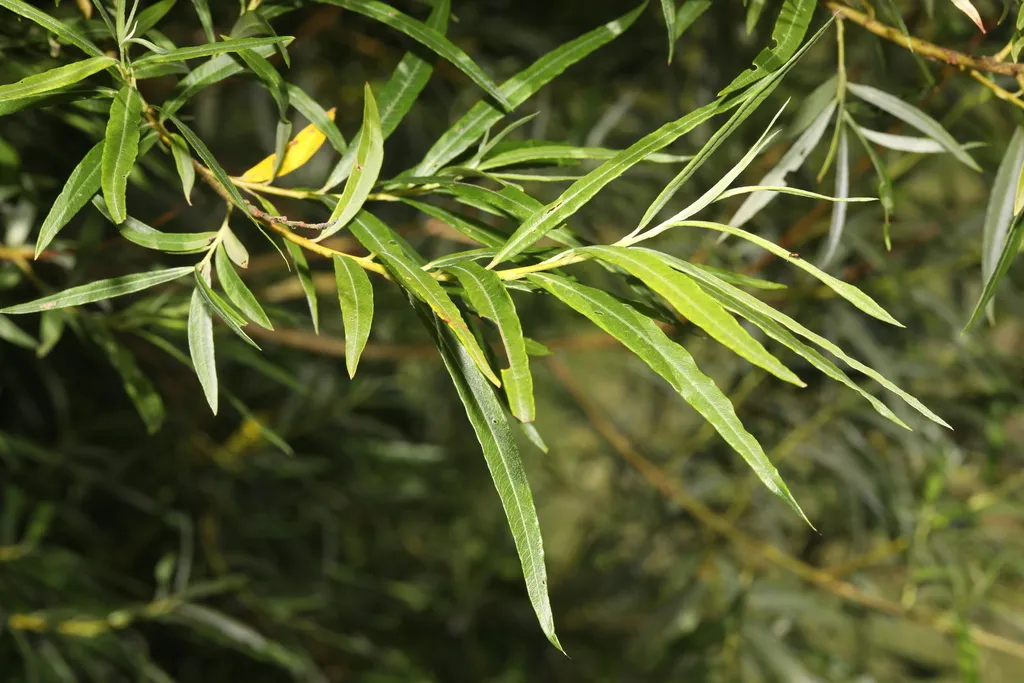
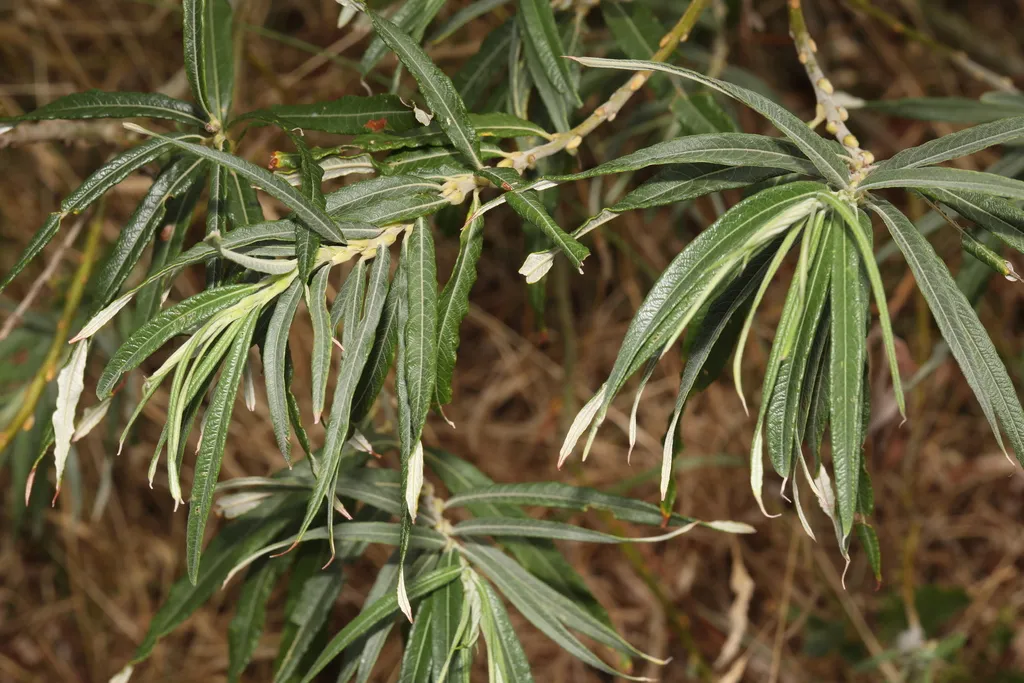
| 养护难度 | 2 / 5 |
|---|---|
| 浇水方式 | 适度规律浇水,避免长期干旱或积水 |
| 光照需求 | Full sun |
| 理想温度 | 15 – 25 °C |
| 土壤类型 | Clay · Loam · Sand |
| 土壤酸碱度 | Acid · Neutral |
| 土壤水分 | Moist but well drained |
| 施肥频率 | 春季施均衡肥,生长期可少量追肥 |
| 毒性 | 资料待完善 |
蒿柳要如何浇水?
Basket willow thrives in moist environments, indicative of its natural habitat near water sources. It has a high tolerance for wet soil and prefers consistent moisture, showing a propensity for lush growth when adequately hydrated. The watering schedule for basket willow should be maintained at once every three weeks to sustain its hydration needs without overwatering. Given that basket willow is often cultivated outdoors due to its size and preference for ample space, it's important to consider that as an outdoor plant, it may require additional water during prolonged dry spells to mimic the more stable conditions of its native setting.
进一步了解 →蒿柳需要什么样的光照?
Basket willow thrives best in full sunlight, which bolsters its growth, health, and flowering potential. Exposure to long durations of direct sunlight optimizes photosynthesis, ensuring vigorous growth and abundant flowering. While basket willow is tolerant of partial sun, reduced light levels may lead to diminished growth and less prolific flowering. An outdoor setting with ample direct sunlight is most beneficial, avoiding overly shaded areas that can impede its development. Basket willow displays robust adaptability by adjusting leaf orientation and density to capitalize on available light, ensuring optimal light absorption under varying conditions.
进一步了解 →蒿柳的适宜温度是多少?

Basket willow demonstrates a remarkable tolerance to temperature variations. Capable of withstanding cold conditions down to -25℃ (-13℉) and heat up to 35℃ (95℉), it shows impressive resilience. This tolerance influences its care, making it suitable for regions with harsh winters and hot summers. However, if temperatures drop too low, symptoms like leaf discoloration and stem dieback may occur; similarly, extreme heat can cause wilting and leaf scorch. Protective measures like mulching in winter or shading during peak summer can mitigate these effects. Ensuring proper hydration and soil conditions enhances basket willow's resilience, allowing it to thrive despite temperature extremes.
进一步了解 →蒿柳适合什么土壤?
The plant basket willow naturally thrives in moist, well-drained soils typically found along rivers and wetlands, with a pH range of 5.5 to 7.5. It prefers acidic to neutral soils, which promotes effective nutrient absorption. The native soil composition includes a mix of clay, sand, and loam, providing an optimal balance of nutrients and drainage. For a suitable soil mix, combine 40% loam, 30% sand, and 30% compost. Ensure good drainage by adding organic materials like bark chips. Regularly use balanced fertilizers during the growing season to enhance growth.
- 土壤类型
- Clay · Loam · Sand
- 土壤酸碱度
- Acid · Neutral
蒿柳对水分有什么要求?
Moist but well drained
进一步了解 →蒿柳要如何施肥?

For optimal health, basket willow thrives with balanced nutrition fertilizers, applied bi-annually in spring and autumn. The goal is to bolster growth and enhance vigor, particularly crucial given basket willow's fast-growing nature. Administer a moderate amount in line with the product's label to prevent nutrient overload, which can harm basket willow. Adjust the frequency accordingly during active growth phases. Always water basket willow post-fertilization to aid nutrient uptake and minimize root burn risks. Tailor the application rate to basket willow's development stage and seasonal changes, with lighter feeding as dormancy approaches. Use gloves and avoid fertilizer contact with basket willow's stems.
进一步了解 →蒿柳要如何修剪?

Basket willow features long, flexible shoots ideal for basket weaving. For best results, prune in early spring before new growth begins. Remove damaged or weak stems, and cut back vigorous shoots to encourage bushier growth. Specific considerations include removing older wood to promote healthy, new stems, which enhances material quality. Regular pruning rejuvenates the plant, ensuring a continuous supply of strong, flexible shoots. Optimize health and production by adhering to these practical, seasonal pruning techniques.
进一步了解 →蒿柳要如何繁殖?

Basket willow, known for its growth habit and usefulness in crafting baskets, can be propagated effectively through cuttings. This method begins with selecting healthy shoots and preparing them by making a clean cut beneath a leaf node. Although the specifics of cutting lengths and treatment can vary, rooting hormone applications help stimulate growth. Once prepared, shoots should be inserted into suitable growing mediums like well-drained soil or a mix of peat and sand, ensuring the right environmental conditions like adequate moisture and indirect light are met to encourage rooting.
进一步了解 →蒿柳要如何移植?
The prime time to transplant basket willow is the latter part of spring, taking advantage of the mild weather for root establishment. Choose a sunny spot with moist, well-drained soil. Gentle handling of roots during the move is a must for successful transplantation.
进一步了解 →蒿柳冬季要如何养护?

资料待完善
进一步了解 →蒿柳要如何栽培?
In general, the basket willow has strong reproductive and adaptive abilities, so seedlings are commonly sold on the market. In addition, the plant can also be reproduced by the use of layering or cuttage. These two methods don't take much time and can retain the plant's original excellent properties to a great extent. With the plant's seeds being so small and light, sowing is considered to be a troublesome way to breed the basket willow.
进一步了解 →蒿柳要如何换盆?
资料待完善
进一步了解 →蒿柳要如何采收?

The wood of the basket willow is soft, and its branches are slender enough to be weaved into baskets, crates, bags, furniture and safety helmets. Its bark also contains a tannin that is used for industrial and medicinal products. Many animals often feed on young shoots and leaves, while the leaves of a few specific species can be used to feed livestock or tussah.
进一步了解 →常见病虫害

病害
可感染柳炭疽病、疮痂病、溃疡病和锈病。
虫害
可能会受到蚜虫和毛虫的侵扰。
浏览病虫害知识库 →蒿柳的毒性
资料待完善