



花叶万年青的种植与养护

| 养护难度 | 2 / 5 |
|---|---|
| 浇水方式 | 保持土壤适度湿润,浇水间可稍干 |
| 光照需求 | Bright indirect light |
| 理想温度 | 18 – 27 °C |
| 土壤类型 | Loam · Peat |
| 土壤酸碱度 | Acid · Neutral |
| 土壤水分 | Moist but well drained |
| 施肥频率 | 生长季每月一次 |
| 毒性 | 人畜误食有毒,会引起口腔刺激、肿胀和吞咽困难;汁液刺激皮肤,需戴手套处理。 |
花叶万年青要如何浇水?
Originating from the understory of tropical rainforests, dieffenbachia thrives in high humidity and consistent moisture. This species is adept at handling brief periods of dryness but prefers a stable water supply to mimic its natural habitat. Regular watering every week will sustain its lush foliage. Transitioning smoothly, it's important to note that dieffenbachia is typically grown indoors where maintaining ambient moisture can be crucial for its health. As an evergreen plant, dieffenbachia's vitality hinges on avoiding water stress to ensure year-round vibrancy.
进一步了解 →花叶万年青需要什么样的光照?
Dieffenbachia thrives best in full shade conditions where the intensity of light is diffused. The plant can tolerate partial sun but prolonged exposure may lead to leaf burn or fading. Dieffenbachia's leaves have evolved to capture limited light under dense canopies, adjusting in placement and size for maximal absorption. Indoor growth is ideal, particularly in spaces with bright, indirect light such as near north-facing windows. Outdoor planting should aim for shaded areas that mimic dieffenbachia's natural understory habitat. Deviations from these conditions can reduce the plant's vigor and overall health.
进一步了解 →花叶万年青的适宜温度是多少?

Dieffenbachia has a moderate tolerance to temperature variations, enduring conditions from as low as 5℃ (41℉) up to 43℃ (109℉). While it can handle colder temperatures briefly, prolonged exposure may cause leaf yellowing or dropping. In high heat, over 43℃, leaf edges may turn brown and plants may wilt. To care for dieffenbachia, protect it from drafts and extreme cold, and ensure adequate shading and humidity during hot periods. Symptoms of distress include discoloration and wilting, which can be mitigated by adjusting temperature settings and providing sufficient water and humidity.
进一步了解 →花叶万年青适合什么土壤?
Dieffenbachia prefers fertile, moist, well-drained, well-ventilated soil with a pH of 6-7.5. Common indoor potted-plant soil can be used. Mix 1:1:1 of organic fertile soil, sphagnum, and fine sand or perlite for cultivation medium. Ample sphagnum (peat moss) helps to retain moisture. Loose, well-draining soil is more conducive to the respiration of the roots, avoiding root rot, etc. Fertilize regularly to prevent unhealthy symptoms such as yellowing of leaves.
- 土壤类型
- Loam · Peat
- 土壤酸碱度
- Acid · Neutral
花叶万年青对水分有什么要求?
Moist but well drained
进一步了解 →花叶万年青要如何施肥?

For dieffenbachia, opt for high nitrogen fertilizers, supporting lush foliar growth. Quarterly applications are ideal, reducing to bi-annually in winter. Use dilute solutions to prevent root burn; excess is harmful. During active growth, more frequent feeding—every six weeks—bolsters vigor. Novices, apply as directed, avoiding over-fertilization. Experienced gardeners can slightly adjust based on dieffenbachia's response, ensuring a balance between growth and plant health.
进一步了解 →花叶万年青要如何修剪?

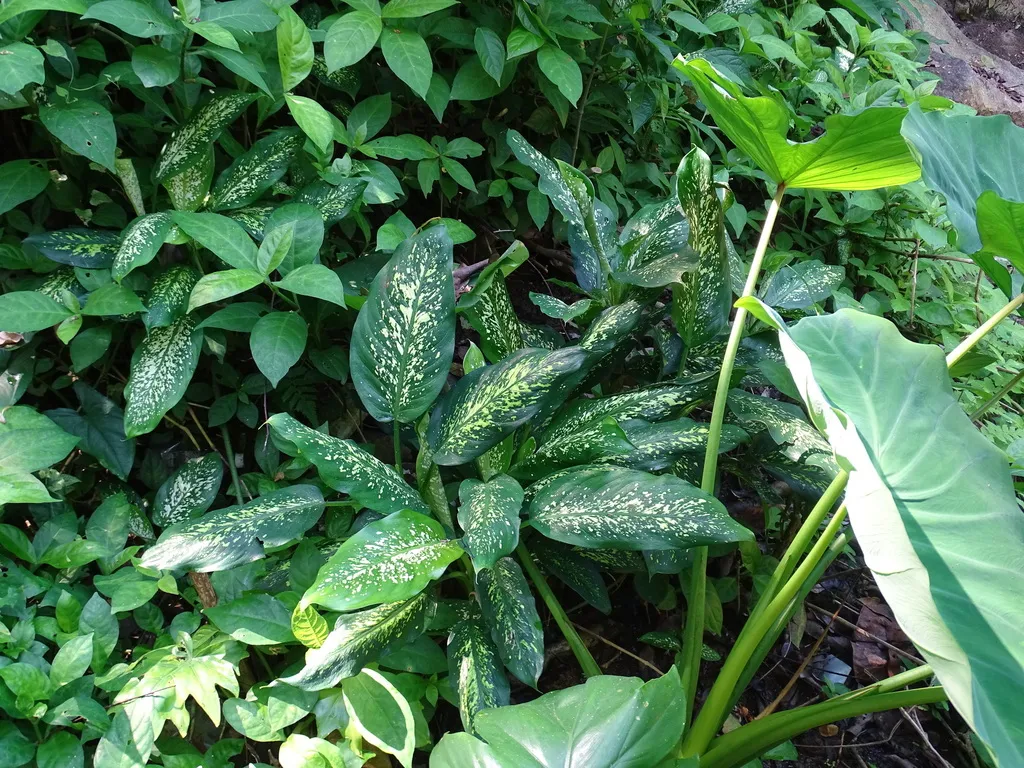
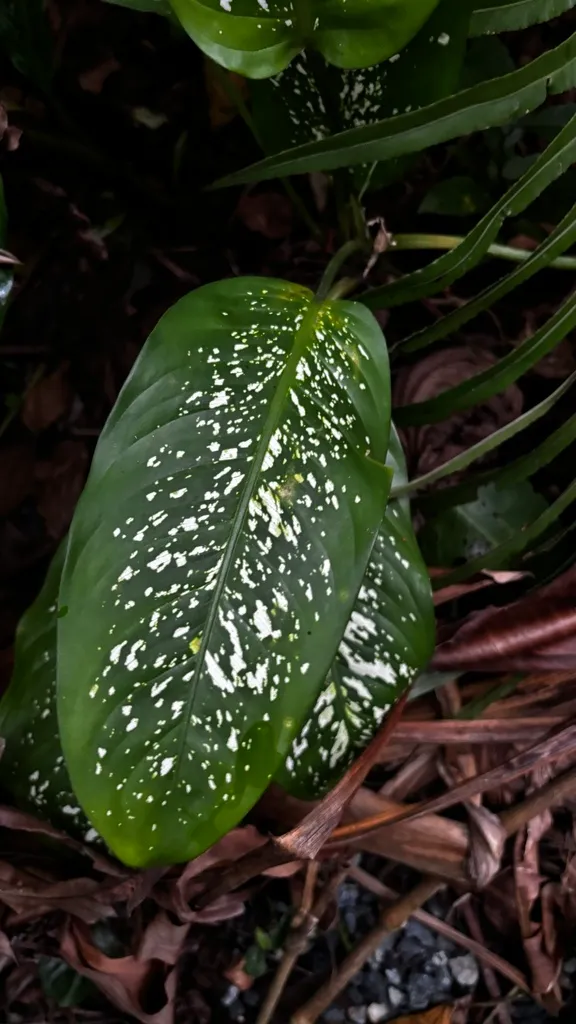
Dieffenbachia features broad, variegated leaves and a bushy growth habit. Prune in early to later spring to encourage new growth and maintain shape. Trim leggy stems at the base, remove yellowing leaves, and pinch back growing tips. Use clean, sharp tools to prevent disease. Pruning helps reduce size, encourages fuller growth, and improves overall plant health. Always wear gloves, as dieffenbachia's sap can be irritating.
进一步了解 →花叶万年青要如何繁殖?

Dieffenbachia is best propagated by cuttings during the warm seasons of spring and summer. This plant has a moderate propagation difficulty, and successful growth can be identified by the emergence of new leaves. Ensure high humidity and a well-draining medium for best results.
进一步了解 →花叶万年青要如何移植?
The perfect time for transplanting dieffenbachia is mid-spring to late-spring, or mid-fall to late-fall, as these seasons provide optimal growing conditions. When transplanting, choose a location with bright, indirect sunlight, and maintain a consistent temperature. Remember to handle dieffenbachia with care, as it can be sensitive to disturbance.
进一步了解 →花叶万年青冬季要如何养护?

Dieffenbachia thrives in the warm, tropical environments of Central and South America, and naturally avoids below-freezing temperatures. Its tropical nature makes it ill-suited to cold winters, often causing leaf drop. For winter care, gardeners should maintain indoor temperatures above 16°C and high humidity, mimicking its native habitat. Beware: too low temperatures or excessive draught can lead to plant stress, turning the leaves yellow, and slowing growth.
进一步了解 →花叶万年青要如何栽培?
Indoors-potted: Ensure dieffenbachia has ample space indoors as it thrives in generous pot sizes, allowing for impressive leaf growth. Outdoors-potted: Dieffenbachia may struggle with outdoor elements; choose a sheltered spot to mimic its preference for stable conditions. Outdoors-in the ground: Dieffenbachia isn't typically suited for direct outdoor ground planting due to its sensitivity to changing temperatures and moisture levels.
进一步了解 →花叶万年青要如何换盆?
Repot dieffenbachia annually as it's a fast-growing, upright shrub. Early spring is ideal to accommodate the active growth phase. Upsize the container by a few inches to ensure root comfort. Post-repotting, maintain consistent moisture and avoid direct sunlight to promote recovery. Opt for a pot with ample drainage to prevent root rot in this humidity-loving species.
进一步了解 →花叶万年青要如何采收?

资料待完善
进一步了解 →常见病虫害

病害
浇水过多或土壤排水不良易患根腐病;湿度过高时易感染叶斑病(如黄单胞菌)。
虫害
常见虫害有红蜘蛛、粉蚧和蚜虫;应定期检查叶背,发现后可用杀虫皂或印楝油防治。
浏览病虫害知识库 →花叶万年青的毒性
人畜误食有毒,会引起口腔刺激、肿胀和吞咽困难;汁液刺激皮肤,需戴手套处理。