



吊兰的种植与养护

| 养护难度 | 1 / 5 |
|---|---|
| 浇水方式 | 保持湿润,避免积水 |
| 光照需求 | Partial shade |
| 理想温度 | 18 – 27 °C |
| 土壤类型 | Loam · Sand |
| 土壤酸碱度 | Alkaline · Acid · Neutral |
| 土壤水分 | Well drained · Moist but well drained |
| 施肥频率 | 每两周一次 |
| 毒性 | 资料待完善 |
吊兰要如何浇水?
Thriving in the understory of tropical regions, spider plant has adapted to consistent moisture and high humidity. It exhibits a preference for evenly moist soil, avoiding both waterlogged conditions and prolonged dryness. The ideal watering schedule for spider plant is once every week to maintain its lush foliage. Given its indoor cultivation prevalence, spider plant benefits from occasional misting to replicate its native humid environment, which supports its characteristic resilience and vibrant growth.
进一步了解 →吊兰需要什么样的光照?
Spider plant's optimal light conditions are in partial sun, which should include moderate intensity sunlight with indirect or filtered quality, particularly well-suited for healthy growth. The plant is remarkably tolerant to lower light levels, such as full shade, but may exhibit slower growth rates and reduced variegation in foliage under these conditions. Spider plant adapts to varying light exposures by adjusting leaf orientation and may demonstrate a greener foliage hue in shadier spots. Ideally, indoor placement should be near a window with diffused light, while outdoor planting must avoid direct sunlight to prevent leaf burn.
进一步了解 →吊兰的适宜温度是多少?

Spider plant exhibits notable resilience to temperature changes, tolerating cold down to 0℃ (32℉) and heat up to 43℃ (109℉). Its ability to handle a broad range of temperatures makes it adaptable to various environments. However, during extreme cold, the plant may show signs of leaf discoloration or wilting, while excessive heat can lead to leaf burn and dehydration. Protective measures, such as moving the plant indoors during cold snaps or providing shade during hot spells, are crucial. Recognizing symptoms of stress and promptly adjusting care can ensure spider plant thrives despite temperature fluctuations.
进一步了解 →吊兰适合什么土壤?
Spider plant has good adaptability to soil and is more suitable to grow in soil that is permeable and well-drained, loose and fertile, rich in humus, and with a pH value of 6-7. The potting culture medium should not be a single type of soil. It can be leaf mold or peat mixed with garden soil and river sand in equal volume. A small amount of fertilizer can be added as base fertilizer. The culture medium can also be composed of leaf mold and sandy soil mixed with a ratio of 3:7. Roots are prone to rot in cases of standing water and poor ventilation at the bottom of the pot. Changing the soil once a year is recommended and potting at least once every two years to ensure flourishing growth.
- 土壤类型
- Loam · Sand
- 土壤酸碱度
- Alkaline · Acid · Neutral
吊兰对水分有什么要求?
Well drained · Moist but well drained
进一步了解 →吊兰要如何施肥?

For spider plant, use high nitrogen fertilizers to sustain vibrant foliage and robust growth. Apply a water-soluble, balanced fertilizer (e.g., 20-20-20 NPK ratio) every 4-6 weeks during the spring and summer. In fall and winter, reduce frequency to every 6-8 weeks. Aim for 1/4 to 1/2 recommended dose to prevent overfertilization. Monitor growth stages; young spider plant require consistent feeding to establish, while mature specimens benefit from moderation. Always dilute accordingly and water soil before application to avoid root burn. These practices ensure spider plant thrives with lush leaves and offsets.
进一步了解 →吊兰要如何修剪?

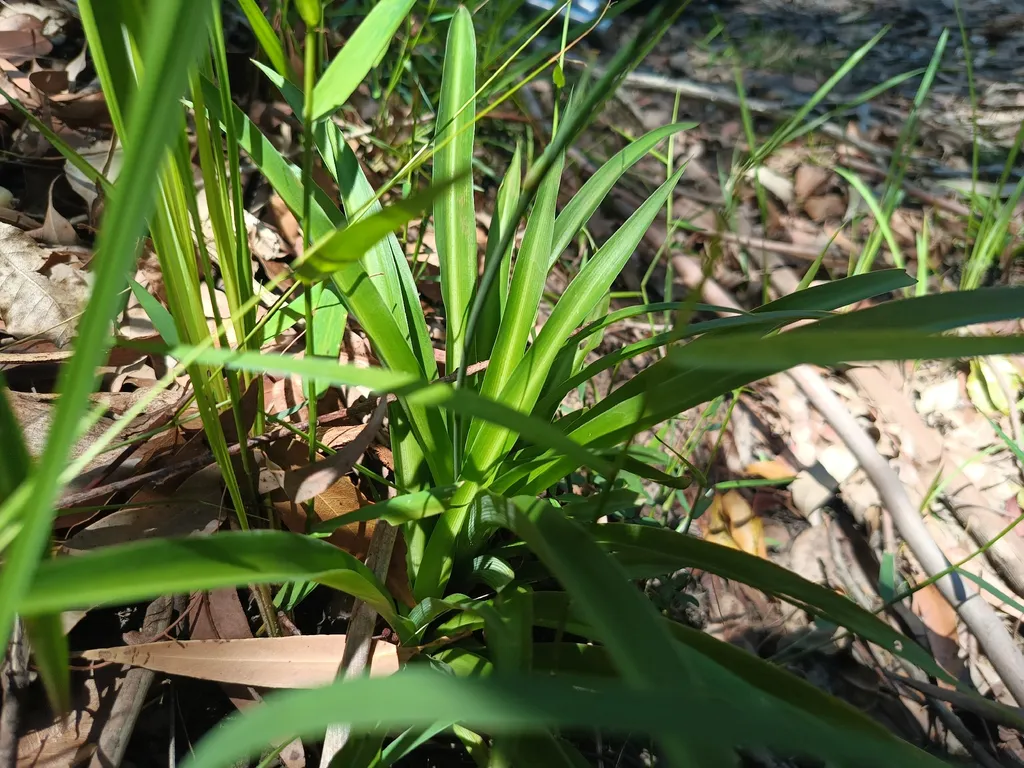
Spider plant boasts arching, green-and-white striped foliage, making it a popular houseplant. Prune in early to late spring to stimulate growth and remove dead or yellowing leaves. Trim back leggy or unkempt growth to maintain shape and encourage fuller foliage. Avoid heavy pruning; focus on light, regular maintenance. Proper pruning enhances air circulation, reducing pest issues and promoting overall plant health. Always use clean, sharp scissors or shears to prevent damage.
进一步了解 →吊兰要如何繁殖?

A popular and resilient houseplant, spider plant is well-known for its easy propagation. Division is a practical approach, requiring gardeners to simply separate the small plantlets, or 'spiderettes', which emerge at the ends of the plant's long stems. These offshoots can be potted directly into fresh soil to begin a new generation. Attention should be paid to root health during this process to promote robust growth. The technique ensures a high success rate, with the compact spiderettes quickly establishing themselves as independent plants.
进一步了解 →吊兰要如何移植?
The best time to transplant spider plant is during mid-spring to late spring, or mid-fall to late fall, as these seasons provide optimal growth conditions. Spider plant thrives in well-drained soil and bright, indirect light. Remember to handle roots gently to ensure successful transplantation.
进一步了解 →吊兰冬季要如何养护?

Spider plant hails from tropical South Africa, naturally acclimated to warm conditions year-round. During winter, it adapts by slowing down growth, rather than outright dormancy. Suitable indoor care includes! Keep temperatures above 50°F, enough light without direct sun, and reduced watering. Overwintering spider plant balance is key - maintaining warmth without overheating and keeping it moist without waterlogging!
进一步了解 →吊兰要如何栽培?
Indoors-potted: Ensure your spider plant has space to showcase its arching foliage and cascading babies, which thrive with consistent indoor temperatures. Outdoors-potted: Outdoor potted spider plant enjoy sheltered patios where they can avoid extreme conditions and display their rapid growth habit. Outdoors-in the ground: In-ground spider plant flourish in temperate climates but beware of frost, which can damage their evergreen leaves.
进一步了解 →吊兰要如何换盆?
For spider plant, a lush, cascading plant, it's best repotted every 2-3 years to accommodate its growth. Early spring is ideal, coordinating with its active growth phase. Select a pot slightly larger than its current one, with good drainage. Post-repotting, ensure bright, indirect light and consistent moisture for recovery. Be mindful; spider plant's fast-growing nature means frequent repotting, ensuring health and vigor.
进一步了解 →吊兰要如何采收?

资料待完善
进一步了解 →常见病虫害

病害
一般无病害
虫害
可能易受介壳虫影响。
浏览病虫害知识库 →吊兰的毒性
资料待完善