



富贵竹的种植与养护

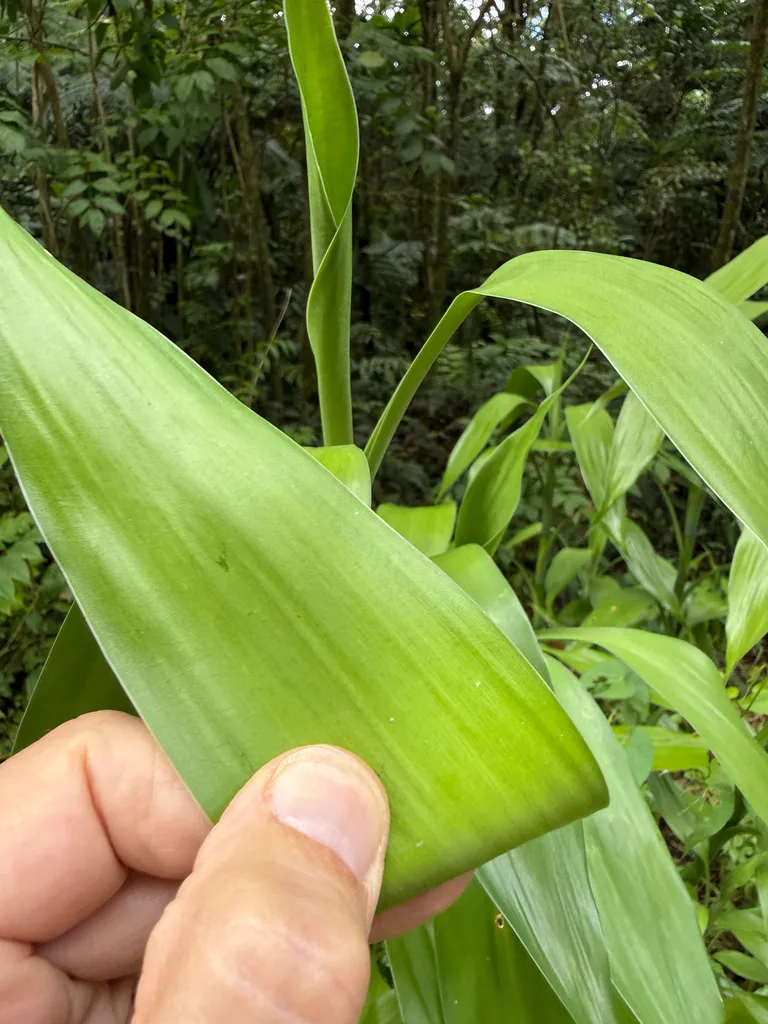
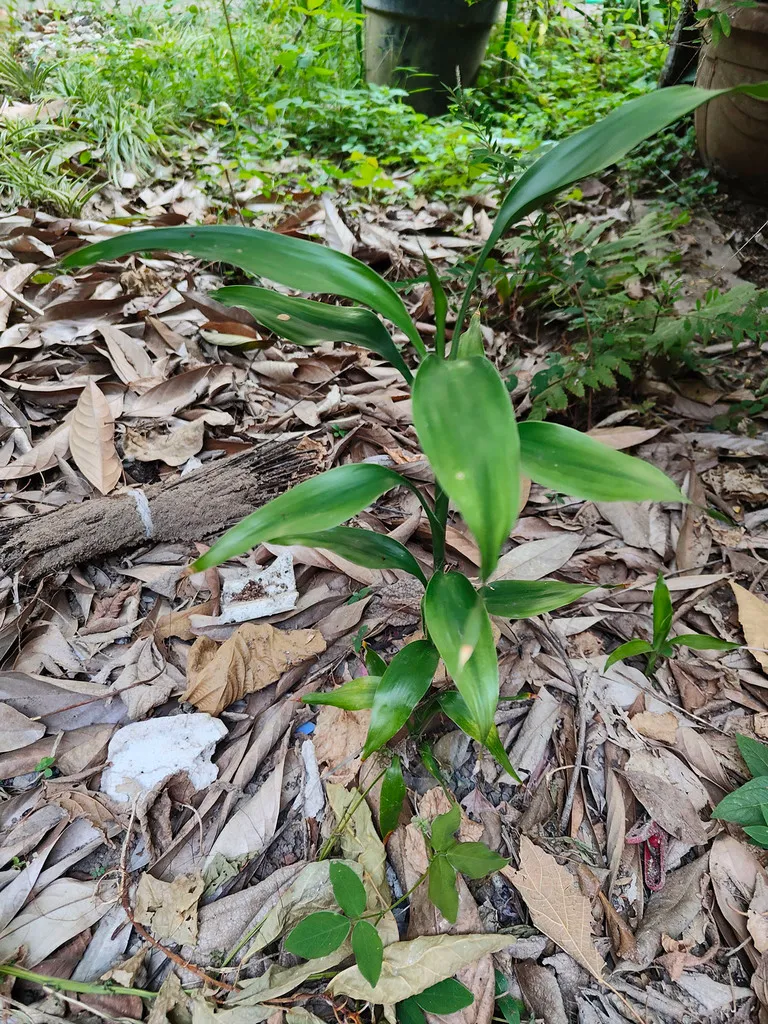
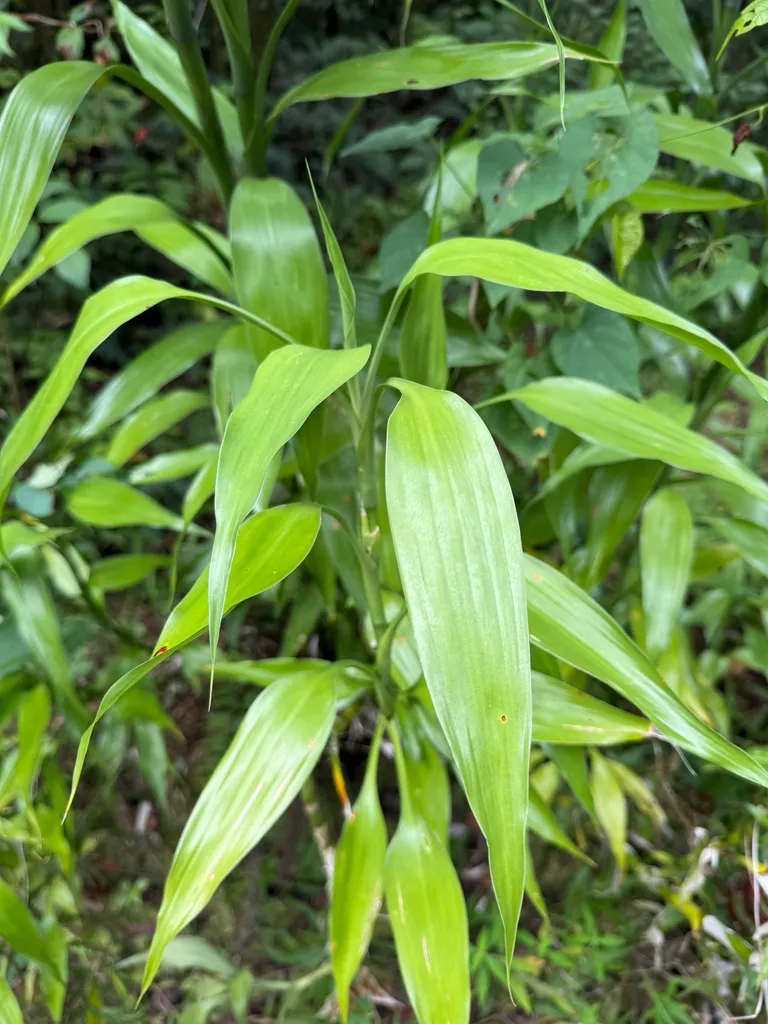
| 养护难度 | 1 / 5 |
|---|---|
| 浇水方式 | 根部浸入水中或保持土壤湿润 |
| 光照需求 | Partial shade |
| 理想温度 | 18 – 27 °C |
| 土壤类型 | Loam |
| 土壤酸碱度 | Acid · Alkaline · Neutral |
| 土壤水分 | Moist but well drained |
| 施肥频率 | 每2-3个月施一次稀释液肥 |
| 毒性 | 资料待完善 |
富贵竹要如何浇水?
Thriving in humid, tropical conditions, lucky bamboo has adapted to consistent moisture levels. This species exhibits a preference for steady humidity and moderate drought tolerance. For optimal health, it should be watered every week. Typically cultivated indoors due to its ornamental appeal and adaptability to lower light conditions, lucky bamboo benefits from being placed in containers that allow for adequate drainage to prevent root rot, which is essential given its sensitivity to overwatering.
进一步了解 →富贵竹需要什么样的光照?
Lucky bamboo thrives under partial sunlight, where it receives bright but filtered light, which promotes robust growth and leaf vibrancy. Although it can adapt to full shade, insufficient light may lead to leggy stems and poor leaf coloration. In indoor environments, placing lucky bamboo near a window with sheer curtains can offer the ideal light quality. For outdoor cultivation, dappled sunlight is best; such as the light under a canopy of trees. Lucky bamboo reveals its adaptability through flexible leaf orientation to optimize light absorption, maintaining health even when light conditions are suboptimal.
进一步了解 →富贵竹的适宜温度是多少?

Lucky bamboo is relatively resilient but does have its limits when it comes to temperature variations. Lucky bamboo can tolerate temperatures as low as 5°C (41°F) and up to 43°C (109°F). These tolerances influence its care requirements significantly. Overcooling can lead to symptoms like yellowing leaves and slowed growth, while overheating may cause leaf scorch or wilting. In colder climates, use protective measures like indoor placement or insulating covers. For extreme heat, consider shading and regular watering. Understanding these temperature ranges helps ensure lucky bamboo thrives in its environment, maintaining its health and appeal.
进一步了解 →富贵竹适合什么土壤?
Lucky bamboo has low requirements on soil. The pH of suitable soil is 6.0-6.5. It likes well-drained and organic-rich soil, avoiding sticky substrates. Wet soil that can lead to rot or fungal issues should be avoided as well. The soil mixed with a small amount of perlite and added with fertilizers free of boron or calcium superphosphate will help their growth. When they are potted, it is recommended to use pottery pots with many drainage holes to ensure smooth drainage. Dracaena braunii (Lucky Bamboo) is often maintained in water, but it can grow better when planted in soil actually.
- 土壤类型
- Loam
- 土壤酸碱度
- Acid · Alkaline · Neutral
富贵竹对水分有什么要求?
Moist but well drained
进一步了解 →富贵竹要如何施肥?

For optimal growth, lucky bamboo flourishes with a balanced liquid fertilizer high in nitrogen, diluted to half-strength, every 4-6 weeks in spring and summer, tapering off to every 8 weeks in fall and winter. Fertilization boosts foliage density and plant robustness. Apply sparingly to avoid root burn, accentuating the plant's specific intolerance to excessive feeding. During dormancy in colder months, reduce frequency to prevent nutrient overload. Use a measured approach, favoring under-fertilization over potential toxicity for lucky bamboo's continued health.
进一步了解 →富贵竹要如何修剪?

Lucky bamboo is distinguished by its slender, bamboo-like appearance. Prune it during early to late winter to control its height and promote bushier growth. Cut above a node using sterilized shears, removing any dead or yellowing leaves. Regular pruning prevents overgrowth and encourages healthier foliage. Always water the plant adequately post-pruning to aid recovery. Pruning helps maintain its aesthetic appeal and vitality, ensuring robust growth.
进一步了解 →富贵竹要如何繁殖?

As a resilient and popular indoor green, lucky bamboo thrives in water or soil mediums. For propagation, select a healthy stem and cut a segment with at least one growth node. Plant this directly in moist potting soil or submerge in water, ensuring the node is adequately covered. New roots typically sprout within weeks, after which the cutting can be potted in soil if it was started in water. Consistent moisture and indirect light facilitate successful growth, while avoiding water with high chlorine or fluoride levels boosts health and vitality.
进一步了解 →富贵竹要如何移植?
The best time to transplant lucky bamboo is mid-spring to late spring, or mid-fall to late fall, as it thrives in milder conditions. Choose a well-lit, warm location for optimal growth. To enhance transplant success, ensure proper drainage and avoid over-watering.
进一步了解 →富贵竹冬季要如何养护?

资料待完善
进一步了解 →富贵竹要如何栽培?
Indoors-potted: Thriving in cozy corners, lucky bamboo adds a touch of greenery indoors and favors stable temperatures away from cold drafts or heating vents. Outdoors-potted: Lucky bamboo appreciates the shelter of a patio but may struggle with extreme weather; move it inside if temperatures dip too low. Outdoors-in the ground: While adaptable, lucky bamboo isn't frost-hardy; it's best grown outside in warm climates where winters are mild to maintain its vibrant foliage.
进一步了解 →富贵竹要如何换盆?
Repot your lucky bamboo every 2-3 years to accommodate its vertical growth. Spring, when growth is more active, is the best time for repotting. Move lucky bamboo to a tall container that allows its roots to spread. For recovery, place lucky bamboo in bright, indirect light and maintain slightly moist soil. Avoid overwatering to prevent root rot in your lucky bamboo, ensuring robust growth post-repotting.
进一步了解 →富贵竹要如何采收?

Potted dracaena plants seldom bloom. However, in case of adequate light, they may have white or purple inflorescences in the summer. But, at the same time, the leaves may be injured by intense light and the color of the leaves may deteriorate.
进一步了解 →常见病虫害

病害
一般无病害
虫害
可能会受到蚧虫和介壳虫的侵扰。
浏览病虫害知识库 →富贵竹的毒性
资料待完善