
Late-Season Garden Blooms: How to Grow and Care for Asters
Discover how to plant, grow, and care for asters—cold-hardy, late-blooming perennials that attract bees, butterflies, and birds. Perfect for borders, rock gardens, or wildflower patches.
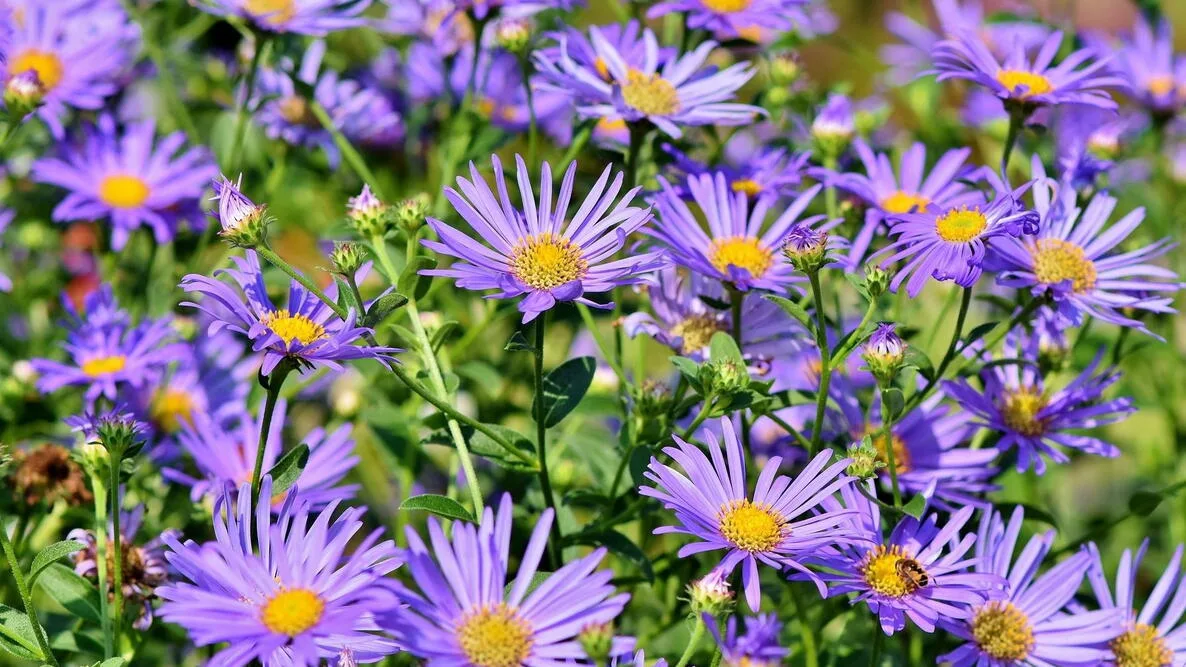
When the garden’s summer show starts to fade, asters steal the spotlight. These daisy-like perennials don’t just brighten your borders—they’re buzzing with pollinator drama!
Bees, butterflies, and even birds can’t resist these late-season stars, making asters the must-have finale for any garden.
Growing 1 to 6 feet tall, depending on variety, these upright flowering plants bear cheerful, star-shaped flower heads ranging from purple to white to blue.
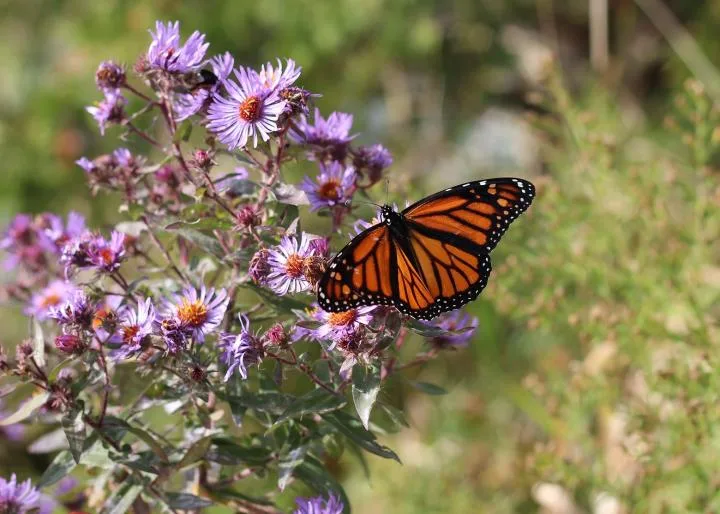
Aster is versatile: Depending on the height, it’s suitable for borders, rock gardens, or wildflower gardens. As well as being a valuable pollinator plant for bees and butterflies, its tasty seed heads are sought by cardinals, chickadees, finches, nuthatches, and many other seed eaters.
According to the North Carolina State Extension, any of the commonly available varieties of this genus “would be a lovely addition to any home garden.” Aster may be planted in a container for use on a porch or patio, the extension notes. It will also add color to a cottage garden or border garden. Butterflies and bees will appreciate the flowers, particularly as summer is ending and the evenings are getting cooler.
Planting
Where to Plant Asters
Asters prefer areas with cool, moist summers and cool nights in sites with full to partial sun. In warmer climates, asters do not like the hot midday sun. Soil should be moist but well-draining and loamy. Wet clay soil will lead to root rot, and dry sandy soil will lead to plant wilt. Mix 2 to 3 inches of compost into the soil before planting.
When to Plant Asters
- The best time to put young aster plants in the ground is in mid- to late spring after the danger of frost has passed. (See local frost dates.)
- Or you can plant mature, potted asters when available at garden centers (typically in the late summer or early fall).
- Asters can be grown from seed, but germination can be uneven. If desired, plant seeds in the fall or start them indoors in the winter.
How to Plant Asters
- When planting young aster plants outside in the spring, space them 1 to 3 feet apart, depending on the type and how large they’re expected to get.
- Fully grown asters, such as those available in late summer or early fall, should be planted about 3 feet apart.
- If planting seeds, sow 1 inch deep in pots or flats and refrigerate them for 4 to 6 weeks to simulate winter dormancy. This cold period will kick-start germination.
- Water well, and spread mulch around the plants to keep the soil cool and prevent weeds.
Growing
Watering
If less than 1 inch of rain falls weekly in summer, water regularly. But beware: Many asters are sensitive to too much or too little moisture. They will lose their lower foliage or not flower well. Watch for stress and try a different watering method if your plants lose flowers.
Fertilizing
Add a thin layer of compost (or a portion of balanced fertilizer) with a 2-inch layer of mulch around the plants every spring to encourage vigorous growth.
Pruning
Pinch or cut back asters by one-third once or twice in the early summer to promote bushier growth and more blooms. Don’t worry, they can take it! Do the Chelsea Chop!
Seasonal Care
In winter, cut back asters after the foliage has died, or leave them through the winter to add some off-season interest to your garden. Birds may munch on the seeds too.
Note: Aster flowers that mature fully may reseed themselves. The resulting asters may not bloom true to their parent. (In other words, you may not get the same color flowers you planted initially!)
Divide every 2 to 3 years in the spring to maintain your plant’s vigor and flower quality.
Harvesting
Cut asters for flower arrangements when blooms are just beginning to open. Vase life is 5 to 10 days.
Asters have side shoots, which will continue to develop. These can be cut for indoor arrangements once they are the size you like.
Learn more about keeping cut flowers fresh.
Pests and Problems
Diseases: aster yellows; Botrytis blight; leaf spot, fungal; fusarium wilt; powdery mildew; rhizoctonia root and stem; rot; rust; verticillium wilt; white smut.
Pests: aphids, foliar nematodes, slugs and snails, tarsonemid mites.
FAQs
When is the best time to plant asters?
Plant asters in spring after the last frost or in early fall. Spring planting allows roots to establish before the heat, while fall planting lets perennials overwinter and bloom next season.
How tall do asters grow?
Depending on the variety, asters can grow anywhere from 1 to 6 feet tall. Choose shorter varieties for borders or containers and taller ones for the backs of flower beds.
Which asters attract the most pollinators?
Native asters like New England and New York asters are particularly popular with bees, butterflies, and seed-eating birds. Planting a mix of colors and heights boosts pollinator visits.
How should I care for asters?
Asters prefer full sun, well-draining soil, and moderate watering. Deadhead spent flowers to encourage continuous bloom and cut back plants in late fall to maintain healthy growth.
Are asters deer-resistant?
Yes! Most asters are considered deer-resistant, making them a great choice for gardens where deer are a concern.
Types
Even though there are more than 600 aster species, the most common asters available in North America are the New England aster (Symphyotrichum novae-angliae) and the New York aster (S. novi-belgii). Both of these plants are native to North America and are great flowers for pollinators. We recommend planting a native species of aster over a non-native species when possible, so talk with your local Cooperative Extension or garden center about which species are best suited to your area. Look for varieties with disease resistance.
North American Asters
- Aromatic aster (Symphyotrichum oblongifolium): Multi-branched at the base, stiff upright stems, with lavender or pink flowers.
- Blue wood aster (S. cordifolium): Bushy with small, blue-to-white flowers.
- Heath aster (S. ericoides): A low-growing ground cover (similar to creeping phlox) with small, white flowers.
- New England asters (S. novae-angliae): Varieties have a range of flower colors, from magenta to deep purple. They typically grow larger than New York asters, though some varieties are smaller.
- New York asters (S. novi-belgii): There are many varieties of New York asters available. Their flowers range from bright pink to bluish-purple and can be double, semi-double, or single.
- Smooth aster (S. laeve): A tall, upright aster with small, lavender flowers.
European/Eurasian Asters
- Frikart’s aster (Aster x frikartii) ‘Mönch’: Hailing from Switzerland, this mid-sized aster has large, lilac-blue flowers.
- Rhone aster (A. sedifolius) ‘Nanus’: This aster is known for its small, star-shaped, lilac-blue flowers and compact growth.
Wit and Wisdom
- The name aster comes from the Ancient Greek word for “star”—a reference to the plant’s star-shaped flowers.
- Asters are called Michaelmas daisies because they bloom around September 29, the ancient feast day of St. Michael, and a quarter day, marking the transition to autumn Learn more about Quarter Days!
Asters, one of September’s birth flowers, were once burned to ward off serpents.
“The asters twinkle in clusters bright,
While the corn grows ripe and the apples mellow.”
–Celia Thaxter, American poet (1835–1894)