
How to Plant and Grow Basil
Learn how to grow basil from seed or transplants, including when and how to plant basil, how much sun and water it needs, and how to harvest it so it keeps growing.
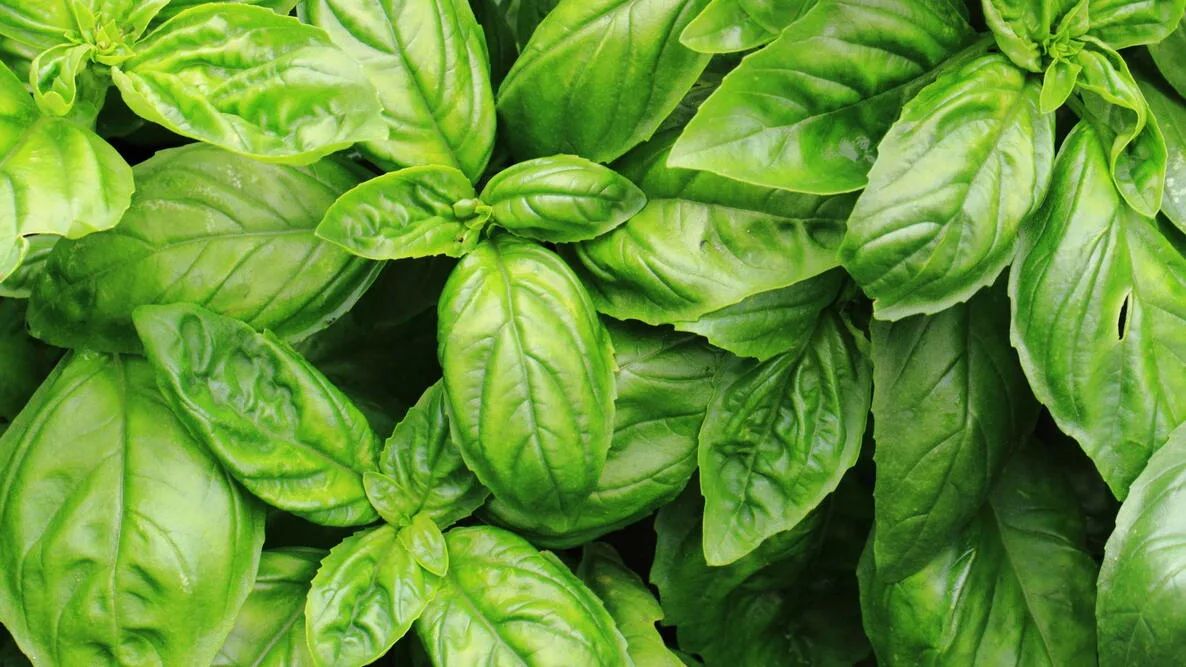
Basil is one of summer’s great pleasures—and fortunately, it’s also easy to grow once the weather warms up. Give it plenty of sun, wait until the danger of frost has passed before planting outdoors, and pinch or harvest the stems regularly to keep plants bushy and productive.
Whether you start with seeds or a small transplant, basil grows happily in the garden or in containers—and even indoors with enough light. We’ll show you when and how to plant it, how to care for it through the season, and how to keep the fresh leaves coming.
Planting
When to Plant Basil
Wait until after the danger of frost has passed before planting basil outdoors. Basil loves warmth, so for best growth, wait until the soil has warmed and nighttime temperatures are consistently above 50°F (10°C).
If starting basil from seed, sow indoors 6 to 8 weeks before your last spring frost date, then transplant seedlings outside once conditions are warm enough. University of Minnesota Extension
Don’t rush basil! Without warmth, it simply won’t take off.
| If you’re… | When to start |
|---|---|
| Starting basil seeds indoors | 6–8 weeks before the last spring frost |
| Planting basil outdoors | After frost danger has passed and nights stay above 50°F |
Where to Plant Basil
Plant basil where it will get 6 to 8 hours of sun each day. In very hot climates, a little afternoon shade can help protect the leaves from heat stress. Indoors, place basil in your sunniest window or under grow lights.
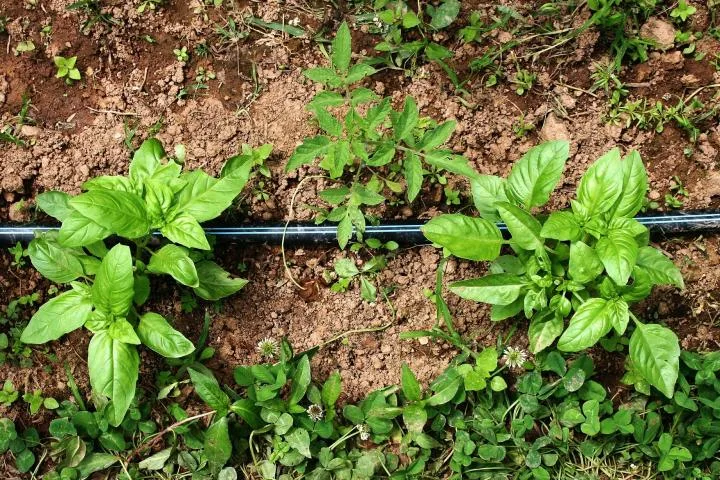
One handy trick is to tuck basil beside taller plants, such as tomatoes, where it can get a little relief from the strongest afternoon sun. Basil and tomatoes are also classic garden companions, which makes them an easy pairing in the vegetable garden.
Choose a spot with well-drained soil that stays evenly moist. Basil grows happily in garden beds, raised beds, and containers. If you’re checking soil pH, aim for about 6.0 to 7.5.
How to Plant Basil
- To start basil from seed indoors, fill pots or seedling trays with seed-starting mix and sow 2 seeds per pot or cell, about ¼ inch deep. Keep the mix moist and place the trays under grow lights; a heating mat can help speed germination. Basil usually sprouts in about 5 to 7 days. Once the seedlings develop true leaves, snip off the weaker one so just one plant remains in each pot or cell.
- To transplant basil outdoors, wait until the weather has warmed, then set seedlings or nursery plants at the same depth they were growing in their pots. Space plants about 10 to 12 inches apart.
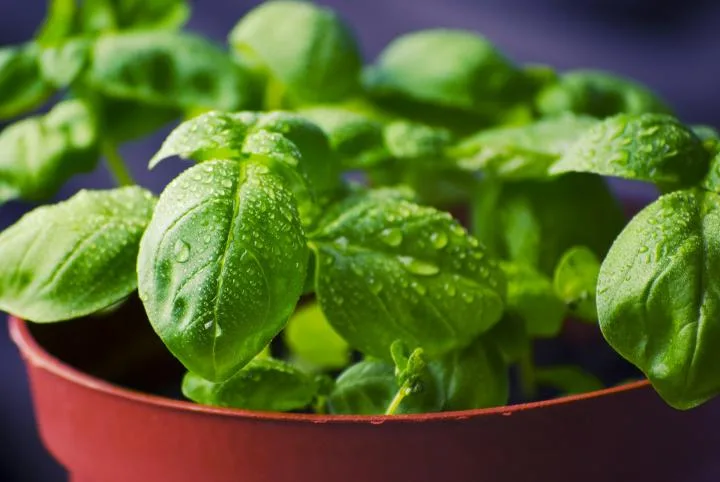
- Growing basil in a container? Give each plant its own pot with good drainage. A container at least 6 to 10 inches across works for a single plant, though a larger pot will dry out more slowly.
- After planting, add a 2- to 3-inch layer of mulch or compost around the plants to help hold moisture and suppress weeds.
Growing
Watering
Keep basil evenly moist, but don’t let the soil stay soggy. Water when the top inch of soil feels dry; container plants usually need water more often than basil growing in the ground.
During hot summer weather, check basil frequently—especially pots, which can dry out quickly. If you live in a hot area, adding mulch helps hold moisture longer and reduce how often you need to water.
Fertilizing
Basil doesn’t need heavy feeding. If growth slows or leaves look pale, feed plants lightly with a balanced liquid fertilizer during the growing season. Container-grown basil may need more frequent feeding because nutrients wash out with regular watering.
Pruning or Maintenance
Pinch basil regularly to keep plants bushy and producing new leaves. Once a young plant has several sets of true leaves, pinch the stem just above a pair of leaves. New branches will grow from that spot, making the plant fuller.
Continue pinching or harvesting every week or two as the plant grows. If flower buds appear, pinch them off to keep the plant focused on leaf production—unless you’d rather leave some blooms for pollinators.
That’s much easier for a beginner to understand than “pinch the leaves back to just above the second set of leaves.”
Temperatures and Seasonal Care
Basil loves warmth but is very sensitive to cold. If a late chill threatens, protect plants with a frost cover or move containers indoors. Before the first fall frost, harvest the remaining leaves—basil will not survive freezing temperatures.
In very hot weather, basil may need more frequent watering, and a little afternoon shade can help in especially hot climates. Check container-grown plants often; they can dry out much faster than plants in the ground.
Harvesting
When to Harvest Basil
Start harvesting basil once the plant is about 6 to 8 inches tall and has several healthy sets of leaves. Pick regularly through the growing season, ideally before the plant flowers, when the leaves are still tender and flavorful.
For the best flavor, harvest in the morning after the dew has dried but before the heat of the day. This is one of those small gardening habits that really does make a difference.
How to Harvest Basil
To harvest basil so it keeps growing, cut or pinch stems just above a pair of leaves. New branches will grow from that point, helping the plant stay full and productive.
Don’t be shy about harvesting basil. The more regularly you pinch and pick it, the better it tends to branch. Even if you don’t need a big handful that day, a little trimming helps keep the plant going.
Try not to remove more than about one-third of the plant at once.
How to Store Basil
For fresh basil, one of the easiest tricks is to treat it like a bouquet of flowers: place the cut stems in a glass of water at room temperature.
Basil can be surprisingly fussy about the cold, so the refrigerator isn’t always its friend; the leaves may darken if they get too cold.
For longer storage, freeze whole or chopped leaves in airtight containers, or freeze chopped basil in ice cube trays with a little water or oil. Freezing is especially handy when the plants suddenly start producing more basil than you know what to do with.
Basil can also be dried in a dehydrator or on drying racks. Once the leaves are completely crisp, store them in an airtight container away from heat and light.
Pests and Problems
Basil is usually easygoing, but when something goes wrong, the leaves often tell you first. Here are some of the most common signs to watch for—and what to do about them.
Common Problems
- Leaves are wilting: Check the soil first. Basil wilts when it gets too dry, but constantly soggy soil can also damage the roots. Water when the top inch of soil feels dry, and make sure excess water can drain away.
- Leaves turn black or look scorched: Cold temperatures can blacken basil leaves, while intense heat and sun can cause wilting or scorched patches. Protect plants from chilly nights and give them a little afternoon shade during extreme heat.
- The plant is flowering instead of making lots of leaves: Your basil is bolting. Pinch off flower buds and keep harvesting regularly to encourage more leafy growth.
Common Pests
- Leaves look curled, distorted, or sticky: Check new growth and the undersides of leaves for aphids. Knock small infestations off with a strong spray of water and repeat as needed.
- Leaves have large, ragged holes—or young plants seem to disappear overnight: Slugs or snails may be feeding after dark. Hand-pick them in the evening or early morning, and remove damp debris or other hiding places around the plants.
Plant Diseases
- Leaves are turning yellow, especially on the lower part of the plant: Turn a leaf over. If you see gray or fuzzy growth underneath, basil downy mildew may be the cause. Remove badly affected plants, avoid crowding, and improve air circulation. Resistant basil varieties can also help.
- Plants suddenly become stunted or wilt even though the soil is moist: Fusarium wilt may be responsible, especially if stems show brown streaking. Remove affected plants, clean up infected plant debris, and avoid growing susceptible basil in the same spot again. Resistant varieties are the best prevention.
Types
Types of Basil
- Sweet basil or Genovese basil is the classic basil most gardeners know, with large green leaves and the familiar sweet, peppery flavor used in pesto and other summer dishes. It is a good all-purpose choice for garden beds and containers.
- Cinnamon basil has green leaves with purple stems and flowers, plus a mild cinnamon-spice aroma. It grows tall and makes an attractive choice for both herb gardens and ornamental beds.
- Purple basil has deep burgundy leaves that add striking color to containers and garden beds. Its flavor is similar to sweet basil but a little more assertive.
- Thai basil has narrow green leaves, purple stems, and a distinctive licorice-like flavor. It also holds up well in hot weather.
See our guide to basil varieties for more choices.
Wit and Wisdom
- Basil has a wonderful fragrance. Snip a few stems and keep them in a glass of water like cut flowers—you’ll get both fresh leaves and a little bit of summer on the windowsill.
- Sweet basil is thought to have originated in India and other tropical parts of Asia.
- In the traditional language of plants, basil has long been associated with love and romance. In Italy, a sprig of basil was sometimes worn as a sign of romantic interest.