
Planting and Growing Bee Balm (Monarda)
Bee balm is a native North American plant known for its attractive scarlet flowers and fragrant foliage (pollinators love it!). Learn how to plant, grow, and care for bee balm with this growing guide.
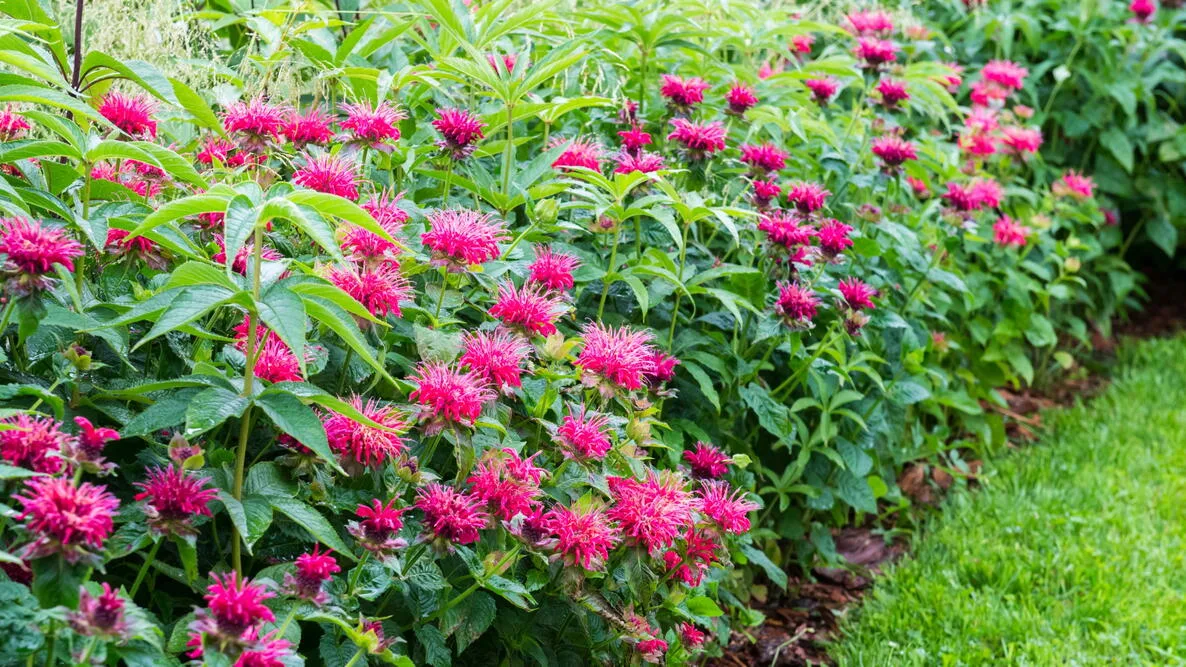
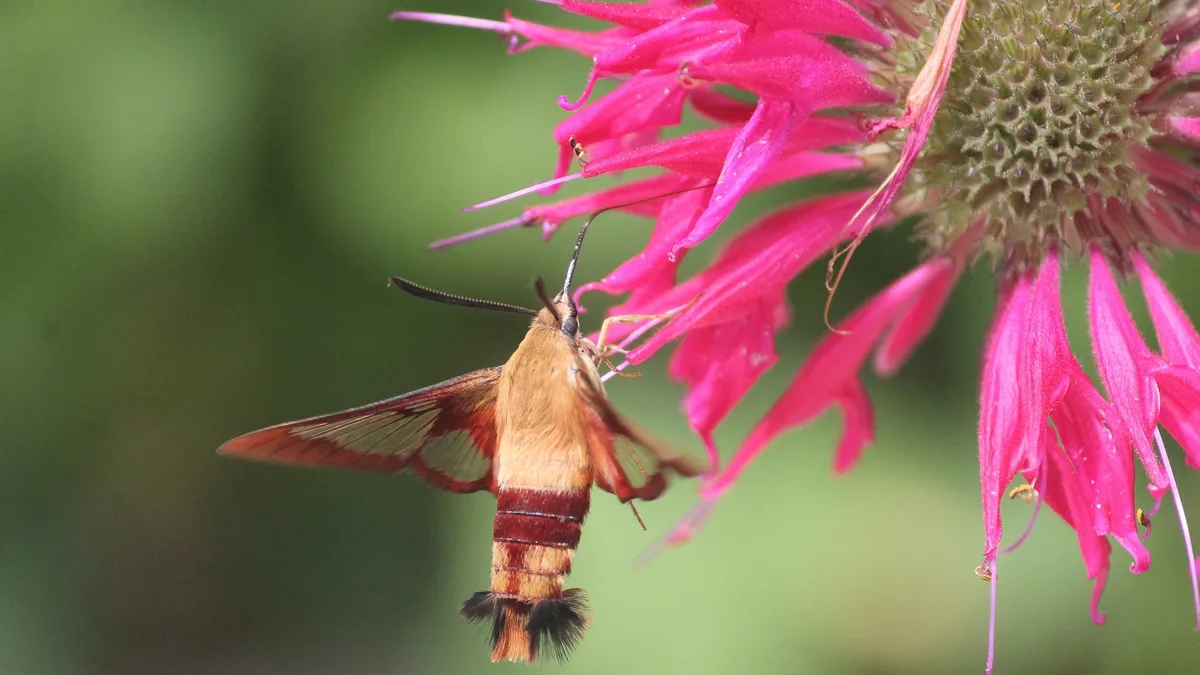
Bee balm is a native North American clump-forming perennial that blooms in summer and lights up the garden with colorful, nectar-rich flowers and fragrant foliage. This easy-to-care-for plant is beloved by hummingbirds, bees, butterflies, and hummingbird moths—making it a standout choice for pollinator and native plant gardens.
Learn how to plant, grow, and care for bee balm, including tips for preventing powdery mildew and choosing native varieties such as wild bergamot (Monarda fistulosa) known for its lavender-pink tubular flowers, and scarlet bee balm (Monarda didyma) known for its red blossoms.
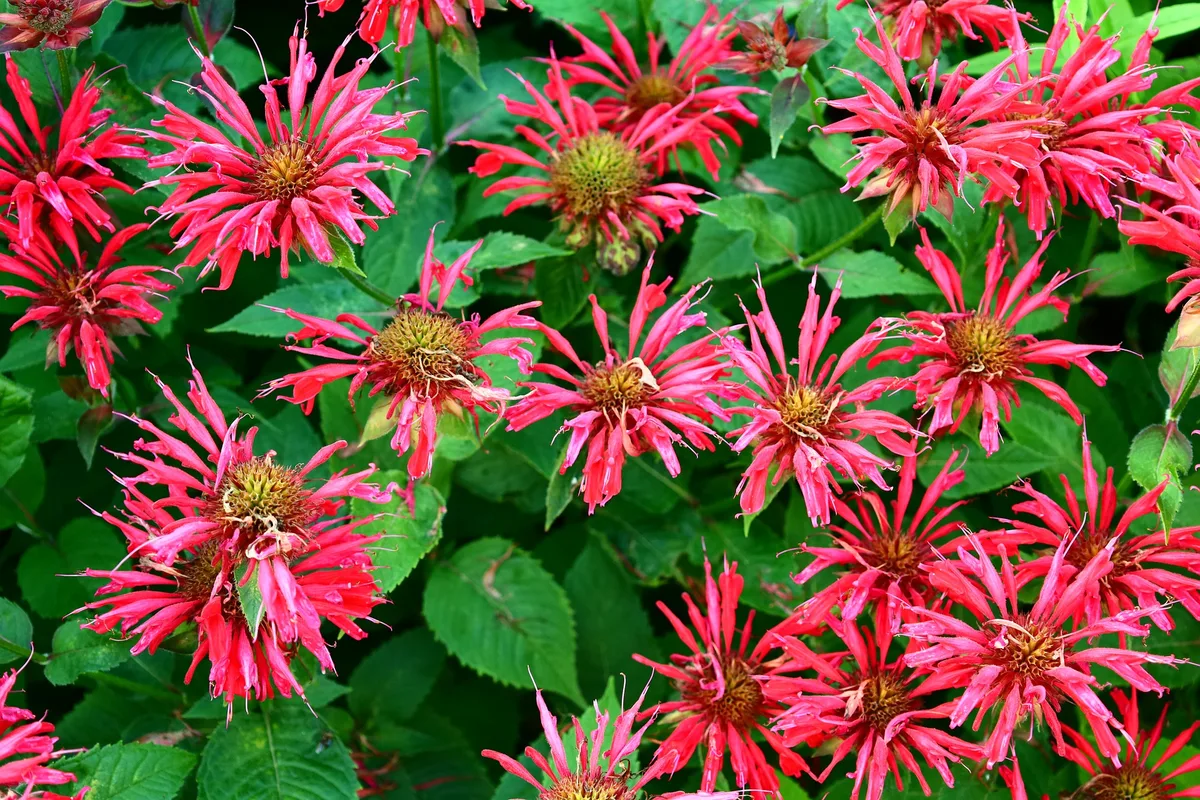
Flowers appear in 2- to 3-inch-wide heads from June through July, with colors ranging from white and pink to red, lavender, and purple. The flowers’ tubular shape makes them especially attractive to long-tongued pollinators, including hummingbirds and native bees. Find more flowers that are great for bees,
Pollinator Value
In the garden, bee balm is visited most often by hummingbirds, bees, butterflies, and hummingbird moths, all of which can reach the nectar deep inside the tubular flowers. See more flowers to attract butterflies and hummingbirds!
Bumblebees and a few other insects are too big to get into some of the smaller tubular flowers of some bee balms, so the insects practice something called “nectar robbing.” The insects bite small holes at the base of the flowers to reach nectar without pollinating the plant. While fascinating to observe, this behavior does not significantly harm the plant.
After flowering, seed heads attract birds in fall and winter, extending bee balm’s value beyond the growing season. See 12 plants with seed heads for the birds.
Garden Design Use
Growing 2 to 4 feet tall, bee balm works well as a background or mid-border plant in flower beds and native plantings. Its bold flowers pair beautifully with coneflowers, black-eyed Susans, phlox, and ornamental grasses.
Bee balm is especially effective in:
- Pollinator gardens
- Native wildflower gardens
- Cottage-style plantings
Check out this video to learn more about the benefits of growing bee balm:
Planting
Where to Plant Bee Balm
Bee balm grows best in full sun (at least 6 hours daily). While it tolerates partial shade, plants grown with less sun:
- produce fewer flowers
- are more prone to powdery mildew
Provide moist, well-draining soil with a neutral to slightly acidic pH. Improve heavy or poor soil with compost or aged manure before planting.
When to Plant Bee Balm
- Plant bee balm in spring or fall
- Spring is the best time to divide and transplant established plants
How to Plant Bee Balm
Good air circulation is essential to prevent disease.
- Space plants 18 to 24 inches apart
- Water thoroughly after planting
- Avoid overcrowding, which encourages powdery mildew
Growing
How to Care for Bee Balm
- Keep soil evenly moist, especially during dry spells
- Water every 7 to 10 days, soaking soil 6 to 8 inches deep
- Apply mulch to conserve moisture and suppress weeds
Fertilizing
- Bee balm generally does not need fertilizer. Too much nitrogen encourages leafy growth at the expense of flowers and increases disease risk.
- Avoid fertilizer in general; apply only a sprinkling of a balanced product in spring, if desired.
Pruning & Deadheading
- Deadhead spent blooms to encourage reblooming in late summer
- Cutting the main stem promotes flowering on side shootsSee your local frost dates here
- After frost, leave seed heads for birds or cut stems back to 2 inches above the soil (See your local frost dates here)
Dividing
Divide bee balm every 2 to 3 years to maintain vigor. (Clumps tend to die out from the center.)
Harvesting
Bee balm makes an excellent cut flower. Its aromatic leaves add fragrance to indoor arrangements.
- Cut flowers just as they begin to open
- Side shoots will continue blooming
- Vase life—about 7 days
Pests and Problems
Types
- Monarda didyma (scarlet bee balm): bright red flowers; 3–4 feet tall. Mildew-resistant cultivars include:
- ‘Marshall’s Delight’ (pink)
- ‘Jacob Cline’ (deep red)
- ‘Raspberry Wine’ (dark red)
- Monarda fistulosa (Wild Bergamot): Native wildflower with lavender-pink blooms; late summer flowering; drought-tolerant once established
- Monarda pringlei: compact; grow to 18 inches, highly mildew-resistant
- ‘Petite Wonder’
- ‘Petite Delight’ (pink)
Wit and Wisdom
- The name bee balm comes from its historical use as a soothing treatment for bee stings.
- Native Americans and early colonists used bee balm leaves and flowers to make medicinal salves, teas, and drinks.
- A traditional tea made from bee balm was known as Oswego tea, named after a Native American word for a river in present-day New York.
- Bee balm belongs to the mint family (Lamiaceae) and has fragrant foliage that’s sometimes used in herbal teas, salads, and garnishes. The flowers are edible, too.
- Despite its name, wild bergamot bee balm is not the source of the bergamot flavor in Earl Grey tea, which comes from the rind of the bergamot orange, a citrus fruit.