
Planting and Growing Bleeding Hearts
Learn when to plant bleeding heart flowers and how to care for this perennial of the shady flower garden. This hardy plant blooms in early spring. Learn more.
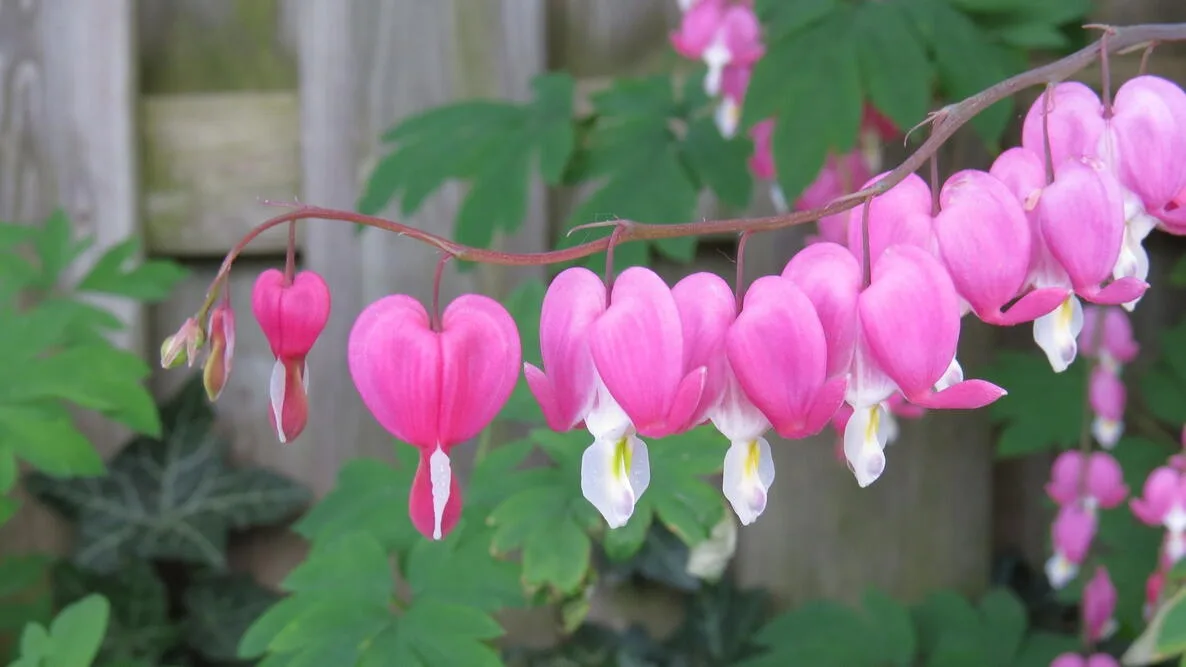
The old-fashioned bleeding heart flower has long been a favorite perennial of the shady flower garden. This hardy plant blooms prolifically in early spring and finishes its growing cycle when warm weather sets in.
Learn when to plant bleeding heart and how to care for it, and find other tips in our growing guide.
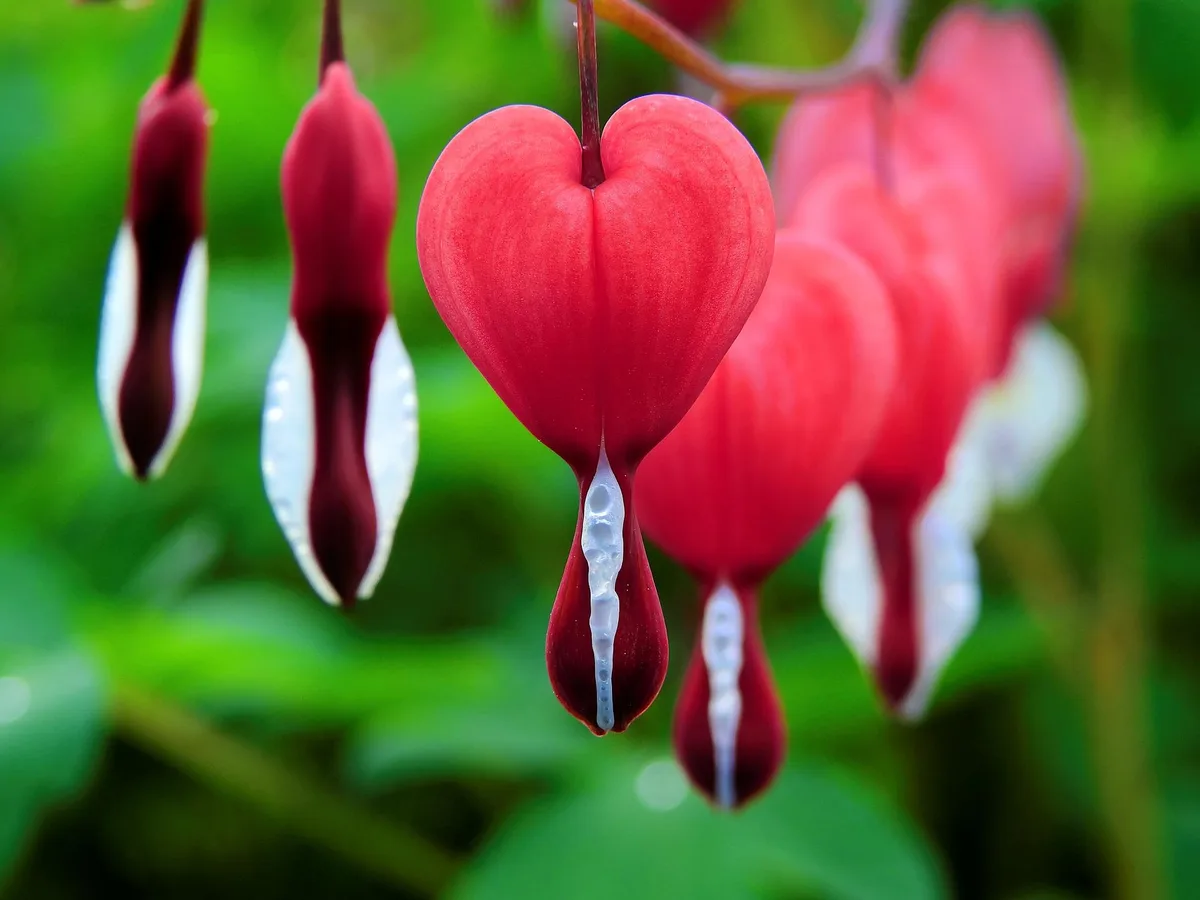
Once called the finest hardy plant of the 19th century, bleeding hearts soon became as “common as a wallpaper pattern.” Today, this perennial is in favor because it is easy to grow, and nothing surpasses its attention-getting form: graceful arching, 3-foot stems adorned with dangling pink, red, or white flower hearts. The hearts appear to be dripping (hence the plant’s most common name).
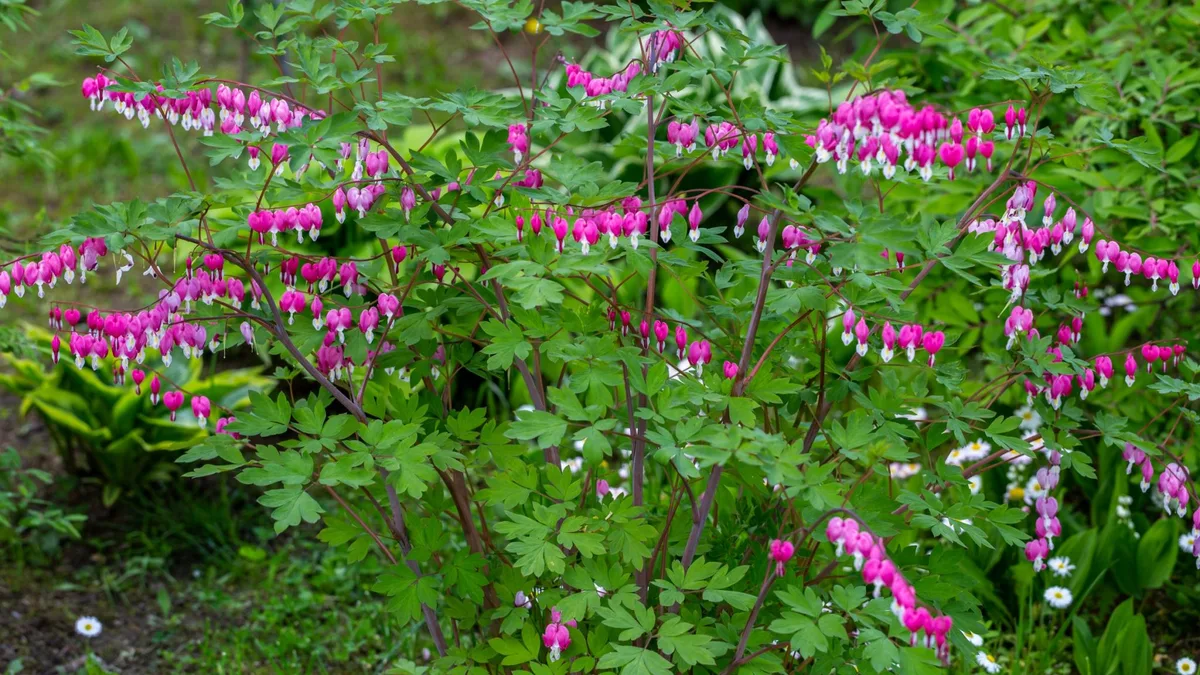
Blooming in the spring, bleeding heart will grow up to 2 feet tall and up to 30 inches wide. It finishes its growing cycle when warm weather sets in. The flowers fade, the leaves die back, and the plant goes dormant in late spring or early summer.
Planting
When to Plant Bleeding Hearts
Plant tubers in spring after the threat of frost has passed or in the early fall. (See local frost dates.)
Where to Plant Bleeding Hearts
Bleeding hearts are woodland plants, so they enjoy the partial shade of spring-flowering trees such as dogwoods and serviceberries. They won’t flower in deep shade. Near the house, mix with hostas and lamium for texture.
Bleeding hearts are hardy in Zones 2 to 9. Choose a site with part sun or light shade. The soil must be fertile like their woodland environment; add organic matter such as decayed leaves (leaf mold) or good compost. Ensure soil is well-draining but generally moist, never dried out.
Mix in shade-loving perennials that bloom in mid- to late summer to fill the space as bleeding heart goes dormant. Hostas and coral bells are examples.
How to Plant Bleeding Heart
- Space old-fashioned bleeding hearts about 24 inches apart.
- Loosen the soil to 1 foot deep, mix in organic matter, and plant tubers about an inch below the surface; backfill and firm soil.
- Water to soak the soil after planting.
- Spread mulch (such as decayed leaves) around the plant to keep moisture in and weeds out.
Growing
Watering
Keep soil moist, but not soggy. If your plant is new, we would suggest watering weekly during the first season. But once established, only water if rainfall is less than 1 inch per week.
Fertilizing
In spring, apply a thin layer of compost, followed by mulch, to help retain moisture (and deter weeds). Soil rich with organic matter is all the fertilizer this plant needs.
Deadheading
Deadheading faded flowers can prolong blooming in some varieties.
When the plant goes dormant, you may cut back the leaves and stems when they begin to yellow and wither away. Leave 1 inch of stalk to protect the crown during the winter months.
Plant shade-loving annuals like begonias or impatiens in the garden space where the bleeding heart grew.
Dividing Bleeding Heart
Bleeding heart does not like being moved. It will thrive for years without being divided or replanted. If transplanting is necessary, do it as soon as the first leaves poke out of the soil in early spring.
Propagate by division in early spring, just before growth starts or by root cuttings in autumn. Bleeding heart also self-sows prodigiously.
Harvesting
Entire stems of bleeding heart can be used as cut flowers. Vase life is up to 2 weeks.
The bleeding heart is lovely as a pressed flower. Pick flowers early in the morning after the dew has dried. Put them between two sheets of paper and place this bundle between the pages of a thick book. After a couple of weeks you’ll have perfect flat, papery hearts. See how to press flowers.
Pests and Problems
Bleeding Heart Problems
Bleeding heart is generally easy to grow and is resistant to deer and rabbits, making it a reliable choice for shade gardens.
However, it prefers cool temperatures, moist but well-drained soil, and good air circulation. Hot, dry conditions can cause plants to go dormant early or reduce flowering.
Bleeding Heart Pests
Bleeding heart may occasionally be affected by aphids.
Aphids feed on plant sap, which can cause curled or distorted leaves and sticky “honeydew” on foliage. Severe infestations may weaken growth.
To help prevent pest problems:
- Inspect plants regularly, especially new growth
- Spray aphids off with a strong stream of water
- Encourage beneficial insects like ladybugs and lacewings
- Avoid excessive nitrogen, which can encourage tender growth
Bleeding Heart Diseases and Problems
Bleeding heart can be affected by several diseases, especially in wet or poorly ventilated conditions. Common issues include aster yellows, southern blight, fungal leaf spot, powdery mildew, Fusarium wilt, and Verticillium wilt.
These problems may cause yellowing foliage, stunted growth, wilting, leaf spots, or plant decline.
To help prevent disease:
- Plant in well-drained soil
- Provide good air circulation
- Avoid overhead watering
- Remove and discard infected plant material promptly
Types
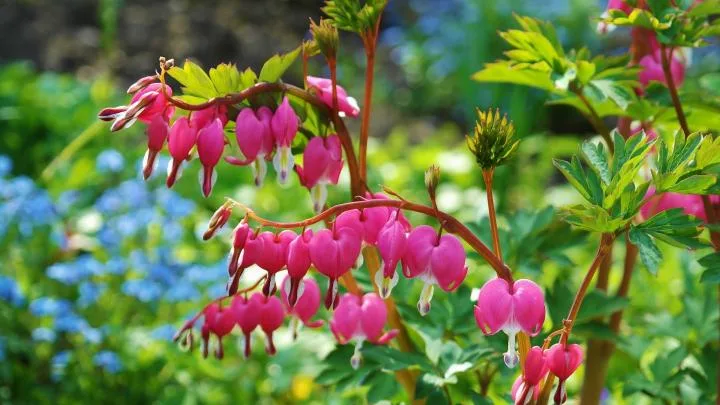
There are more than 20 species of Dicentra. Many new hybrids have been developed to increase heat tolerance and vigor.
- Dicentra spectabilis ‘Gold Heart’: chartreuse foliage
- D. spectabilis ‘Alba’: white flowers
- D. spectabilis ‘Valentine’: white-tip cherry-red blooms on burgundy stems
- D. eximia ‘Zestful’: native to North America; “fringed” (fern-leaf) foliage with pale pink flowers; 12-18 inches tall
- D. extimia ‘King of Hearts’: small, fern-leaf foliage, with rose-red flowers
- D. eximia ‘Aurora’: small, fern-leaf foliage, with white blooms
- D. cucullaria (aka “Dutchman breeches”): native to North America; fragrant, yellow-tip white flowers resembling pantaloons; 4 to 12 inches tall
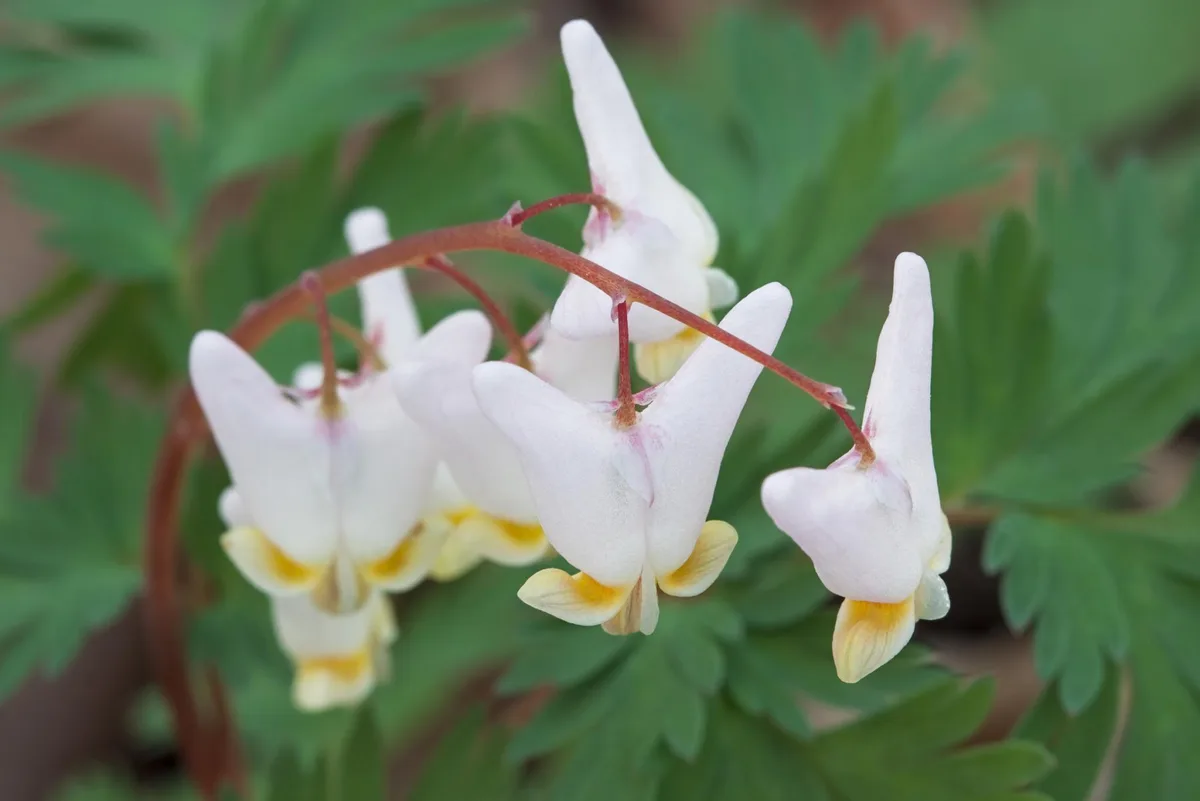
Credit: Mike Truchon/Shutterstock
Wit and Wisdom
- This early-spring bloomer is also known as lady’s locket, lady’s heart, and lyre flower.
- Dicentra spectabilis is native to northeastern China, Japan, and Korea.