
How to Grow Diascias: The Complete Diascia (Twinspur) Flower Guide
Discover the magic of Diascia flowers, charming annuals & perennials that grace gardens with snapdragon-like bloom. Attract hummingbirds & butterflies, learn about their easy care, & find planting tips for Diascia flowers (twinspur).
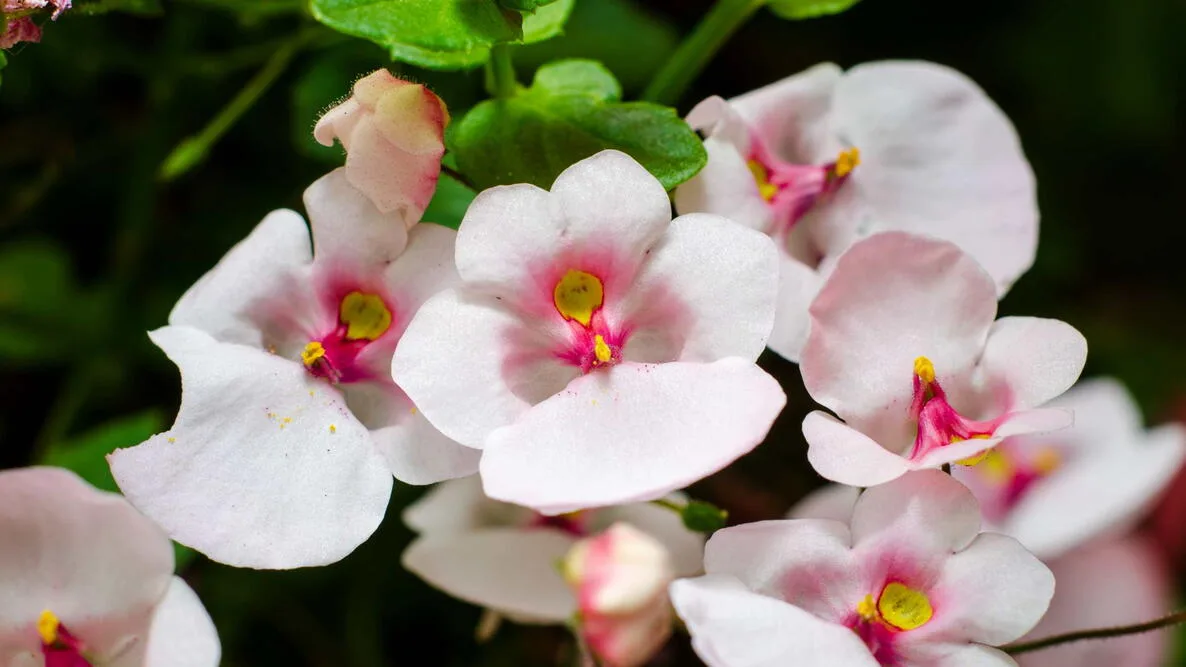
Diascia, also known as Twinspur, thrives in cool weather, gracing gardens from spring to autumn. Their tiny snapdragon-like flowers, adorned with two signature spurs, erupt in cheerful profusion— blanketing borders, overflowing hanging baskets, and adding a touch of whimsy to containers.
Learn how to plant, grow, and care for Diascia flowers.
The common name for Diacsia, Twinspur, stems from the small horn- or spurlike shapes that appear at the back of most blooms (not all 70 species of Diascia produce spurs). These tiny receptacles secrete oil that is collected by female pollinating bees of the Rediviva genus, such as the Black Daddy Longlegs Oil Bee, which, like the genus, was originally native to South Africa. Such bees feed the oil to their offspring and line their nests with it.
When introduced in England in the 1870s, Diascia barberae was deemed insignificant. More than a century later, two botanists undertook a study of the genus and introduced several species into Great Britain. In the ensuing years, commercial hybrids became widely available; many were bred from D. barberae.
Today’s Diascia varieties are indeed varied. Some are annuals, reaching no more than a foot tall; some perennials stand several feet tall on softwood. The flowers resemble those of their cousin, the snapdragon, although they are larger and, depending on the cultivar, can be orange, reddish, coral, pink, salmon, or white.
Is Diascia an Annual or a Perennial?
Diascia is a tender herbaceous perennial; some species are winter-hardy from Zones 7 or 8 to 11, but most are treated as annuals. The plant is suitable for in-ground planting but may fare better in containers, where good drainage can be better controlled.
Planting
These versatile charmers adapt to various sun exposures, tolerating light shade and basking in dappled sunlight. Well-drained soil is key, allowing their delicate roots to breathe. Upright and trailing varieties cater to diverse needs, cascading prettily from window boxes or forming a vibrant carpet when planted in beds.
Diascia performs best in moderately fertile, slightly acidic (6.0 to 6.5 pH) soil that is consistently moist yet well-draining. (Dry soil temporarily halts flower production.)
Fertilize lightly with a slow-release formula; too much may make the plant leggy.
Propagating Diascia
Although seeds may be available, purchasing new plants or propagating from cuttings is recommended. Prepare slightly damp, well-draining potting mix in 4-inch pots. Dip 4- to 6-inch cuttings of nonflowering stems into rooting hormone and plant them. Cover with a plastic bag and set aside in a cool spot out of direct sunlight. If moisture forms on the plastic, remove it. When roots form, move to a bright location.
Growing
Diascia is a gardener’s dream, requiring minimal maintenance. Regular watering and occasional deadheading to encourage continuous blooming are all they need to flourish. Pinch stems to promote bushiness—deadhead for continuous bloom.
Diascia prefers cooler temperatures, between 70° and 79°F during the day and 50° and 59°F at night; it blooms best in spring and fall.
Hot summer conditions can cause plants to wilt, but do not despair if this happens. Provide afternoon shade; cut stems back to a few inches, and continue watering. Blooming should resume in the fall.
Although Diascia is somewhat frost-tolerant, protection is recommended if frost threatens. Learn how to protect your plants from frost.
Overwintering is seldom advised; propagation of new plants is recommended for the best flower display.
Types
Diascia varieties come in almost countless colors and several forms; check specific plant details before purchasing. Here are a few examples; not all are available everywhere, and there are many more.
- Diascia barberae: pink flowers; 9 to 12 inches tall, 12 to 18 inches wide.
- D. ‘Flirtation’ series: pale orange or pink flowers; 8 to 12 inches tall.
- D. integerrima ‘Coral Canyon’: salmon-pink flowers; 12 to 18 inches tall; grows in clumps, with upright, wiry stems; most hardy, up to Zone 5.
- D. personata: pink flowers; up to 4 feet tall, 3 feet wide; suitable for large containers.
- D. ‘Piccadilly’ series: several colors; 7 to 9 inches tall.
Wit and Wisdom
- Diascia barberae was named after British-born, South Africa–based Mary Elizabeth (Bowker) Barber (1818–99), a poet, painter, and illustrator who, without the benefit of formal education, became a recognized authority on botany, ornithology, and entomology.