
How to Grow Liriope (Lilyturf): Planting, Care & Ground Cover Tips
Learn how to grow liriope (lilyturf), a low-maintenance evergreen ground cover. Get planting tips, care advice, and growing information for sun or shade.
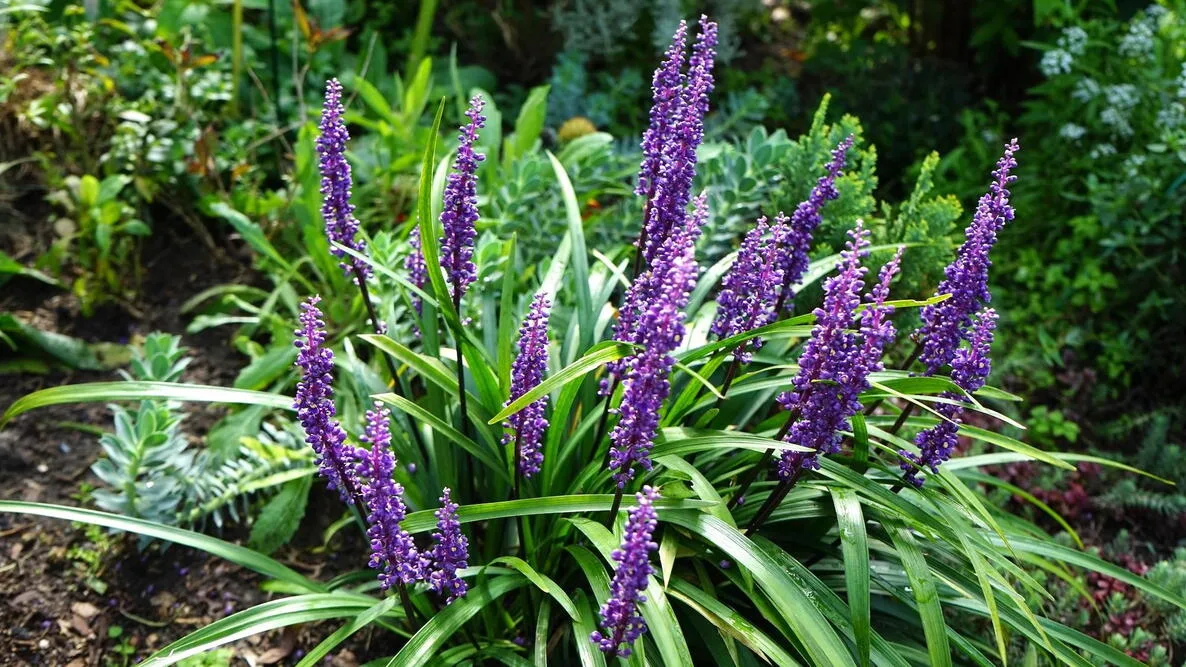
Need a groundcover that looks good without demanding attention? Learn how to grow liriope, also known as lilyturf—a tough, evergreen perennial that handles sun or shade, shrugs off pests, and keeps its tidy shape year-round.
With arching green leaves and spikes of purple or white flowers in late summer, liriope is an easy solution for edging beds, lining walkways, or covering tricky spots where other plants struggle.
Liriopes are also known as lilyturf. The name is pronounced la-rye-oh-pee or li-rye-oh-pee. While they may resemble an ornamental grass, liriopes are an evergreen perennial in the Asparagaceae, or asparagus family. Two main species are grown, Liriope spicata and Liriope muscari; however, L. spicata is listed as invasive in some states, so we’ll focus on the more popular L. muscari.
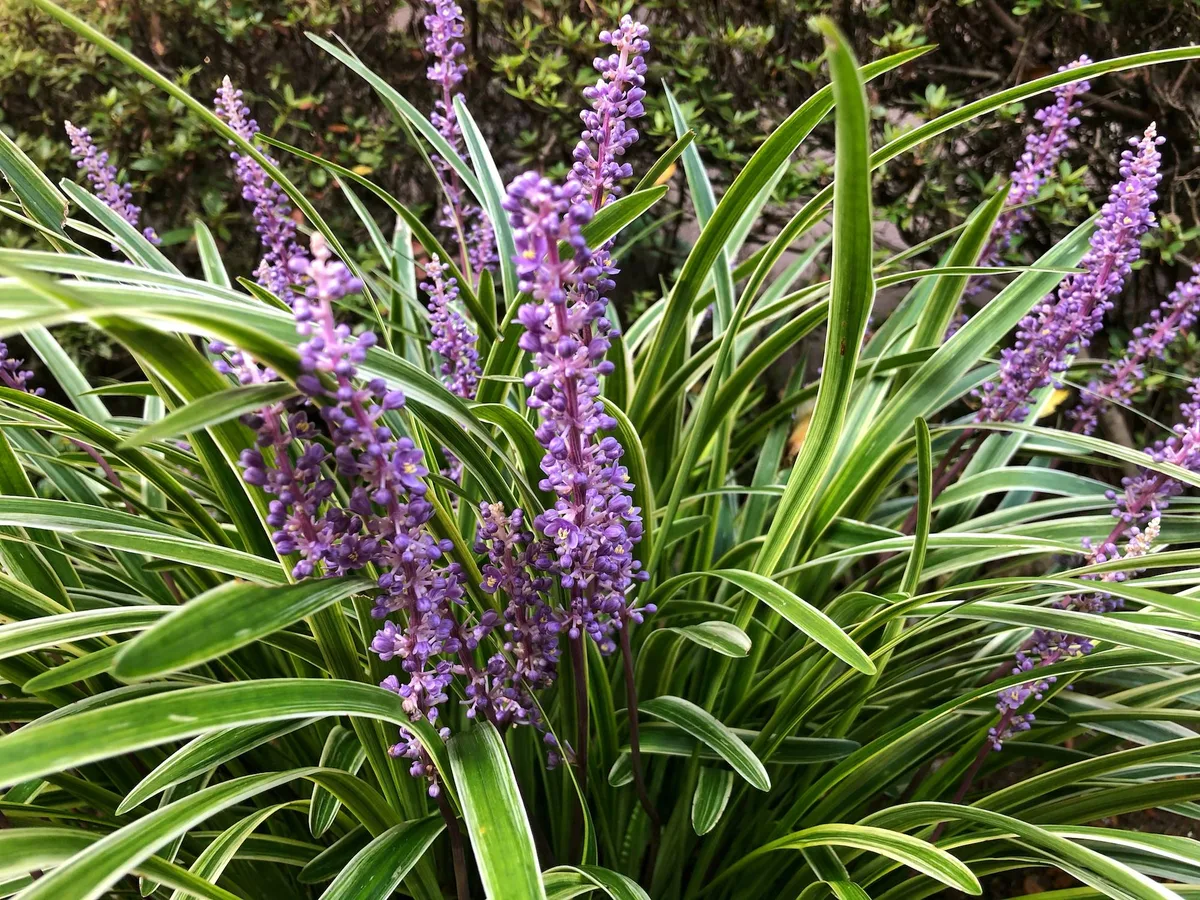
As perennials, lilyturfs are hardy in USDA Zones 4 to 10, depending on the cultivar. You can mow them in the spring, and they’ll grow back. These knee-high plants grow in mounds or clumps with slender, sword-like leaves arching from the base to form a fountain effect. The foliage is usually dark green, but many variegated green and white or cream colors have been bred and are easily found. Flowers appear in late summer to fall, with dozens of small violet or white flowers born on tall spikes called racemes.
Liriope’s shorter growth form and graceful arching leaves make it a great foliage plant for most of the growing season. It excels as a ground cover on slopes or challenging spots, an edging plant in a garden bed, lining a path, or at the edge of a rock garden. Plant it around your mailbox or anywhere else you don’t want to have to use a string trimmer on the grass.
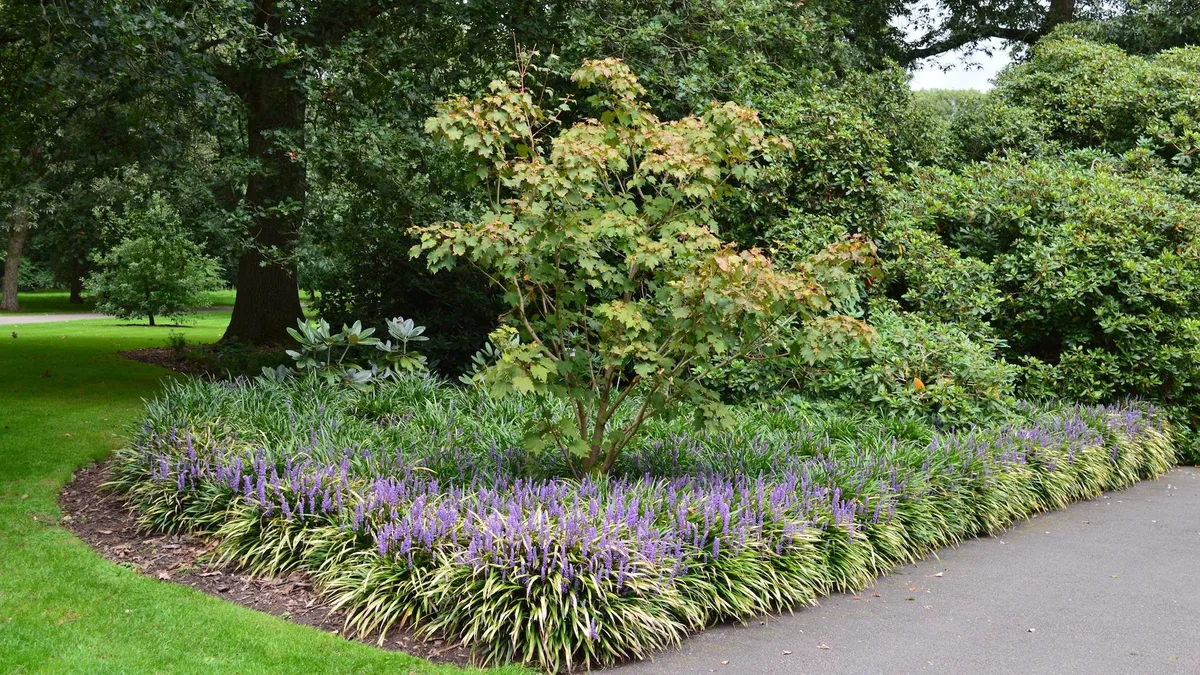
Liriopes look great planted en masse or in a bed with other sun- to partial shade-loving plants that need good drainage, like bleeding heart (Dicentra spectabilis), coneflowers (Echinacea), and Astilbes.
Liriopes are rather tough plants and rank medium on the scale of deer resistance. Once established, they tolerate dry conditions but will do much better with sufficient water.
Planting
Liriopes like full sun but will grow in dappled light and partial shade. They grow fine in average soil but also need a spot with good drainage. They do best if you add a good dose of organic matter to your soil.
When to Plant Liriope
Liriope plants are usually purchased from the garden center as small potted plants. They can be planted outside after the last spring frost, and, like many perennials, in warmer climates, they also do well when planted in mid-autumn. They’ll establish quickly if given moist conditions.
How to Plant Liriope
Liriope is quite easy to transplant. Pick a suitable spot and grab your hand trowel! While Liriopes are cold-hardy perennials, don’t forget to harden them off before planting and wait until the last frosts are over in spring.
- Prepare the site by working in a shovelful of good-quality compost.
- Squeeze the edges of the plastic nursery pot and gently work the plant free. If it seems stuck, try watering it and waiting for 20 minutes.
- Trim any circling roots and prepare a hole twice the size of the rootball.
- Set the plant in the hole so the soil level of the plant’s root ball matches that of the surrounding ground. Adjust as necessary by digging a bit deeper or filling in. Don’t leave a hard pan at the bottom of the hole. Loosen it up with your trowel.
- Replace the soil you removed, applying light pressure as you go to eliminate any air pockets around the roots.
Water deeply immediately after planting. - No fertilizer is immediately needed, but a layer of mulch will help to keep the weeds down and the soil moisture even.
Growing
Lilyturf belongs in the category of easy-to-grow plants. Once established, they don’t need much attention and will come back year after year.
How to Grow Liriope
Newly transplanted or divided lilyturf plants need frequent watering while they become established. Weekly waterings—or more often in dry conditions—will help them thrive while they settle in. After the first growing season, liriopes don’t usually need supplemental watering except during dry weather. If you are watering the rest of your garden, go ahead and water the liriopes. Otherwise, they’ll be fine on their own.
Liriopes like soil enriched with organic matter (compost) and will do well with an annual top dressing of compost. They can also be fertilized yearly in spring with a general-purpose slow-release fertilizer. Mulch will help to keep the soil moist, which they like, and keep weeds down between plants.
Spent flower spikes can be removed or left as winter interest. It’s common for the foliage to die back in late autumn, but leave any dead leaves until spring. They’ll serve as habitat for beneficial insects. In early spring, remove any dead foliage and stems.
How to Divide and Transplant Liriope
It is typically unnecessary to propagate liriope plants as they are aggressive growers. However, if they are getting crowded and spreading too aggressively, you may wish to divide and transplant. In the spring, lift the clump and brush off some of the soil. Tease the root ball to find natural dividing points and slice through with a sharp garden knife or trowel, keeping some of the crowns with each root section. Replant immediately and water well for the first year.
Pests and Problems
Liriope is not often bothered by pests or diseases but can suffer health issues in poorly drained soils.
- Anthracnose
- Crown rot
- Slugs—If you have slug problems, remove the mulch for a few sunny days or try some beer slug traps.
Frequently Asked Questions
Is liriope the same as monkey grass?
Yes, liriope is commonly called “monkey grass,” though the name is also used for other grass-like groundcovers. True liriope (Liriope muscari and Liriope spicata) is an evergreen perennial—not an ornamental grass.
Does liriope spread?
Liriope muscari grows in tidy clumps and spreads slowly, making it ideal for edging. Liriope spicata spreads more aggressively through underground runners and may be considered invasive in some regions.
Is liriope invasive?
Liriope spicata can be invasive in certain states because it spreads quickly. Liriope muscari is generally well-behaved and is the preferred choice for most gardens.
When should you cut back liriope?
Cut back liriope in late winter or early spring before new growth begins. Shearing off old foliage helps keep plants neat and encourages fresh growth.
Is liriope deer-resistant?
Liriope is considered moderately deer-resistant. While deer may nibble occasionally, they typically leave it alone.
Types
Check the botanical name on the tag if you intend to purchase the slower-spreading Liriope muscari and avoid the more aggressive Liriope spicata, which spreads by underground rhizomes. Both are likely to be labeled as lilyturf. A separate plant, Ophiopogon jaburan, also goes by the common name lilyturf.
- ‘Super Blue’ is one of the showiest of the group. Dark green foliage is topped in fall with spikes of purple-blue flowers. It generally reaches 15-18 inches tall and about 18 inches wide.
- ‘Gold Banded’ is a variegated variety with gold edging along the borders of the leaves. Tall racemes full of lilac-purple flowers add to the show, but this one is great as a foliage plant for the rest of the growing season.
- ‘Majestic’ has slightly wider leaves and shorter but more densely packed flowers. The plant is a little smaller and often reaches only a foot high.
Wit and Wisdom
- The botanical name Liriope muscari stems from a Greek woodland nymph named Liriope, and the species name muscari was inspired by the flowers resembling those of grape hyacinths (Muscari armeniacum).
- If the flowers are left intact, they may develop dark blueish-black berries that can last well into winter.
- Planting lilyturf close together forms an attractive ground cover with the added benefit of showy flowers in autumn. Dividing plants, as explained above, is an excellent way to fill in any bare spots.