
Planting and Growing Million Bells (Trailing Petunias)
Discover the beauty of Million Bells! Learn how to grow and care for this trailing plant with its abundance of colorful blooms. Perfect for hanging baskets and containers.
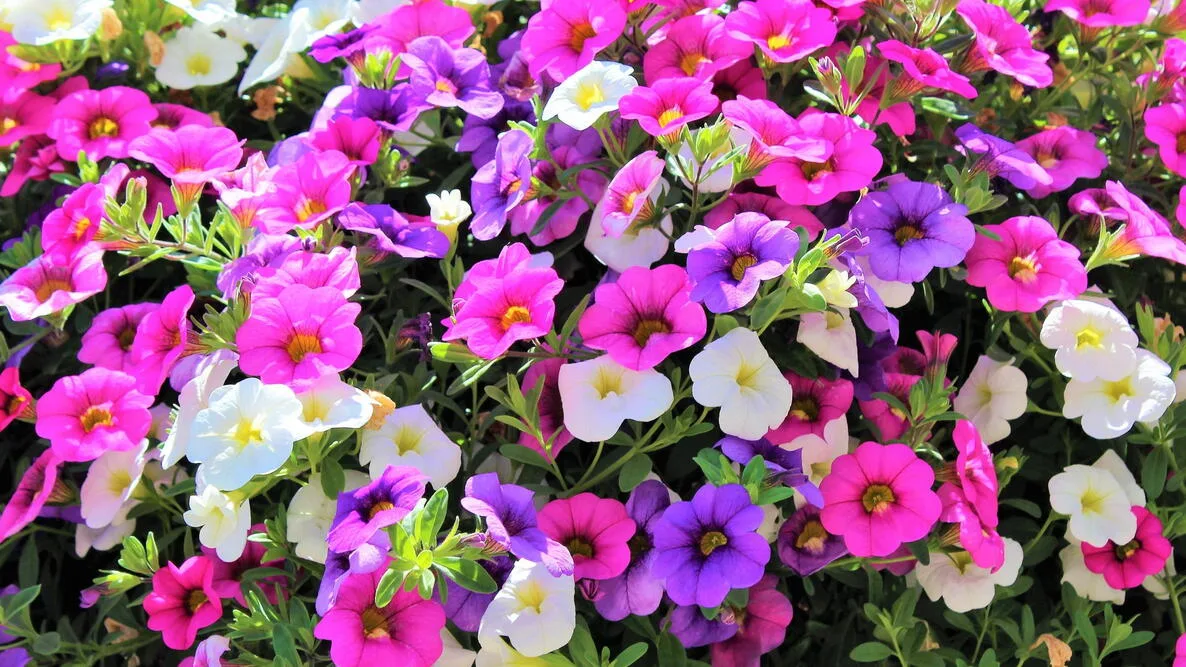
Million Bells, a vibrant and prolific flowering plant, is a popular choice for hanging baskets and containers. Known for its abundance of small, colorful blooms, this trailing beauty adds a splash of color to any outdoor space.
Learn how to grow Million Bells. With proper care, this plant will reward you with nonstop blooms throughout the growing season.
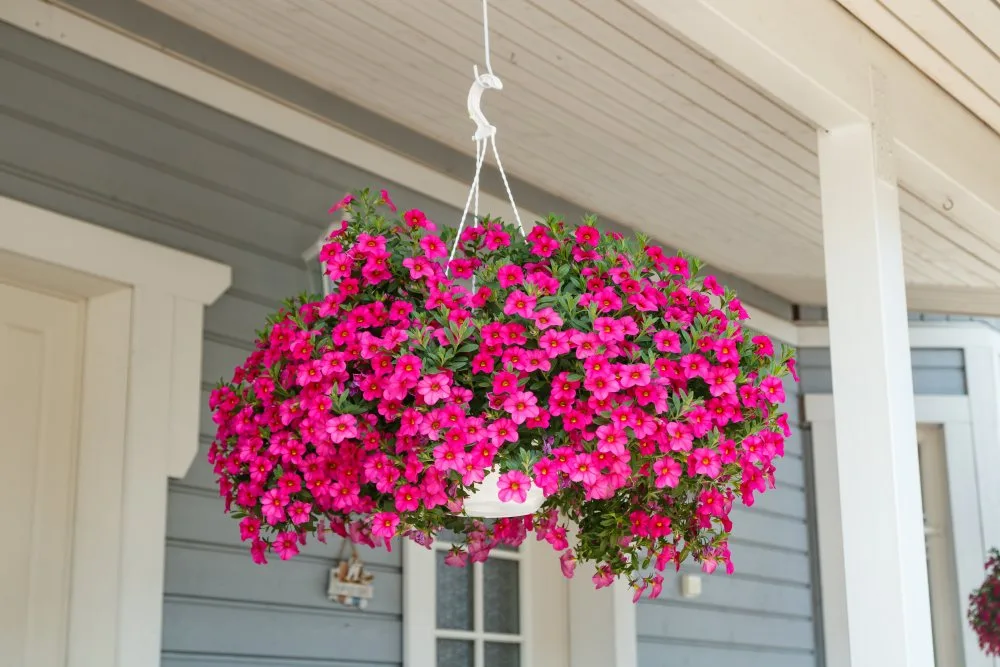
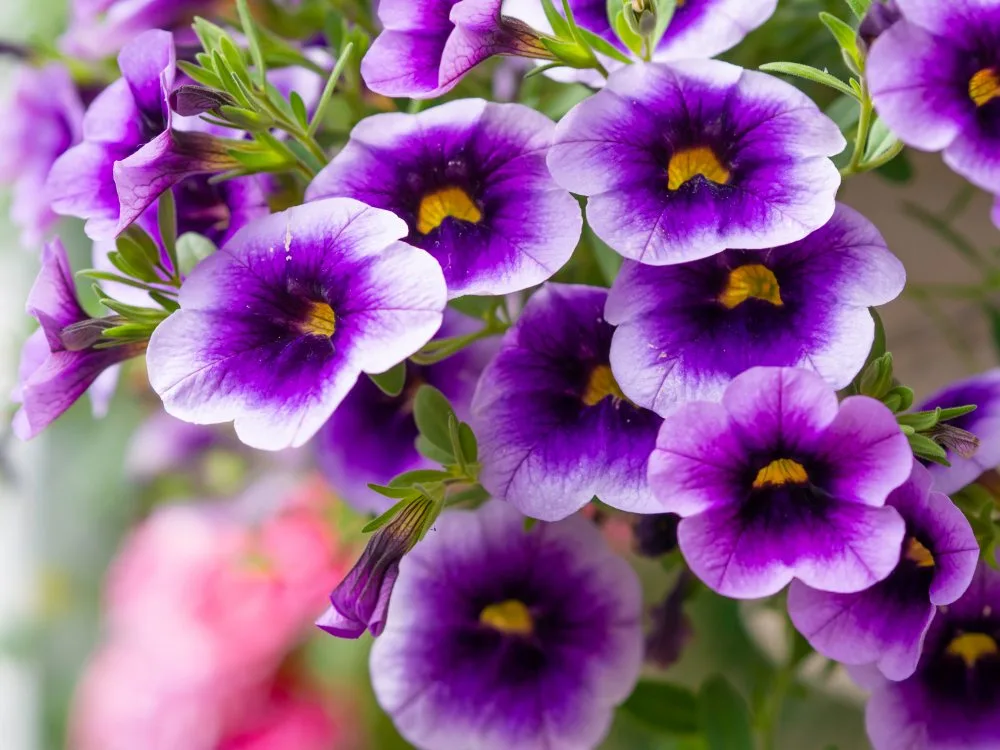
Commonly referred to by its trademarked name “Million Bells” and also sometimes known as “mini petunia” for its abundance of 1-inch-wide blooms and resemblance to that annual, trailing petunia belongs to the Calibrachoa—not Petunia—genus. If given the attention it needs, this plant will pour forth hundreds of colorful flowers on stems up to 30 inches long from spring to first frost. The colors of its blooms range from blue, bronze, magenta, pink, and red to violet, white, and yellow. The plant is well suited for hanging baskets and containers.
Million bells is a tender perennial that is winter-hardy in Zones 9 to 11 and treated as an annual elsewhere.
Planting
Million bells are hybrid plants that produce few to no seeds. Purchasing plants or growing cuttings vegetatively (from an existing plant, unless such propagation is prohibited by trademark law) is recommended. Take a 6-inch cutting that is flower-free and remove the leaves from the bottom half. Dip the cut end in rooting hormone and plant in potting mix. Provide bright light and warm temperatures (about 70°F) and keep the soil consistently moist; roots should develop in 2 to 4 weeks.
When planting purchased plants or transplanting cuttings, provide potting mix amended with compost and/or aged manure and peat moss (if desired). If using potting mix that does not contain fertilizer, add in a slow-release formula at the time of planting. A pH of from 5.0 to 6.5 is crucial: This plant will not thrive in soil with a pH that is outside this range.
Move outdoors when the threat of frost has passed.
Growing
Million bells require full sun (at least 6 hours per day); while they tolerate light shade, their production diminishes as shade increases.
Watering
Water regularly to keep the soil moist but not soggy. Trailing petunia is somewhat drought-tolerant but check it often in hot, dry weather by pushing a finger 1 inch into the soil: If it is dry, water enough to be damp to moist. Between waterings, allow the soil to dry out. Wilting can be a sign of root rot, caused by overwatering.
Fertilizing
Fertilize every 2 weeks with a balanced product.
Pruning
Pinch back tips to encourage branching and flowers. Deadheading is not necessary, as million bells cleans itself. In midseason, if desired, encourage new growth/rejuvenation by cutting back branches.
Pests and Problems
Diseases: black root rot, powdery mildew, viruses.
Pests: aphids, spider mites.
Types
Numerous collections and series of trademarked trailing petunias have been produced, including the ones listed below. When purchasing, always be sure that you have the “trailing” type.
- Calibrachoa Aloha Kona series ‘Pineapple’: yellow flowers
- C. Cabaret series ‘Good Night Kiss’: pink-purple flowers
- C. Cruze series ‘White Pink Eye’: white flowers with pink throats
- C. Kabloom series ‘Denim’: blue flowers
- C. MiniFamous Neo series ‘Vampire’: red flowers
- C. Superbells series ‘Lemon Slice’: white-and-yellow pinwheel flowers
Wit and Wisdom
- Million bells attracts butterflies and hummingbirds. See more flowers that hummingbirds love.
- Its foliage is naturally slightly sticky to the touch.