
Planting and Growing Green Onions (Scallions)
Learn how to grow green onions—also known as scallions or spring onions—in your garden or containers. Get fresh, flavorful harvests in as little as 8 weeks with tips from 原刊.
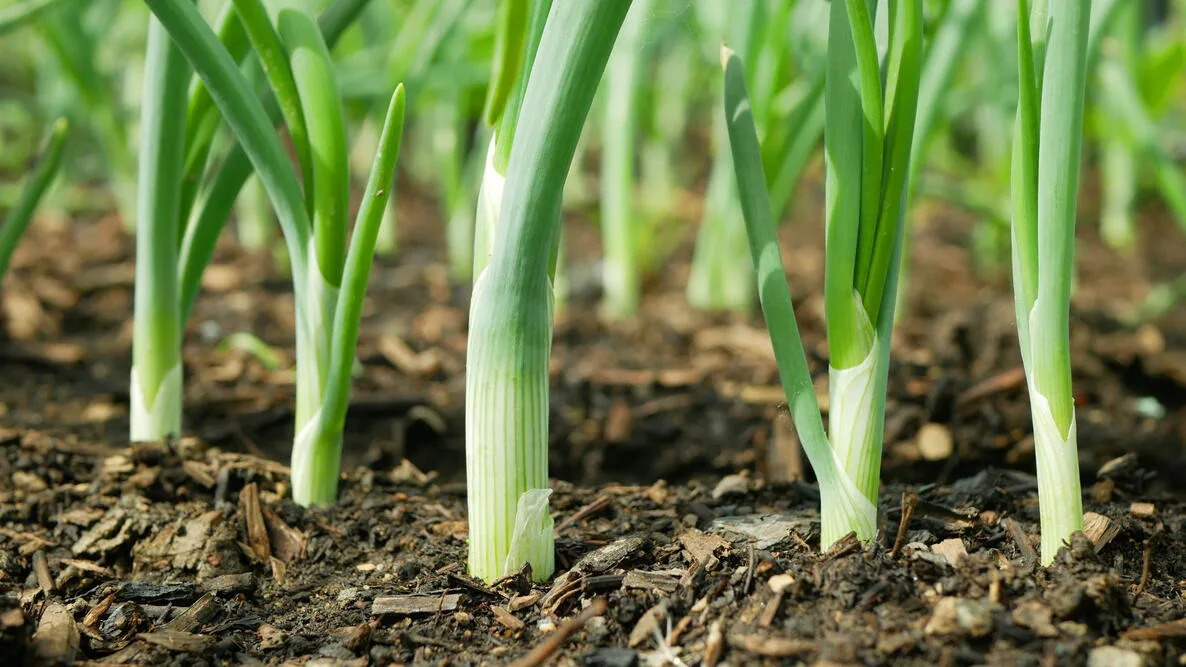
Need a garden win that’s quick and delicious? Green onions (aka scallions or spring onions) are your go-to! These speedy growers are the ultimate flavor boosters—toss them in salads, sprinkle them on tacos, or sauté them into stir-fries.
Best of all? You can harvest your first crisp, green stems in as little as 8 weeks. Whether you’ve got a backyard or just a pot on the patio, green onions are ready to grow when you are. Let’s get planting!
Planting
When to Plant Green Onions
Start sowing under cover in late winter, then continue outside in the spring. Sow short rows every 3 to 4 weeks to give a steady supply of oniony stems. Your last sowings, made at the very end of summer using a winter-hardy variety, will be ready to harvest early next season. Learn more about vegetables to plant in the late summer.
Sow seeds directly where they are to grow or into containers of potting soil to transplant later on.
Where to Plant Green Onions
Like their bulb-forming cousins, green onions prefer a sunny, open site and fertile, well-draining soil. For best results, grow them in soil that’s been improved with regular additions of well-rotted organic matter such as compost. Check out our guide to composting at home.
These tall, thin plants don’t take up much space, so they’re ideal for containers. Or be opportunistic and grow them between rows of slower-growing vegetables, such as parsnips until they need the extra space. Another option is to grow them with carrots, which may help to reduce problems with carrot rust flies.
Direct Sowing Green Onions
Direct sow seeds into finely-raked soil. Mark out a drill about half an inch (1 cm) deep. Use a string line if you prefer neat, straight rows. Additional rows should be spaced about 4 inches (10 cm) apart. If it’s hot and dry, water along the rows before sowing. This creates a cooler environment around the seeds, helping them to germinate.
Sow the seeds thinly along the rows, then pinch the drill closed to cover the seeds. Alternatively, backfill the rows with potting soil. This is useful if your soil isn’t as fine and crumbly as you’d like at sowing time, and also helps rows to stand out clearly from the surrounding soil for the purposes of weeding. Once you’re done, label the rows and water thoroughly.
Sowing in Plug Trays
Sowing into containers helps make the best use of your available space because you can start seedlings off while a growing crop still occupies the ground. By starting plants off under the protection of a greenhouse, tunnel, or cold frame, you’ll be able to start sowing up to 6 weeks sooner at the beginning of the growing season.
The easiest method is to use plug trays. Fill your plug trays with a general-purpose potting mix, then firm the mix down into the modules with your fingertips. Sow a pinch of four to eight seeds per module, then cover them with potting mix. Water and keep the potting soil moist as the seedlings appear and grow.
Transplant the clusters of seedlings as soon as they have filled their modules, and you can see roots at the drainage holes. Carefully ease the plugs from the tray, then plant them into prepared soil so each cluster is 2-4 inches (5-10 cm) apart within the row, with rows spaced at least 4 inches (10 cm) apart. Water the young plants to settle the soil around the root ball.
Growing
Direct-sown green onions shouldn’t need much thinning, but if there are any overly thick clusters of seedlings, remove some of the excess to leave about half an inch (1 cm) between plants.
Remove weeds as soon as they appear to prevent them from overwhelming your plants. As green onions are shallow-rooting, water in dry weather to speed growth and minimize the risk of plants bolting, or flowering prematurely.
Watch our video. Our college Ben demonstrates how to grow green onions from sowing to harvest.
Harvesting
Green onions are typically ready to enjoy 10 to 12 weeks after sowing, though at the height of the growing season, it can be as soon as 8 weeks. Harvest the largest plants first so that those left can continue to grow. This way, you can extend and maximize your harvest.
Store in the refrigerator or slice them up to pack into freezer bags or containers to add to recipes whenever you need a boost of fresh flavor.
Pests and Problems
As with most of the Allium family, green onions are rarely bothered by pests, but birds can sometimes peck at the emerging seedlings, particularly early on in the season. Cover sown areas and seedlings with row covers if this proves to be a problem.
Wit and Wisdom
- According to Marissa Schu of the University of Minnesota Extension, “Another type of green onion that home gardeners can enjoy is the Egyptian walking onion, sometimes called a “tree onion” (Allium cepa var. proliferum).”