
How to Grow Tarragon: A Guide to This Flavorful Herb
Learn how to grow flavorful Russian and French tarragon in your herb garden. Get tips for planting, care, companion planting, and using tarragon in cooking.
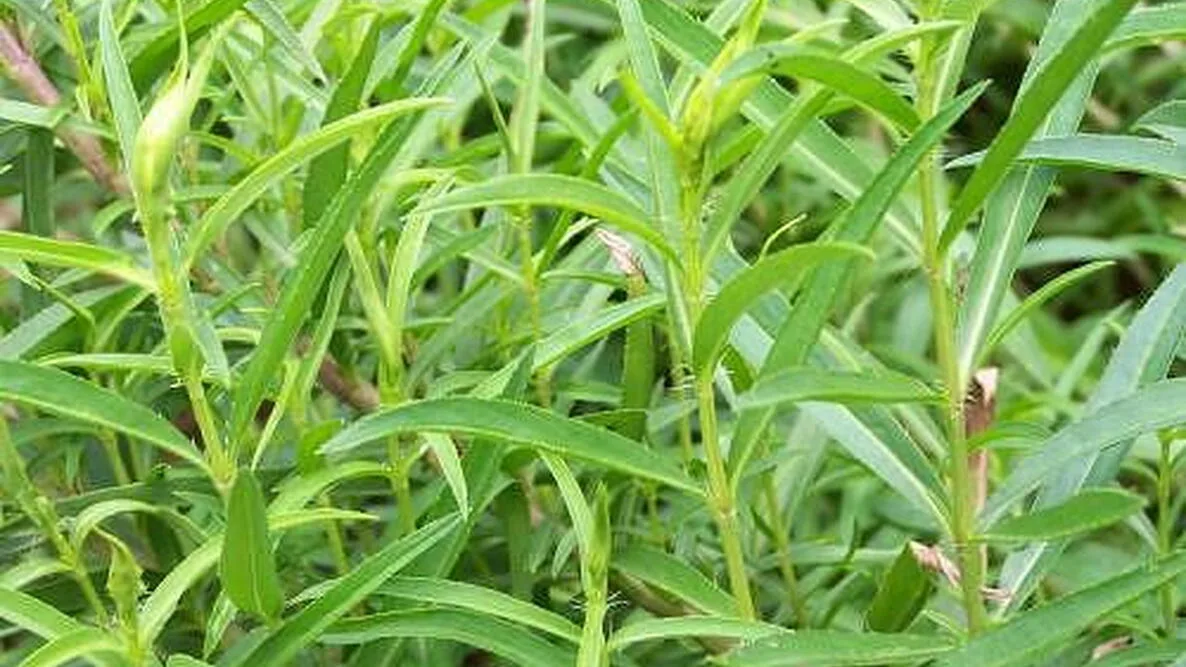
Looking to add a little French flair to your garden—and your dinner plate? Say “bonjour” to tarragon! This elegant herb, known for its subtle licorice-like flavor, is a culinary favorite and a charming addition to any herb patch.
Whether you’re dreaming of homemade Béarnaise sauce or just want to spice up your roasted chicken, growing your own tarragon is easier than you think. Let’s dig into the delightful world of tarragon—no passport required.
There are two main types of tarragon available: French tarragon (Artemisia dracunculus sativa) and Russian tarragon (Artemisia dracunculoides). French tarragon is the more prized variety, boasting the classic licorice flavor most associated with the herb. However, unlike its Russian counterpart, French tarragon doesn’t produce viable seeds and is typically propagated through division or cuttings. Russian tarragon, on the other hand, readily grows from seed and has a milder licorice taste.
For cooking, use French tarragon. Russian tarragon can easily be mistaken for French, but Russian tarragon is coarser and less flavorful than French tarragon.
Companion Planting Bonus: Consider planting tarragon near tomatoes, rosemary, or sage. These herbs are said to improve each other’s flavor. Learn more about companion planting.
Planting
While Russian tarragon can be easily started from seed indoors 6-8 weeks before the last frost, French tarragon is best propagated from divisions or cuttings obtained from a mature plant.
Where to Plant Tarragon
Select a sunny spot with well-drained soil. Tarragon thrives in drier conditions and won’t tolerate soggy roots. Tarragon isn’t fussy about soil but prefers slightly alkaline to neutral soil (pH 6.5-7.5). Amending your planting area with some compost is beneficial.
When to Plant Tarragon
If using divisions or cuttings, plant them in the spring after the last frost danger has passed. Space plants 24 inches apart. The plants should grow to around 2 or 3 feet in height.
For seeds, sow them indoors in pots filled with a seed-starting mix and transplant seedlings outdoors after hardening them off.
Growing
Tarragon is a relatively low-maintenance herb. To help keep your plants healthy, divide them every 3 to 4 years in the spring or fall. New plants can grow from stem cuttings or root cuttings.
Here are some basic tips for keeping your plant happy and thriving.
Watering Tarragon
Water regularly during the first growing season, especially during hot and dry spells. Once established, tarragon is drought tolerant and requires minimal watering.
Fertilizing Tarragon
Avoid overfertilizing, as this can diminish the flavor of the leaves. A light application of compost in the spring is sufficient.
Pruning Tarragon
Regularly harvest the leaves throughout the growing season to encourage bushier growth. Pinch off any flower buds that appear to maintain optimal flavor. Be sure to prune the plant regularly to prevent flowering and to keep the height to around 2 feet (otherwise, the plant will fall over).
Overwintering Tarragon
If you live in a colder climate, be sure to put mulch around the plants in late fall in order to protect the roots during the winter.
Harvesting
Feel free to harvest tarragon leaves throughout the growing season. The best flavor comes from young, tender leaves, so snip them just above a node (leaf joint) to encourage new growth.
Tarragon pairs beautifully with chicken, fish, egg dishes, and sauces. It’s also a wonderful addition to marinades and vinaigrettes.
Preserving Tarragon
To preserve your harvest, you can dry the leaves or freeze them for later use. If left to dry for too long, though, the leaves lose their flavor, so be careful. As soon as the leaves are dry, store them in airtight containers. Learn how to preserve herbs.
Pests and Problems
- Many rusts, including white rust
- Downy mildew
- Powdery mildew
- Various fungal leaf and stem diseases
Types
- French tarragon, which goes great with meats, poultry, and seafood
Wit and Wisdom
Put tarragon in your shoes before a long walk to give you strength.