



Planting and Growing geranium 'Ben Franklin'

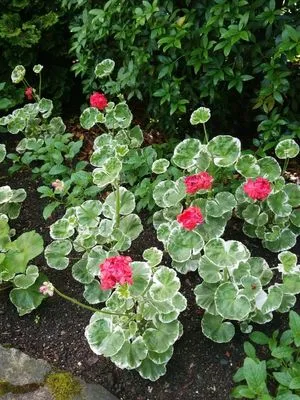
| Care difficulty | 2 / 5 |
|---|---|
| Watering schedule | Moderate regular watering, allowing brief slight drying between soakings |
| Sunlight requirements | Full sun · Partial shade |
| Ideal temperature | Information to be completed |
| Soil type | Loam · Sand |
| Soil pH | Acid · Alkaline · Neutral |
| Soil moisture | Well drained |
| Fertilizing | Balanced perennial feed every four weeks from spring through summer |
| Toxicity | Information to be completed |
How to Water geranium 'Ben Franklin'?
Moderate regular watering, allowing brief slight drying between soakings
Learn more →What Are the Sunlight Requirements for geranium 'Ben Franklin'?
Full sun · Partial shade
Learn more →What Soil Is Best for geranium 'Ben Franklin'?
- Soil type
- Loam · Sand
- Soil pH
- Acid · Alkaline · Neutral
What Are the Moisture Requirements for geranium 'Ben Franklin'?
Well drained
Learn more →How to Fertilize geranium 'Ben Franklin'?

Balanced perennial feed every four weeks from spring through summer
Learn more →How to Prune geranium 'Ben Franklin'?

Deadhead regularly
Learn more →How to Propagate geranium 'Ben Franklin'?

Take softwood cuttings in summer and overwinter plants in frost free conditions or take softwood cuttings in spring
Learn more →How to Plant geranium 'Ben Franklin'?
Grow in fertile well-drained soil in full sun or partial shade. Remove spent flowers. To overwinter, grow small plants in late summer from cuttings or cut back old plants by one third and lift for storage in frost-free place to repot in spring when growth resumes. See Pelargonium cultivation for further advice.
Learn more →Common Pests & Diseases

Diseases
Foot and root rots can be a problem in wet soils. Grey moulds are often troublesome in wet conditions. A virus can often be a problem where cultivars are maintained by cuttings. Pelargonium rust can be damaging to zonal pelargoniums and associated hybrids
Pests
vine weevil, leafhoppers, caterpillars, thrips, fungus gnats and aphids can be troublesome. aphids are generally more problematic on over-wintered plants
Explore the plant health library →